

Peligros de la carretera en invierno: Cómo Danica Patrick se anticipa a la tormenta
Se enseña a conducir en las frías carreteras del Medio Oeste Danica Patrick La importancia de prepararse para el invierno desde el principio. Aunque su carrera profesional como piloto ya es cosa del pasado, aún comprende cómo el frío afecta a los vehículos y conductores.
Con años de experiencia compitiendo en condiciones extremas, Danica comparte consejos prácticos Para ayudar a los conductores a prepararse a sí mismos y a sus vehículos para el invierno. Desde el rendimiento en climas fríos hasta el mantenimiento estacional, estos consejos están diseñados para... ayudar a los conductores a mantener la confianza y en control durante los viajes de invierno.
Carreras de invierno: Superando el desafío definitivo del cuidado del automóvil
Danica se ha encontrado con entornos hostiles a lo largo de su trayectoria compitiendo en la cima del automovilismo. Escenarios como este demuestran cómo la ya de por sí alta presión en las carreras se incrementa cuando el clima no es el ideal. Los mecánicos e ingenieros de carrera deben asegurarse de que el motor y los neumáticos estén en óptimas condiciones para... hacer frente a estas condiciones desafiantes. Un coche de carreras que no esté en sintonía con su entorno puede provocar decepciones o desastres.
Competir con frío, por ejemplo, magnifica todas las vulnerabilidades del piloto y la máquina. Exige una preparación exhaustiva y una técnica precisa, donde el margen de error desaparece.
Una superficie de pista resbaladiza causada por condiciones de hielo reduce el agarre de los neumáticos, dificulta la aceleración, afecta el frenado y dificulta el paso por curva. Cualquiera que haya... abordó un camino invernal Puede comprender esta dinámica, que se intensifica aún más a altas velocidades. Mientras tanto, los delicados motores corren el riesgo de sufrir daños si las bajas temperaturas impiden que el aceite lubrique adecuadamente los pistones y otros componentes internos. Al mismo tiempo, los neumáticos de caucho, formulados para flexionarse en condiciones de pista más cálidas, se endurecen, lo que dificulta la conducción.
Mantener el control a velocidades de carrera en condiciones de frío requiere planificación y preparación. Los pilotos comprenden perfectamente que no estar preparados para condiciones climáticas adversas conlleva resultados mediocres.
Preparación del exterior de su coche
Si bien los efectos más severos del invierno afectan el interior, también causan estragos en el exterior. La exposición prolongada a la nieve, hielo, La sal y la suciedad, comunes en climas fríos, pueden erosionar la pintura, el cromo y otros acabados. Pero, gracias a la obsesión del mundo de las carreras por la aerodinámica y las superficies de los vehículos, un conductor común puede proteger el exterior de su coche de los efectos nocivos de... invierno.
No se limite a lavar y olvidarse del exterior cuando llega el invierno. La limpieza y el encerado suaves y regulares crean una barrera protectora contra los daños estacionales. Esto proporciona una barrera defensiva contra la corrosión invernal. Presta especial atención a las superficies horizontales de la carrocería, como el capó, la tapa del maletero y el techo, donde la nieve o el hielo se acumulan en capas. Después del lavado, inspeccione cuidadosamente estas zonas para detectar cualquier signo de óxido o daño a tiempo y repárelos con pintura de retoque antes de que se desarrollen imperfecciones permanentes.
Para los lavados rutinarios de invierno, Danica sugiere utilizando limpiadores suaves Especialmente formulado para temperaturas más frías. Los desengrasantes fuertes pueden eliminar las capas protectoras de cera y ser más perjudiciales que beneficiosos. Al lavar a mano, repasar sección por sección con un prelavado, frotar suavemente y enjuagar bien para eliminar la suciedad sin dañar el acabado. Los lavados sin contacto desde el automóvil también son una alternativa eficaz para quienes no tienen personal de boxes disponible.
También es crucial tener buena visibilidad con mal tiempo, manteniendo las ventanas limpias por dentro y por fuera. La suciedad en el interior puede empeorar la niebla y la escarcha, lo que reduce la visibilidad cuando llueve. Danica sugiere limpiar el interior del parabrisas semanalmente en invierno. Esto ayuda a prevenir la niebla y la escarcha, especialmente si se empañan las ventanas al empezar a conducir en días fríos.
Buen estado escobillas limpiaparabrisas También van de la mano con la visibilidad máxima. Revise las escobillas limpiaparabrisas cada vez que llene el tanque o note marcas al usarlas. Instale escobillas nuevas según sea necesario para garantizar que la nieve y el hielo se retiren eficazmente.
Bajo el capó: cuidado del motor y la batería
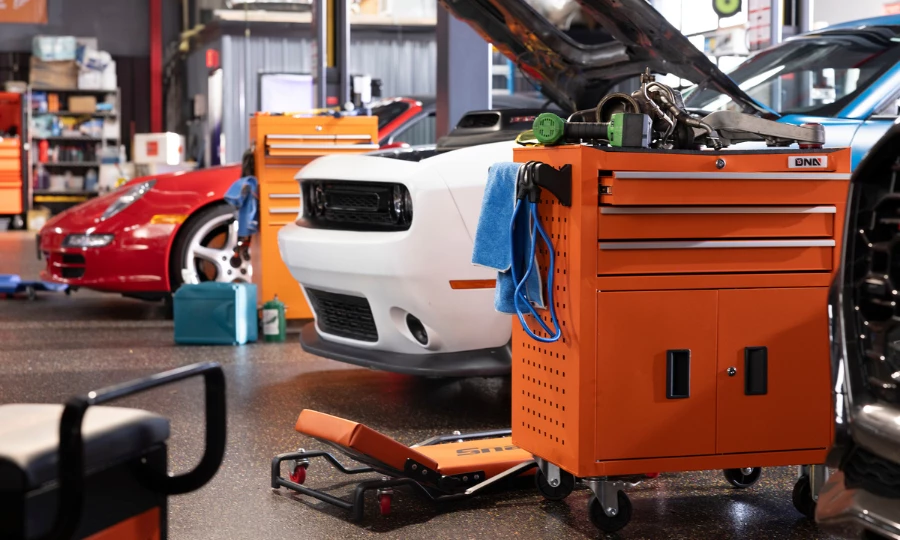 Exploremos bajo el capó, donde la furia del invierno puede provocar problemas en el motor y la batería. El frío intenso suele convertir pequeños problemas en graves. Pero adoptar una actitud proactiva y aprender de los maestros de la mecánica de las carreras puede prevenir o, al menos, minimizar muchos problemas.
Incluso en viajes cortos, las bajas temperaturas convierten el compartimento del motor en un entorno hostil. Los componentes móviles de un motor requieren unas tolerancias rigurosas y una lubricación abundante para evitar el desgaste prematuro y daños catastróficos. Por ejemplo, los aceites de motor convencionales pueden contener ceras que se solidifican en temperaturas extremas, lo que dificulta la rotación del cigüeñal e impide el arranque del vehículo.
Danica recomienda cambiar a un aceite totalmente sintético Para prevenir estas situaciones, esto debería resolver la mayoría de los problemas para los propietarios de automóviles que no experimentan inviernos extremos. Añade que si las cadenas y los neumáticos para nieve no forman parte de su vocabulario, entonces un aceite sintético de calidad que cumpla con los requisitos del fabricante es todo lo que necesita durante todo el año. Sin embargo, un aceite de menor viscosidad puede ser adecuado para quienes tienen que lidiar con los excesos del invierno. El manual del propietario o la guía de mantenimiento de su automóvil explicarán las mejores opciones de aceite para conducir en condiciones de frío extremo.
A batería de coche Puede experimentar una reducción de capacidad con la llegada del invierno. Además, una batería debilitada por el paso del tiempo es propensa a fallar, ya que el frío agota su resistencia restante. Al igual que los mecánicos de los equipos de carreras realizan pruebas de carga de la batería y controlan el voltaje, los propietarios de automóviles también deben vigilar la batería de su vehículo, aunque la tarea es mucho más sencilla. Las pruebas de batería deberían formar parte de... mantenimiento de rutina, Y ante la primera señal de dificultad para arrancar o luces tenues, para evitar quedarse varado en pleno invierno, reemplace la batería vieja.
Neumáticos y tracción: esenciales para las carreras y la seguridad vial
Los corredores profesionales experimentados citarán los neumáticos como el factor más crítico que influye tanto en el rendimiento como en la seguridad de cualquier vehículo, especialmente con mal tiempo. El diseño, el estado y el mantenimiento cobran importancia, ya que los neumáticos son los únicos puntos de contacto entre el vehículo y una carretera resbaladiza.
Mientras que Danica confiaba en neumáticos personalizados para autos de carreras y condiciones de pista específicas, los conductores habituales se enfrentan al mismo dilema de tracción en condiciones climáticas adversas, pero con un equipamiento más convencional. Una forma de obtener un mejor agarre en invierno es usar neumáticos diseñados específicamente para los rigores de... Conducción en invierno.
Ella recomienda este enfoque si vive con mucha nieve y hielo. Cuando las temperaturas exteriores caen constantemente por debajo de los 7 °C (45 °F), la rigidez y la composición del caucho de los neumáticos sin clasificación de invierno pierden rápidamente flexibilidad, lo que resulta en una mala adherencia.
Los neumáticos de invierno adecuados marcan la diferencia en condiciones de baja tracción. Su caucho y banda de rodadura especializados realmente destacan cuando bajan las temperaturas. Sin embargo, invertir en neumáticos optimizados para el invierno no debería ser una decisión de último momento. Investigar los mejores neumáticos para sus necesidades y presupuesto lleva tiempo, y apresurarse en la instalación puede resultar en un trabajo deficiente o incompleto.
Más allá del propio neumático, presión de llanta Es importante para la maniobrabilidad, especialmente cuando cambian las temperaturas. Los neumáticos inflados para clima cálido pueden hacer que el auto sea resbaladizo en carreteras frías. Revise y ajuste la presión regularmente a medida que bajan las temperaturas. Además, tenga en cuenta que los neumáticos desinflados perjudican la maniobrabilidad y pueden causar daños. Siga las recomendaciones del fabricante del automóvil. PSI Para el clima frío.
Técnicas de conducción segura en condiciones invernales
 Danica advierte que los neumáticos adecuados no son la mejor opción para conducir en invierno; aun así, es necesario conducir con cuidado. Una aceleración suave y delicada preserva el agarre, especialmente cuando la tracción no es óptima. Al encontrarse con superficies resbaladizas, maneje con cuidado para evitar derrapes hasta recuperar el control y evite movimientos bruscos del volante.
Además, deje un margen adicional para la distancia de frenado y los tiempos de reacción. Al detenerse en superficies con poca tracción, aplique una presión de frenado firme y constante sin bombear para permitir que... freno antibloqueo Sistema ABS para que funcione. A pesar de su trayectoria profesional, Danica sigue empleando estas técnicas para garantizar una conducción segura en carreteras con nieve y hielo. Conducir en invierno es una danza delicada, no una lucha libre.
Añade que los conductores inteligentes nunca salen a la carretera sin un kit de emergencia para el invierno. Quedarse atascado en una autopista o derrapar en una carretera remota es muy fácil. Como mínimo, necesitará guantes, una pala, un raspador de hielo, una linterna, un extintor, cables de arranque, suministros de primeros auxilios y señales de emergencia o bengalas. Agregar una manta, agua, refrigerios y una batería externa para el celular puede hacer que una situación difícil sea más cómoda.
Mantenimiento interior: garantizar la comodidad y la funcionalidad
Si bien el motor, los neumáticos y la técnica de conducción atraen a la mayoría de las Conducción en invierno Foco, mantener un coche cómodo y sin niebla también merece atención. Danica nos recuerda que una cabina helada afecta la energía y la atención del conductor.
Concentrarse en la carretera es difícil cuando las manos, las piernas y el cuerpo no están cómodos. Aquí tienes algunos consejos básicos para el invierno que todo conductor debería tener en cuenta:
- Eliminar la humedad: El aire frío tiene menos humedad, pero aun así trae humedad de los pasajeros y la ropa helada. Use un deshumidificador o paquetes de desecante para reducir la humedad que causa vaho y escarcha. Además, abra las ventanas entre las olas de frío para ventilar y secar el interior. Además, mantener las alfombras limpias y secas previene la formación de moho.
- Mantener un clima confortable: Aunque los asientos y volantes calefactables puedan parecer lujos, profesionales como Danica comprenden sus beneficios funcionales más allá de la comodidad básica. Mantener a los conductores más calientes mejora la atención y reduce la fatiga en viajes largos y fríos. El sistema de climatización también forma parte de este enfoque. Asegúrese de que los ajustes de temperatura (incluida la función de descongelación) estén en condiciones de funcionamiento antes de la primera advertencia de heladas.
- Compruebe si hay fugas: Repare inmediatamente cualquier fuga menor en el parabrisas o las juntas de las puertas para evitar la formación de hielo, que puede causar óxido y problemas estructurales. En días fríos, observe si las alfombras están mojadas o si el interior se empaña son señales de advertencia de fugas. Estar atento a estos problemas puede prevenir la acumulación de humedad y moho.
Inspecciones y controles estacionales
Una lección clave del automovilismo profesional es que el mantenimiento exhaustivo y la detección temprana de problemas marcan la diferencia. Los mejores equipos inspeccionan meticulosamente cada componente antes de una carrera para detectar problemas lo antes posible. Es importante inspeccionar cada pieza antes de salir a la pista. Detectar problemas a tiempo es fundamental. Se trata de ser proactivo.
Aunque los equipos de carreras cuentan con personal dedicado a revisar los sistemas críticos, los propietarios de automóviles comunes aún tienen acceso a ayuda profesional a través de un mecánico de confianza. Para una inspección invernal, solicite... Técnico certificado por ASE Revise su auto para detectar desgastes como llantas, correas y mangueras. En este punto, es importante verificar si es necesario reemplazar la batería y si alguna luz requiere atención. Una estrategia de mantenimiento proactiva también implica atender chirridos, traqueteos y otros ruidos inusuales que puedan indicar problemas futuros. En general, una mentalidad preventiva significa abordar los pequeños problemas antes de que se agraven.
Otro pilar de la propiedad proactiva del vehículo es seguir el programa de mantenimiento recomendado por el fabricante. Además del cambio de aceite y filtro, asegúrese de que todos los líquidos tengan el nivel adecuado y sean de buena calidad. Esto es especialmente importante con anticongelante; no sólo debe haber suficiente cantidad, sino que debe estar en óptimas condiciones (el anticongelante debe reemplazarse cada 3-5 años).
Conducir con confianza en el invierno
Leyenda de las carreras Las reflexiones de Danica Patrick Conducir en invierno y tener un auto en climas fríos puede ayudarte a afrontar la temporada con confianza. Al comprender técnicas efectivas al volante y estrategias clave para el cuidado del auto durante la temporada, estarás preparado para la llegada de la nieve y el hielo.
Otra forma de prepararse para los meses más fríos es agregar la protección de un Contrato de servicio del vehículo Endurance. Esta cobertura, también conocida como garantía extendida o plan de protección automotriz, protege contra averías y facturas de reparación imprevistas.
Endurance ofrece numerosas opciones, incluyendo cobertura principal para el sistema de propulsión o protección integral similar a la de una garantía de auto nuevo. Existen programas intermedios, incluyendo protecciones para ciertos modelos de lujo y vehículos comerciales.
Todo Endurance Los clientes se benefician de Asistencia en carretera 24 horas al día, 7 días a la semana (con cobertura de remolque y asistencia para abrir una puerta), reembolso por alquiler de vehículo y asistencia en caso de interrupción de viaje. Garantía de devolución de dinero de 30 días con condiciones de pago flexibles.
Obtenga más información sobre los planes Endurance solicitando una Presupuesto por correo electrónico GRATIS o visitando nuestro tienda en línea Para obtener recomendaciones de precios y planes, llame (800) 253-8203 para hablar con un representante de Endurance para obtener asistencia personalizada.
Revisar la Blog Endurance para artículos reveladores sobre el cuidado del automóvil, mantenimiento de bricolaje, revisiones de vehículos y más.









El blog Endurance está impulsado por un equipo de expertos en automociónProfesionales de atención al cliente y redactores del sector dedicados a ayudar a los conductores a tomar decisiones más inteligentes sobre la protección y propiedad de sus vehículos. Desde información sobre coberturas hasta consejos para el cuidado del vehículo, nuestro contenido está diseñado para informar y apoyar cada etapa de la experiencia del conductor. Para consultas de prensa, póngase en contacto con [email protected].