

¡Consigue esta oferta! Llama ahora.
Hable con un especialista en planes de protección de vehículos y obtenga $300 apagado cualquier nuevo contrato al instante.
Llamar 866-678-4172
o escanea el código a continuación

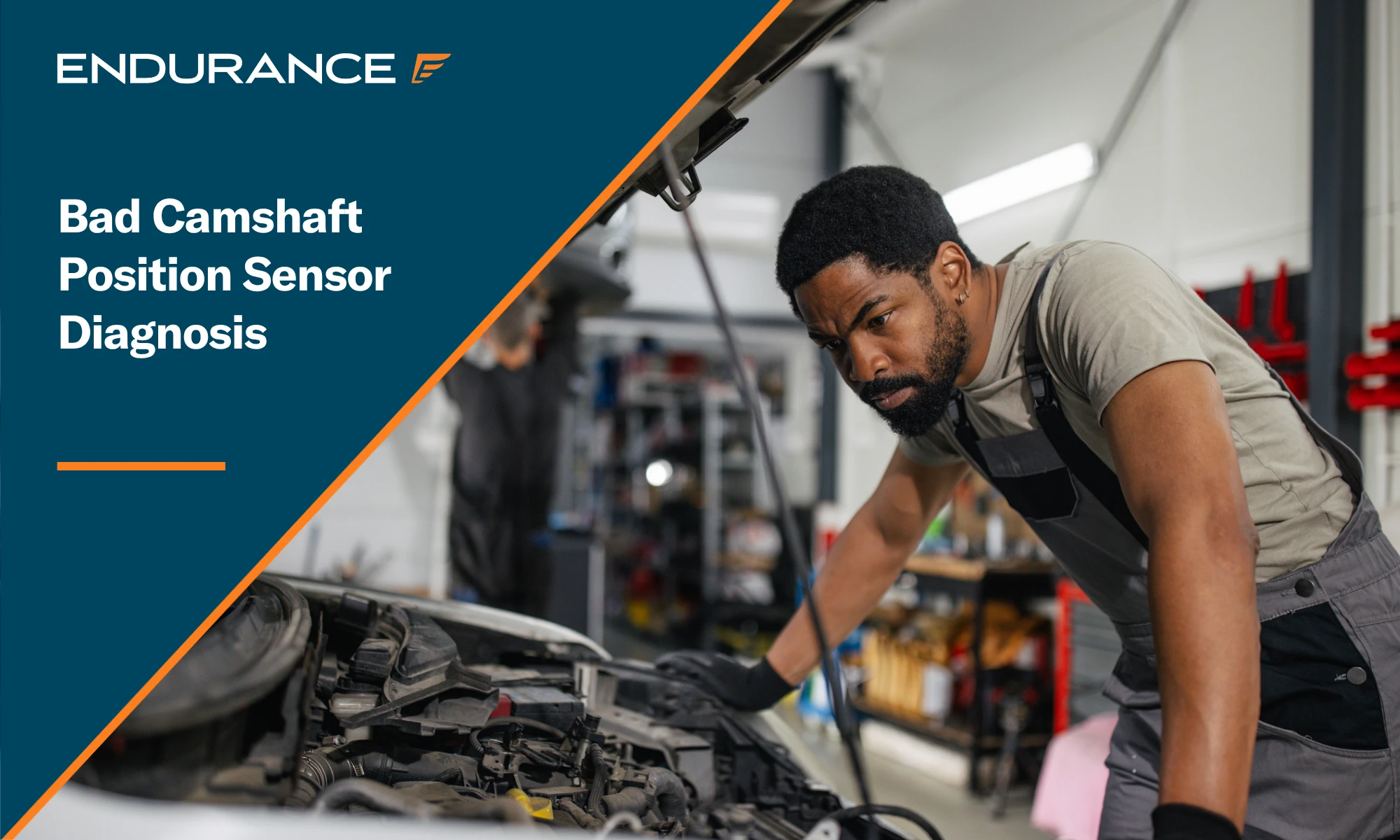
Un sensor de posición del árbol de levas defectuoso puede provocar otros problemas, como un mayor consumo de combustible, mayores emisiones, daños en el convertidor catalítico e incluso la imposibilidad de arrancar el motor. Como ocurre con la mayoría de los problemas relacionados con el motor del coche, lo mejor que puede hacer es reconocer que algo falla, diagnosticarlo con precisión y repararlo lo antes posible. Este es el procedimiento recomendado si desea evitar problemas en cadena. reparaciones más costosas en el futuro.
Cuando se trata de una falla en el sensor de posición del árbol de levas, el gran desafío radica en diagnosticar el problema con precisión, ya que muchos de los síntomas son los mismos que se observan en otros problemas.
A continuación, explicaremos exactamente qué hace el sensor de posición del árbol de levas, en qué se diferencia del sensor del cigüeñal y los síntomas que probablemente experimentará si de tu vehículo El sensor de posición del árbol de levas no funciona correctamente. ¿Qué otros problemas podrían producir los mismos síntomas? ¿Cómo obtener un diagnóstico preciso? ¿Qué pasos debo seguir?.
El sensor de posición del árbol de levas monitoriza su posición durante la rotación y envía los datos a la unidad de control electrónico (ECU) del vehículo. La ECU utiliza estos datos para gestionar el encendido, la inyección de combustible y la sincronización de las válvulas, garantizando así el funcionamiento eficiente del motor.
El árbol de levas trabaja conjuntamente con el cigüeñal. Ambos están conectados mediante la correa de distribución, la cadena de distribución o los engranajes, que mantienen sincronizadas las piezas móviles del motor.
El cigüeñal está conectado a los pistones y gira a medida que estos se mueven hacia arriba y hacia abajo durante la combustión. Esta rotación impulsa el árbol de levas a una velocidad precisa, de modo que las válvulas de admisión y escape del motor se abren y cierran en el momento exacto. Esto permite la entrada de aire y combustible al motor y la salida de los gases de escape.
Cuando la sincronización entre el árbol de levas y el cigüeñal no es correcta, el motor puede funcionar mal, presentar fallos de encendido, entrar en modo de emergencia o no arrancar en absoluto. El sensor del árbol de levas ayuda a la ECU a detectar fallos y a gestionar la sincronización con precisión.
Existen sensores que monitorizan tanto el árbol de levas como el cigüeñal. Sin embargo, cuando fallan, los síntomas que producen son similares, por lo que es importante comprender la diferencia para evitar reemplazar las piezas incorrectas.
Aunque los síntomas son similares si falla cualquiera de los dos (fallos de encendido del motor, calado, funcionamiento irregular, dificultad para arrancar), normalmente activan diferentes códigos de diagnóstico de averías:
Como puede verse, en este caso, omitir un diagnóstico exhaustivo es un error. Proceder con la reparación sin identificar correctamente el problema puede generar gastos innecesarios, y es probable que el problema persista.
Cuando el sensor de posición del árbol de levas no funciona correctamente, la ECU no recibe los datos precisos que necesita para gestionar de forma eficiente el encendido, la inyección de combustible y la distribución de las válvulas. Esto puede provocar diversos problemas de conducción y rendimiento del motor. Los síntomas típicos que se observan en este caso incluyen:
La intermitencia puede ser una pista importante para diagnosticar un mal funcionamiento del sensor del árbol de levas, ya que el sensor puede funcionar correctamente en frío, pero empezar a fallar una vez que se calienta.
Antes de gastar el dinero que tanto le ha costado ganar en reparaciones potencialmente innecesarias, revise la siguiente lista de verificación:
En la mayoría de los vehículos, el sensor de posición del árbol de levas es accesible y su reemplazo es un procedimiento relativamente sencillo que muchas personas pueden realizar sin problemas. El sensor de repuesto tiene un número de pieza que va desde $115 hasta $170. Reemplazarlo puede tomar tan solo 30 minutos, lo que le ahorrará mucho dinero en mano de obra del taller mecánico.
Si por alguna razón no te sientes cómodo reemplazando tú mismo el sensor de posición del árbol de levas, o si no es fácilmente accesible en tu automóvil, te enfrentarás a una factura de reparación de taller de alrededor de $220-$320.
Si experimenta alguno de estos síntomas y sospecha que tiene un sensor de posición del árbol de levas defectuoso, no debe ignorarlo ni hacer caso omiso.
Si no se soluciona, un sensor de posición del árbol de levas defectuoso puede provocar:
Como ocurre con la mayoría de los problemas automovilísticos, una pequeña reparación ahora puede convertirse fácilmente en algo mucho más complicado y acabar costándote mucho más si se descuida.
En muchos casos, cuando falla el sensor de posición del árbol de levas de su vehículo, tener un contrato de servicio del vehículo (VSC) La implementación de medidas similares puede reducir significativamente su responsabilidad.
Los planes de protección automotriz de gama media o superior pueden incluir cobertura para la gestión del motor y los componentes del sistema eléctrico, categoría en la que se incluye una falla en el sensor de posición del árbol de levas. Dado que esta falla puede ser más difícil de diagnosticar de lo habitual, le conviene un plan que incluya los costos de diagnóstico para las reparaciones cubiertas, no solo la pieza de repuesto y la mano de obra.
Por supuesto, la cobertura varía de un proveedor a otro, y es importante revisar los detalles de cada plan para ver Qué está cubierto y qué no..
En Endurance Warranty Services, Ofrecemos una variedad de planes de cobertura personalizables., Diseñado para ayudarte a elegir un nivel de cobertura que se ajuste a tu vehículo y a tu presupuesto.
Endurance fue incluido recientemente en Lista de USA Today de 2026 sobre las "Marcas más confiables". Aproveche nuestra garantía de devolución de dinero de 30 días y un año gratis de Beneficios de élite. Este paquete $2,000 incluye beneficios adicionales como cobertura de neumáticos, reparación de parabrisas, reemplazo de llaves con control remoto y más.
Para obtener una cobertura en la que pueda confiar, revise las recomendaciones de su plan y comience a comparar precios ahora en Nuestra tienda online. También puedes hablar con nuestro equipo sobre un Cotización Gratis al (800) 253-8203.
También puede encontrar mucha más información y recursos en nuestra Blog de garantía extendida.




Hemos recibido la información de su vehículo y nos comunicaremos con usted en breve con su cotización.
- O -
Comience a buscar un plan de cobertura ahora.


Estamos aquí para asegurarnos de que obtenga la protección EV más completa. Por eso nos hemos asociado con Xcelerate automático para ofrecerle una cobertura Tesla transparente y confiable.
¿Quiere que nos comuniquemos con usted acerca de la cobertura XCare para su Tesla?

Su protección es nuestra principal prioridad. Su cotización está en proceso y usted
recibirá un correo electrónico de confirmación en breve.

Hable con un especialista en planes de protección de vehículos y obtenga $300 de descuento en cualquier contrato nuevo al instante.
¡$300 de descuento + Beneficios Elite GRATIS durante 1 año!
Al hacer clic en el botón, acepta que Endurance utilice tecnología automatizada para llamarlo, enviarle un correo electrónico y enviarle mensajes de texto utilizando la información de contacto anterior, incluido su número de teléfono móvil, si se proporciona, con respecto a la protección del automóvil o, en California, el seguro contra averías mecánicas. También acepta el Endurance política de privacidad y Términos y condiciones. El consentimiento no es una condición de compra y puede retirar el consentimiento en cualquier momento. Se pueden aplicar tarifas por mensajes y datos.
Hable con un especialista en planes de protección de vehículos y obtenga $300 apagado cualquier nuevo contrato al instante.
Llamar 866-678-4172
o escanea el código a continuación

Simplemente complete la información a continuación y le daremos seguimiento rápidamente con su cotización gratuita y sin compromiso.
Al hacer clic en el botón, acepta que Endurance utilice tecnología automatizada para llamarlo, enviarle un correo electrónico y enviarle mensajes de texto utilizando la información de contacto anterior, incluido su número de teléfono móvil, si se proporciona, con respecto a la protección del automóvil o, en California, el seguro contra averías mecánicas. También acepta el Endurance política de privacidad y Términos y condiciones. El consentimiento no es una condición de compra y puede retirar el consentimiento en cualquier momento. Se pueden aplicar tarifas por mensajes y datos.

Para hablar con un especialista en planes de protección de vehículos y obtener $300 Cancelar cualquier nuevo contrato al instante
Escanee el código a continuación


Desde los 16 años, Keith ha estado inmerso en la industria automotriz, comenzando su carrera ayudando a su padre a reparar vehículos a una edad temprana. Keith ahora es dueño de su propio taller de reparación familiar certificado por ASE. A+ Cuidado del automóvilEn su tienda, se centra en construir relaciones de confianza con su comunidad a través de un servicio al cliente excepcional. Leer más Acerca de Keith.