

¡Consigue esta oferta! Llama ahora.
Hable con un especialista en planes de protección de vehículos y obtenga $300 apagado cualquier nuevo contrato al instante.
Llamar 866-678-4172
o escanea el código a continuación

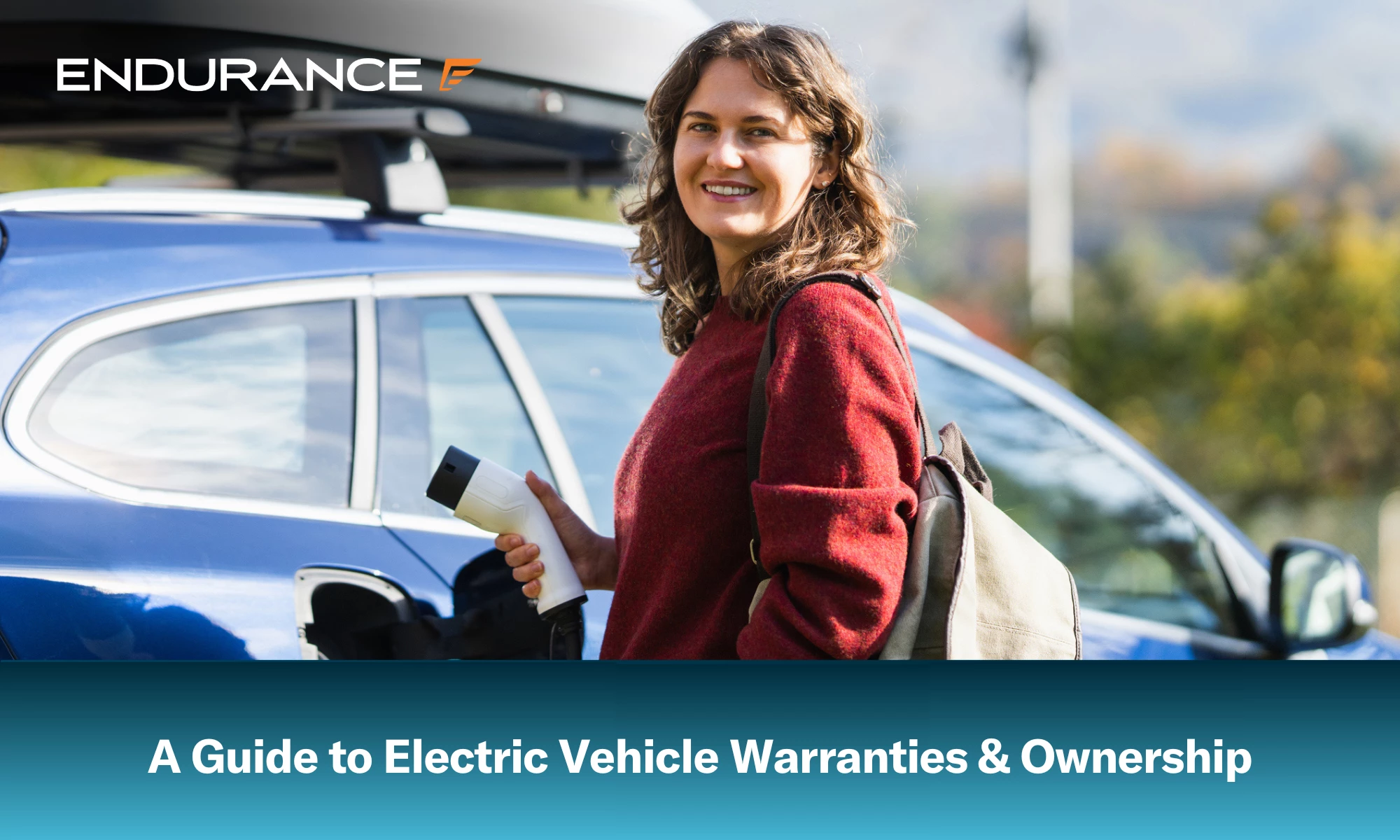
Los vehículos eléctricos ya no son una compra de nicho y, a medida que Propiedad de vehículos eléctricos A medida que crece la demanda, también lo hacen las expectativas en torno a la propiedad a largo plazo y la cobertura de la garantía. Los fabricantes están respondiendo con características de cobertura actualizadas, como garantías más largas para las baterías de vehículos eléctricos, acceso ampliado a datos para talleres de reparación independientes y cambios en la transferibilidad, todo lo cual está dando forma a lo que... La propiedad de un vehículo eléctrico se ve así en 2026.
Comprender cómo están evolucionando las garantías de los vehículos eléctricos, qué nuevas protecciones están disponibles y dónde la cobertura aún puede ser insuficiente puede ayudarlo a tomar una decisión más informada al realizar la transición de un motor de combustión interna tradicional a un sistema de propulsión eléctrico.
En la mayor parte, garantías para vehículos eléctricos se han establecido en un patrón predecible. El enfoque principal se ha centrado en la batería, incluyendo su capacidad y degradación, que son consideraciones importantes para cualquier propietario de un vehículo eléctrico. Si bien muchos fabricantes ofrecen... garantía de la batería Esto es válido para entre 160.000 y 240.000 kilómetros, y suele estar limitado a ocho años. Las garantías limitadas, al igual que las garantías del sistema de propulsión, son bastante cortas en comparación con esta cobertura de reemplazo de batería. Algunos fabricantes, como Tesla, ofrecen diferentes plazos de cobertura de batería y umbrales de rendimiento según el modelo y la configuración.
Otro cambio importante que se ha producido y continuará hasta 2026 es la distinción entre hardware y software. Generalmente, se considera que los vehículos eléctricos funcionan por software, lo que significa que los fabricantes tienen derecho a realizar cambios en los sistemas de software y de infoentretenimiento del vehículo que no alteren automáticamente la cobertura de la garantía. Al elegir un vehículo eléctrico, Asegúrese de tener esto en cuenta para poder encontrar un vehículo que se adapte a sus necesidades, independientemente de los cambios de rendimiento que se produzcan debido a las actualizaciones de software.
Los fabricantes de equipos originales han estado ofreciendo condiciones increíblemente generosas a los nuevos compradores de vehículos eléctricos desde principios de El auge de los vehículos eléctricos, pero estas se están reduciendo a medida que los coches se vuelven más populares. La cobertura de los sistemas auxiliares es una de estas áreas, ya que los diferentes componentes del sistema de carga tienen plazos de cobertura más cortos que el propio paquete de baterías. Esto se debe a que muchos fabricantes disponen de más datos a largo plazo para analizar, lo que les permite identificar dónde se originan generalmente las fallas del sistema.
Los vehículos eléctricos también pueden recopilar grandes bases de datos de información sobre el historial de carga del vehículo, mantenimiento, y uso. Esto significa que los propietarios deben ser muy cuidadosos y seguir correctamente las instrucciones del fabricante si no quieren anular la garantía de fábrica. Si bien esto siempre ha sido importante, el uso de la telemática y la monitorización permite recopilar datos de uso con mucha mayor precisión, lo que aumenta la responsabilidad del propietario del vehículo eléctrico.
En 2026, los avances en el derecho a reparación continuaron ampliando el acceso a los datos de diagnóstico para talleres independientes en algunas zonas. Durante muchos años, los concesionarios solían tener un acceso más amplio a ciertos datos de diagnóstico automotriz exclusivos, lo que limitaba las opciones de los propietarios a la hora de realizar una reparación.
Al acceder a estos datos, los propietarios de vehículos eléctricos tienen muchas más opciones para sus reparaciones. Sin embargo, es importante tener en cuenta que acceder y utilizar estos datos requiere mucha capacitación por parte del taller. Esto hace que... recibiendo reparaciones de una tienda de confianza, aún más importante que nunca.
La telemática también facilita enormemente el procesamiento de reclamaciones por parte de los proveedores de garantía. Si alguna vez ha participado en el proceso de reclamaciones, sabe lo lento que puede ser y cuánto tiempo puede tener que esperar para obtener una aprobación o denegación. Los datos telemáticos pueden utilizarse como parte del diagnóstico y el proceso de revisión de reclamaciones, según el caso. proveedor de garantía y términos contractuales. Dependiendo de dónde se encuentre en ese espectro, esto podría ser un cambio negativo o positivo. entrando en 2026.
Aunque las garantías de vehículos eléctricos son cada vez más completas y útiles, eso no significa que no tenga que pagar nada. Los deducibles, los gastos de diagnóstico y los componentes o exclusiones no cubiertos pueden acumularse, incluso si utiliza la garantía de su vehículo, lo que significa que aún tendrá que reservar dinero para repararlo.
Los propietarios también deben planificar los artículos que se desgastan tal como lo harían con un vehículo tradicional. Cosas como limpiaparabrisas, neumáticos, luces, pastillas de freno y otros componentes que no están cubiertos por la garantía deberán pagarse a medida que pasen los años, por lo que es importante estar preparado.
La preparación para tiempos de inactividad también es fundamental para los propietarios de vehículos eléctricos. Debido a la alta tecnología de los componentes de un vehículo eléctrico de alto voltaje, el taller podría tardar más en conseguir las piezas de repuesto. Esto significa que necesitará reservar dinero para el transporte, como un coche de alquiler, para no quedarse varado sin posibilidad de desplazarse.
Si no está satisfecho con la cobertura de fábrica que recibió del fabricante de su vehículo eléctrico o desea continuar con la cobertura después de la garantía del fabricante Una vez finalizado el período, una garantía extendida o un contrato de servicio del vehículo con un proveedor externo es una buena opción a considerar. Endurance ofrece una amplia gama de planes Para todo tipo de vehículos, incluyendo cobertura completa para modelos Tesla y sus baterías. Esto puede ayudarte a mantener tu vehículo eléctrico en buen estado, incluso si la garantía de fábrica no cubre lo suficiente.
Además de una excelente cobertura y tranquilidad, los clientes de Endurance también tienen acceso a extras que pueden ayudarles a ahorrar dinero cuando llegue el momento de llevar su vehículo eléctrico al taller. Los beneficios estándar incluyen cosas como Asistencia en carretera 24 horas al día, 7 días a la semana, protección contra interrupciones de viaje, y reembolso de alquiler de coche. Además, los clientes también pueden obtener Endurance Beneficios de élite, que ofrecen reparación de neumáticos o reemplazo, Reemplazo de llavero, y cobertura de parabrisas.*
Cuando esté listo para proteger su vehículo eléctrico, ya sea nuevo o usado, Endurance ofrece opciones de cobertura para modelos selectos, incluyendo vehículos Tesla con cobertura de batería. También está disponible la cobertura para vehículos híbridos, aunque las baterías híbridas no están incluidas.
Endurance también ofrece planes de protección para automóviles Para gasolina, desde vehículos antiguos con alto kilometraje hasta autos exóticos y de lujo de alta gama. Además, cubrimos incluso vehículos que otros proveedores no cubren, como autos del mercado gris canadiense, vehículos con título reconstruido o de salvamento, y autos usados para fines comerciales, como viajes compartidos y entregas.
Si desea mantener su automóvil eléctrico funcionando sin problemas y reducir el costo de propiedad del vehículo, comuníquese con nuestro equipo en (800) 253-8203 para Cotización Gratis. Tú también puedes tienda en linea para obtener una vista previa instantánea del precio para que pueda tomar la decisión correcta para sus necesidades.
Para obtener más recursos de expertos en automóviles, asegúrese de consultar nuestra Guías de vehículos, donde puede encontrar consejos de propiedad para fabricantes de automóviles de gasolina y vehículos eléctricos como hyundai, kia, Vado, y mucho más.


Hemos recibido la información de su vehículo y nos comunicaremos con usted en breve con su cotización.
- O -
Comience a buscar un plan de cobertura ahora.


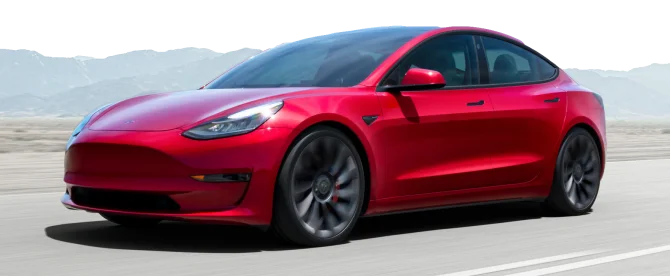
Estamos aquí para asegurarnos de que obtenga la protección EV más completa. Por eso nos hemos asociado con Xcelerate automático para ofrecerle una cobertura Tesla transparente y confiable.
¿Quiere que nos comuniquemos con usted acerca de la cobertura XCare para su Tesla?

Su protección es nuestra principal prioridad. Su cotización está en proceso y usted
recibirá un correo electrónico de confirmación en breve.

Hable con un especialista en planes de protección de vehículos y obtenga $300 de descuento en cualquier contrato nuevo al instante.
¡$300 de descuento + Beneficios Elite GRATIS durante 1 año!
Al hacer clic en el botón, acepta que Endurance utilice tecnología automatizada para llamarlo, enviarle un correo electrónico y enviarle mensajes de texto utilizando la información de contacto anterior, incluido su número de teléfono móvil, si se proporciona, con respecto a la protección del automóvil o, en California, el seguro contra averías mecánicas. También acepta el Endurance política de privacidad y Términos y condiciones. El consentimiento no es una condición de compra y puede retirar el consentimiento en cualquier momento. Se pueden aplicar tarifas por mensajes y datos.
Hable con un especialista en planes de protección de vehículos y obtenga $300 apagado cualquier nuevo contrato al instante.
Llamar 866-678-4172
o escanea el código a continuación

Simplemente complete la información a continuación y le daremos seguimiento rápidamente con su cotización gratuita y sin compromiso.
Al hacer clic en el botón, acepta que Endurance utilice tecnología automatizada para llamarlo, enviarle un correo electrónico y enviarle mensajes de texto utilizando la información de contacto anterior, incluido su número de teléfono móvil, si se proporciona, con respecto a la protección del automóvil o, en California, el seguro contra averías mecánicas. También acepta el Endurance política de privacidad y Términos y condiciones. El consentimiento no es una condición de compra y puede retirar el consentimiento en cualquier momento. Se pueden aplicar tarifas por mensajes y datos.

Para hablar con un especialista en planes de protección de vehículos y obtener $300 Cancelar cualquier nuevo contrato al instante
Escanee el código a continuación


Después de más de 16 años como técnico y asesor de servicio, Adam Karner hizo la transición a la industria de la protección de automóviles en 2009. Como gerente de productos de Endurance Dealer Services, aporta una valiosa experiencia práctica. Leer más sobre Adán.