

Riesgos de la garantía del coche en invierno: Qué hay que saber cuando llega el frío
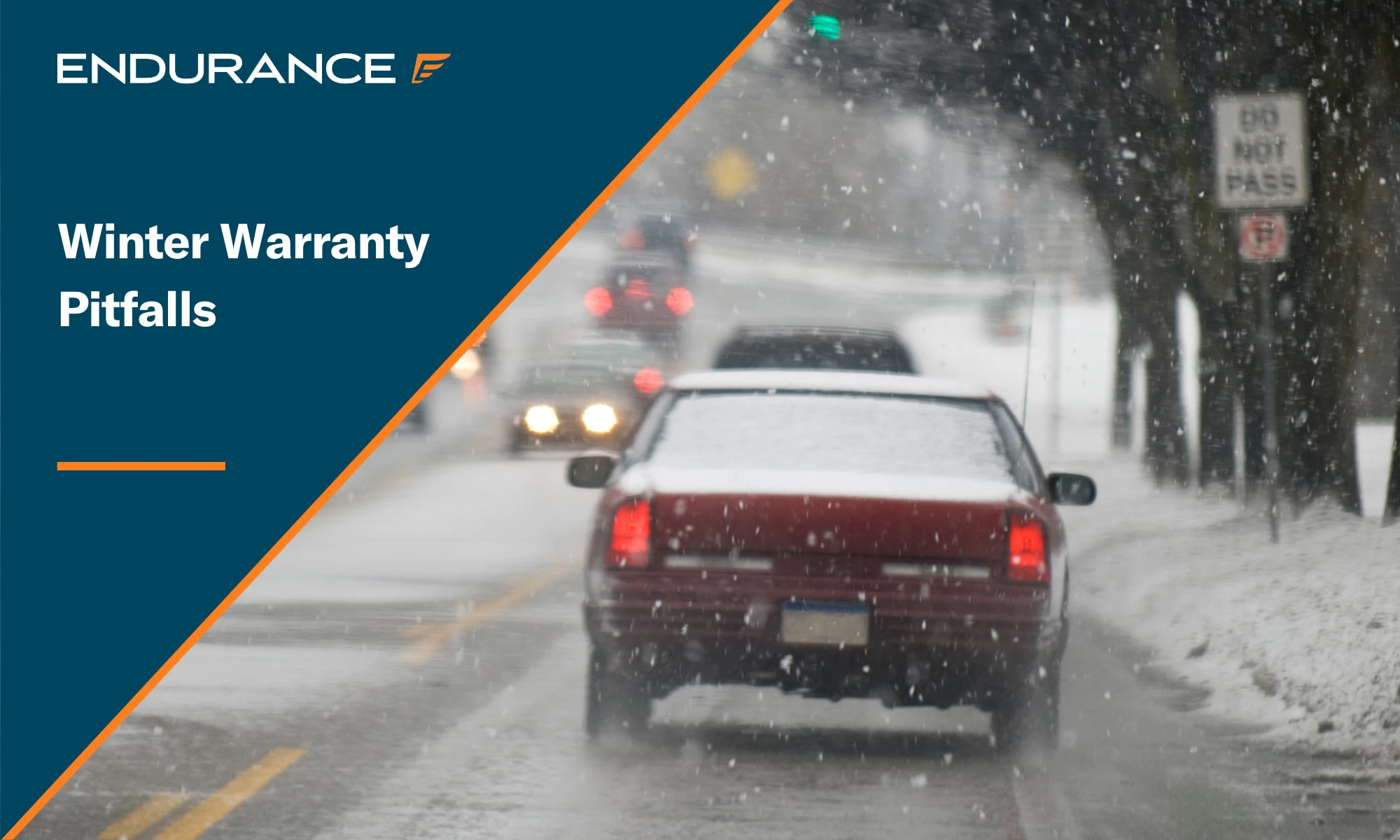
El clima invernal puede dejar al descubierto huecos en su garantía del coche. Las bajas temperaturas sobrecargan las baterías, espesan los fluidos y tensionan los componentes mecánicos, lo que aumenta el riesgo de averías, al igual que muchas garantías aplican exclusiones. Mientras que... contrato de servicio de vehiculo (también llamada garantía extendida) puede ayudar a cubrir ciertas fallas mecánicas. Muchos planes excluyen problemas relacionados con el invierno, como corrosión, componentes congelados, daños ambientales y desgaste normal. Estas exclusiones suelen sorprender a los conductores durante los meses más fríos.
Conocer la cobertura de su garantía, las reparaciones invernales que podrían estar excluidas y cómo las condiciones estacionales afectan las reclamaciones puede ayudarle a evitar la denegación de cobertura y costos de reparación inesperados. Esta guía explica los problemas comunes de la garantía invernal, cómo verificar su cobertura y cuándo conviene ajustar su plan. Cuando el frío golpea.
Reparaciones comunes de invierno que podrían no estar cubiertas
Especialmente si tú conducir un vehículo antiguo, El invierno puede agravar mucho los problemas existentes, por lo que muchas averías tienden a ocurrir durante los primeros períodos de frío prolongado. La batería de su automóvil podría Aunque parezca que todo va bien en octubre, las gélidas temperaturas de enero podrían ser suficientes para provocar una avería. Las correas ligeramente desgastadas pueden romperse de la noche a la mañana cuando la goma se endurece con el frío gélido. Los problemas de batería y eléctricos son las principales averías en climas fríos, seguidos de la congelación de los sistemas de refrigeración y las mangueras agrietadas.
Aunque estas fallas pueden parecer repentinas para los conductores, los proveedores de garantía suelen evaluar si la falla se debió a un desgaste gradual o a un defecto cubierto, lo que significa que podrían no calificar según los términos de su cobertura. De igual manera, si la corrosión causada por la sal de la carretera daña la suspensión, esto generalmente se excluye como daño ambiental o relacionado con la corrosión, según los términos del contrato.
Como es de esperar, los sistemas de calefacción y descongelación se usan más durante los meses de invierno y pueden tener dificultades para mantener el rendimiento. Si se quema el motor del ventilador o el núcleo del calefactor presenta fugas, las reparaciones podrían estar cubiertas si la falla cumple con la definición de avería mecánica cubierta en su contrato. Tener respiraderos obstruidos por polvo, no mantener el nivel de refrigerante o una manguera con fugas que no se reparó a tiempo pueden repercutir la responsabilidad en el propietario. Esto también aplica a los problemas de fluidos: el aceite de motor o el líquido de transmisión espesos pueden sobrecargar el sistema, pero si no se siguieron los programas de mantenimiento del vehículo al pie de la letra, la cobertura podría ser denegada según los términos del contrato.
Condiciones de la carretera en invierno añadir peligros adicionales. Los baches, el hielo y la sal de la carretera deterioran las llantas de invierno, los amortiguadores y las líneas de freno. Desafortunadamente, los daños por peligros en la carretera y la oxidación son exclusiones comunes de la garantía, al igual que los problemas de alineación o balanceo de las ruedas causados por baches en la carretera.
Para colmo, incluso cuando se rompe un componente cubierto, el clima invernal puede ralentizar todo. Los talleres mecánicos están más concurridos y las piezas pueden tardar más en llegar, dejándote fuera de servicio más tiempo del esperado.
Comprensión de las exclusiones estacionales en los contratos
No hay dos planes de garantía extendida de auto ni de protección de vehículos exactamente iguales, y la cobertura del suyo dependerá del proveedor y del nivel de cobertura. La mayoría de los contratos de servicio incluyen exclusiones que cobran especial relevancia. durante las condiciones invernales, lo cual es importante cuando las bajas temperaturas descienden aún más. En particular, la mayoría de los contratos lo protegerán contra defectos de materiales o mano de obra, pero no contra daños ambientales ni desgaste normal. Las exclusiones por desgaste son las partes más incomprendidas de la cobertura de la garantía, que, por supuesto, se multiplican durante el invierno.
El frío extremo puede sobrecargar las piezas del automóvil, pero ese tipo de estrés podría no cumplir con la definición contractual de defecto cubierto. Si una línea de refrigerante se congela debido a una mezcla de anticongelante débil, se considera una falla de mantenimiento. Si la sal causa óxido, se trata de daños por corrosión. Es normal que los planes también excluyan problemas preexistentes, por lo que si una pequeña fuga ya existía antes del invierno y empeoró después de que los fluidos se congelaran, lo más probable es que se deniegue la cobertura.
Algunos contratos también tienen condiciones con plazos determinados que pueden sorprender a los propietarios. Puede ser necesario informar los problemas con prontitud y abstenerse de conducir mientras esté funcionando mal. En invierno, cuando talleres de reparación de automóviles Si tiene una gran cantidad de clientes, este tipo de reglas pueden ser importantes. Otra exclusión común son los fenómenos naturales, como tormentas de nieve, acumulación de hielo o inundaciones. Estos eventos suelen estar excluidos de la cobertura por avería mecánica y, en su lugar, pueden estar cubiertos por las pólizas de seguro de automóvil.
Si bien los planes de protección de automóviles Endurance no son inusuales en sus excepciones, sí incluyen muchos beneficios estándar que pueden ayuda con las dificultades del invierno, incluso si no se cubre la causa raíz. Asistencia en carretera, La interrupción del viaje y el reembolso del alquiler del vehículo son parte de cada contrato Endurance, que lo llevan al taller y nuevamente a la carretera, sin importar el clima.
Cómo comprobar la cobertura cuando bajan las temperaturas
Antes de que llegue el invierno, vale la pena dedicar un par de horas a revisar la cobertura de su garantía. Simplemente busque los documentos de garantía o inicie sesión en su cuenta en línea y confirme exactamente qué componentes están protegidos. Preste especial atención a las secciones sobre exclusiones, requisitos de mantenimiento y limitaciones ambientales.
A continuación, revise el historial de mantenimiento de su vehículo. Las compañías de garantías extendidas le exigirán que siga el programa de mantenimiento recomendado por el fabricante, de acuerdo con los requisitos de mantenimiento indicados en el manual del propietario. Si el cambio de aceite o la purga del refrigerante no se realizó a tiempo, o si la batería tiene varios años, es el momento de solucionarlo. Tener recibos y notas de inspección recientes puede facilitar la revisión de reclamaciones y demostrar que ha cuidado bien su vehículo.
Asegúrate de contar también con algún tipo de protección en carretera, ya que puede ser un salvavidas, especialmente durante el invierno. Los mejores proveedores de garantías incluyen algún tipo de protección en carretera con tu plan, pero la cobertura puede variar según la distancia o las condiciones. Además, confirma que tu proveedor ofrezca servicios de preparación para el invierno, como remolque en carreteras heladas., entrega de combustible, arranques auxiliares o ayuda para bloqueos.
Cuándo contactar a su proveedor para ajustar la cobertura
El invierno también es el mejor momento para reevaluar tu plan y hacer los cambios necesarios. Si has revisado tu contrato y te parece que te sobra, podría valer la pena revisar las opciones de cobertura antes del pico del invierno.
Los conductores del norte del país deberían preguntar sobre la cobertura opcional para sellos, juntas y piezas de la suspensión, ya que estos componentes suelen fallar debido a la contracción y expansión en climas fríos. También conviene verificar que su deducible se ajuste a sus necesidades. Un deducible de $200 puede resultar adecuado en verano, pero cuando se acumulan varias reparaciones en invierno, un deducible más bajo podría ahorrarle más.
La comunicación es fundamental. Los proveedores valoran que los clientes proactivos se comuniquen antes de que surjan problemas. Al llamar, mencione cualquier mantenimiento reciente, cambios de kilometraje o mudanzas regionales que puedan afectar la cobertura. Si se mudó a un estado más frío, el agente puede revisar si su plan actual sigue siendo adecuado para su ubicación y uso.
Otro factor que se pasa por alto es el tiempo. La mayoría de los contratos tienen un período de espera entre la compra y la elegibilidad, por lo que si espera hasta la primera avería para contratar, la reparación podría quedar fuera del período de elegibilidad de la cobertura. Contratar o ajustar la cobertura antes de que llegue el mal tiempo garantiza que su protección esté activa cuando realmente la necesite.
Proteja su tranquilidad este invierno
Conducir en invierno es fundamental prepararse, y eso incluye la garantía de tu auto. El frío puede revelar rápidamente las lagunas en tu cobertura, pero no hay razón para esperar. Al comprender las fallas comunes del invierno, revisar tu plan para ver las exclusiones estacionales y comunicarte con tu proveedor con anticipación, puedes evitar la frustración de reclamos rechazados y reparaciones retrasadas.
Al invertir en calidad Contrato de servicio de vehículos de Endurance, Podrá prepararse mejor para las reparaciones cubiertas durante el invierno y más allá. Nuestra amplia gama de planes está pensada para todos los conductores (y estaciones), con una gama de beneficios estándar diseñados para apoyar a los conductores durante todo el año.
Si desea prepararse para el clima más frío y desea obtener más información sobre cómo podemos ayudarlo, llame a un representante de Endurance al (800) 253-8203 o tienda en linea para ver sus recomendaciones de planes y precios al instante.
También tenemos una Blog de garantía extendida Debería consultar otros artículos sobre cómo prepararse para el invierno, consejos de mantenimiento para ahorrar dinero y mucho más.









Chris lleva cubriendo la industria automotriz y temas que van desde viajes por carretera hasta tecnología de autos sin conductor durante aproximadamente 10 años. Su preferencia personal son los 4x4 retro que resistan un terreno fangoso en el campo.