

Garantías extendidas para motores diésel vs. gasolina: necesidades de cobertura y costos específicos de los componentes de los motores diésel
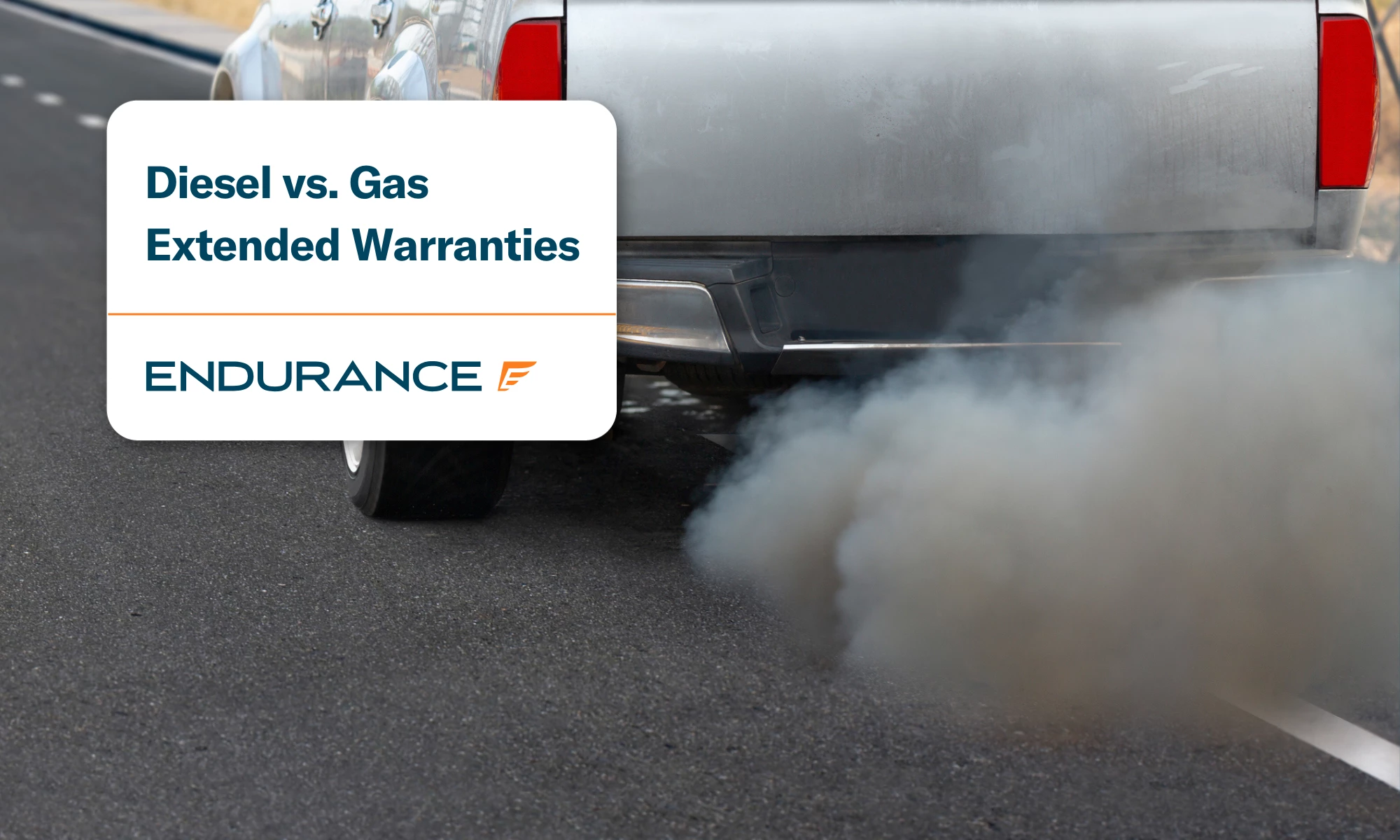
Los vehículos diésel han atraído desde hace tiempo a conductores que priorizan el par motor, la capacidad de remolque y la durabilidad a largo plazo. Ya sea un camión diésel de servicio pesado, una furgoneta comercial o un clásico sedán diésel europeo, estos motores están diseñados para funcionar. Esa durabilidad tiene una contrapartida: Las reparaciones de diésel suelen ser más complejas y significativamente más caras que las reparaciones de vehículos a gasolina.
Como resultado, cobertura de garantía extendida La cobertura para vehículos diésel suele ser más cara, restrictiva y detallada que la de los motores de gasolina. Para los propietarios que buscan proteger su vehículo, es fundamental comprender las diferencias entre las garantías de diésel y su impacto en los costos reales de reparación.
Desde componentes especializados y sistemas de emisiones avanzados hasta el suministro de combustible a alta presión, los riesgos asociados con los motores diésel influyen directamente en los términos de cobertura y los precios.
Por qué los motores diésel generan mayores riesgos de garantía
A primera vista, una El motor diésel puede parecer similar a un motor de gasolina., Pero los sistemas que hacen que los motores diésel sean eficientes y potentes también presentan más puntos de fallo. Los motores diésel operan con relaciones de compresión y presiones de combustible mucho más altas. Además, dado que la turboalimentación es una opción casi universal en estos motores, deben cumplir con estrictas normativas de emisiones mediante sistemas de posventa estratificados.
Desde la perspectiva de un proveedor de garantía, esto implica una mayor gravedad de las reclamaciones. Una sola falla en un componente diésel puede afectar a varios sistemas diferentes, convirtiendo lo que podría haber sido una reparación menor en un vehículo de gasolina en una reparación mayor. Como resultado, la garantía extendida y contrato de servicio de vehiculo Los planes (VSC) para vehículos diésel tienen un precio que refleja la probabilidad y la magnitud de esos reclamos más elevados.
En concreto, hay algunos sistemas específicos del diésel que suponen muchas reparaciones costosas:
- Sistemas de combustible de alta presión: Los motores diésel modernos utilizan bombas de combustible de alta presión (HPFP) e inyectores de precisión que operar a presiones superiores a 30.000 PSI. Estos componentes son muy sensibles a la contaminación y al desgaste del combustible, y cuando una HPFP falla, las virutas de metal pueden contaminar todo el sistema de combustible, lo que requiere el reemplazo de inyectores, rieles, líneas y, a veces, el tanque de combustible.
- Turbocompresores: Si bien muchos motores de gasolina ahora cuentan con turbocompresor, los turbos diésel están sometidos a una carga constante y a temperaturas de escape más altas. Los turbos de geometría variable pueden aumentar el rendimiento, pero también la complejidad mecánica, y la contaminación del aceite o un fallo del actuador pueden obligar rápidamente a reemplazar el turbo en lugar de repararlo.
- Sistemas de emisiones: El cumplimiento de las emisiones diésel depende de múltiples componentes integrados, incluidas válvulas y enfriadores de recirculación de gases de escape (EGR), filtros de partículas diésel (DPF), sistemas de reducción catalítica selectiva (SCR) e inyectores, calentadores y sensores de líquido de escape diésel (DEF).
Las fallas en cualquiera de los sistemas mencionados pueden provocar malas condiciones o incluso impedir el funcionamiento del vehículo. Lo peor es que estas piezas suelen ser costosas por separado, pero suelen fallar juntas. Considerando que estos sistemas solo existen en versiones simples, si es que existen, en los vehículos de gasolina, las garantías diésel tienen un alcance fundamentalmente diferente.
¿En qué se diferencia la cobertura de la garantía de los vehículos diésel de la de los vehículos de gasolina?
Las garantías extendidas y los VSC para vehículos a gas generalmente se centran en los componentes principales del sistema de propulsión, incluidos los componentes internos del motor, las transmisiones, los diferenciales y los sistemas de combustible básicos. Opciones de cobertura de diésel Hay que ir más allá, pero normalmente lo hacen de forma selectiva. Para ello, muchos planes diésel exigen lo siguiente:
- Excluir componentes de emisiones de forma predeterminada o exigir una cobertura de nivel superior para mantenerlos incluidos
- Limitar la cobertura sobre la contaminación del sistema de combustible
- Limitar las tarifas de mano de obra o el reembolso de piezas debido a requisitos de reparación especializados
- Exigir documentación de mantenimiento de rutina más estricta, incluido el tipo de aceite, los intervalos de servicio de cambio de aceite y el uso de DEF
Por el contrario, Las garantías de los vehículos a gas tienden a ser más amplias, Es más económico y fácil de usar porque las reparaciones están más estandarizadas. Por eso, leer la letra pequeña es fundamental al contratar un seguro para un vehículo diésel.
Ejemplos de rangos de costos de reparación de problemas comunes de diésel
Leer que las reparaciones de diésel tienen un costo mayor es una cosa, pero ver información tangible sobre el costo total es otra. La Junta de Recursos del Aire de California realizó un estudio exhaustivo hace unos años, en el que se examinaron los costos reales de las reclamaciones de garantía y los costos promedio de reparación por componente para sistemas diésel de servicio pesado. resultados de este estudio Encontré lo siguiente con respecto al costo de propiedad:
- Filtros de partículas diésel (DPF): Los datos del gobierno muestran que los costos de reemplazo promedio rondan los $2,600 para los diésel de servicio pesado.
- Turbocompresores: CARB estima que las reparaciones promedio de turbos diésel superan los $5,000, lo que refleja las piezas y la mano de obra.
- Fallas combinadas del sistema de emisiones/combustible (incluido el DPF): El análisis revela que los costos totales promedio de reparación superan los $5,100–$5,162 cuando fallan varios sistemas simultáneamente.
En comparación, basándose en ReparadorPal Según los datos, el coste medio de reparación de todos los coches al año es de sólo $652, lo que demuestra hasta qué punto se encuentran los vehículos diésel de gama alta.
Por qué es importante elegir un taller de reparación de motores diésel
Incluso la mejor garantía es tan buena como el taller que realiza el trabajo. Dado que las reparaciones de diésel... A menudo requieren herramientas de diagnóstico más especializadas y mayores costos de mantenimiento, hardware específico del fabricante y técnicos capacitados en sistemas de emisiones y combustible de alta presión, la instalación adecuada es importante.
Por lo tanto, es de suma importancia elegir un proveedor de cobertura que permita o fomente las reparaciones en talleres certificados con capacidad para vehículos diésel. Servicios de garantía Endurance entiende esto y, a través de nuestra asociación con RepairPal, puede obtener acceso a una red de Más de 4.000 talleres de reparación de automóviles certificados y concesionarios en todo el país.
Esto significa que no necesita recorrer largas distancias para encontrar servicios de reparación. La diferencia entre una experiencia de garantía sin problemas y una reclamación denegada suele depender de la documentación y la validación de la reparación, dos áreas en las que los talleres certificados ofrecen una ventaja.
Cobertura de gasolina vs. diésel: Obtenga Endurance
Los motores diésel no necesariamente fallan con más frecuencia que los de gasolina, pero cuando lo hacen, lo hacen con mayor gravedad. Esta misma realidad es la razón por la que las garantías extendidas y los VSC para Los vehículos diésel son más caros Y más matizados que los planes para camiones de gasolina. Los sistemas de combustible de mayor presión, la turboalimentación obligatoria y los complejos componentes de emisiones pueden generar escenarios de reparación que pueden abrumar a una billetera desprotegida.
Para los propietarios de vehículos diésel que planean conservar su vehículo más allá de la cobertura de fábrica, una garantía extendida no es solo una consideración de costos. Es una forma de gestión de riesgos. Afortunadamente, Endurance ofrece una gama de opciones de cobertura Para elegir, desde la cobertura más alta declarada hasta la más cercana a la que ofrece el fabricante para un auto nuevo. Esto significa que, sea cual sea la cobertura específica que busque, Endurance tiene una opción para sus necesidades.
Además, cada cliente de Endurance recibe beneficios como Asistencia en carretera 24 horas al día, 7 días a la semana y puede elegir activar un Paquete de beneficios Élite. Esto incluye beneficios adicionales como hasta $500 en cobertura de colisión, reparación de parabrisas, reemplazo de llavero y reembolso por hasta cuatro reparaciones o reemplazos de neumáticos por año..
Para conocer qué plan puede adaptarse a sus necesidades, comuníquese con un representante de Endurance al (800) 253-8203 o solicitar una Presupuesto por correo electrónico GRATIS. También puedes comprar en línea para ver tu precio y recomendaciones de planes de inmediato.









Desde los 16 años, Keith ha estado inmerso en la industria automotriz, comenzando su carrera ayudando a su padre a reparar vehículos a una edad temprana. Keith ahora es dueño de su propio taller de reparación familiar certificado por ASE. A+ Cuidado del automóvilEn su tienda, se centra en construir relaciones de confianza con su comunidad a través de un servicio al cliente excepcional. Leer más Acerca de Keith.