

¡Consigue esta oferta! Llama ahora.
Hable con un especialista en planes de protección de vehículos y obtenga $300 apagado cualquier nuevo contrato al instante.
Llamar 866-678-4172
o escanea el código a continuación

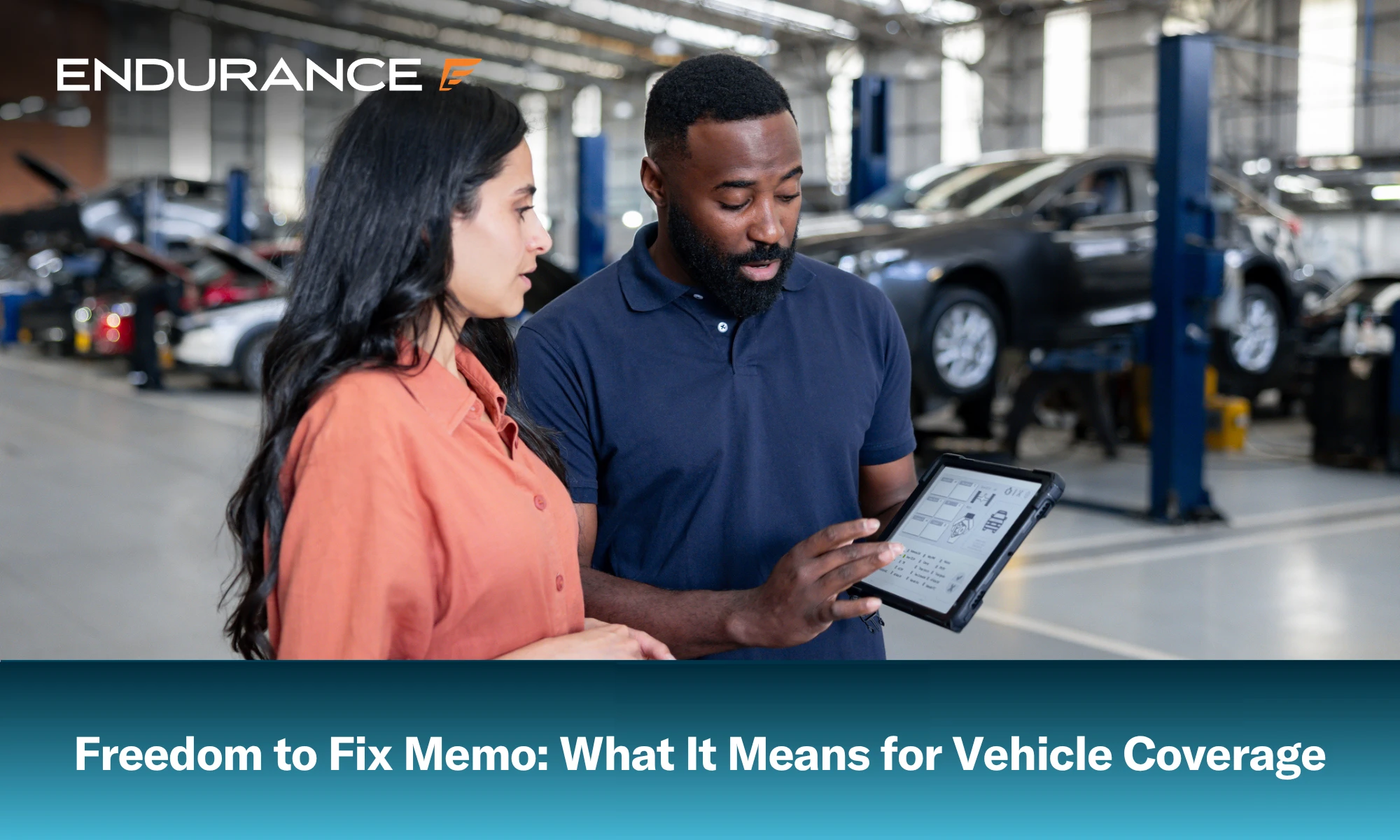
El 29 de junio de 2026, el presidente Donald Trump firmó un memorándum presidencial con el objetivo de ampliar la capacidad de los consumidores para reparar sus propios vehículos. Este memorando tiene como objetivo reducir las barreras regulatorias que pueden aumentar los costos de reparación y brindar a los conductores más opciones en lo que respecta al mantenimiento de sus vehículos.
Las directivas principales del memorando incluyen obtener la Agencia de Protección Ambiental La EPA busca aclarar qué pueden hacer legalmente los propietarios al reparar los sistemas de emisiones de sus vehículos. Asimismo, ordena a la EPA que ofrezca vías de certificación alternativas para los componentes de emisiones del mercado de repuestos. El objetivo final es lograr que la EPA deje de priorizar la aplicación de la ley contra los conductores que, tras una modificación, intentan restaurar los sistemas de emisiones de sus vehículos a su configuración original.
Si bien estos cambios podrían potencialmente hacer que las reparaciones sean más asequibles y accesibles, no son reformas masivas y radicales. Tampoco introducen ningún cambio con respecto a garantías de vehículos o contratos de servicio. Saber qué ha cambiado y qué no te ayudará a tomar la decisión correcta cuando llegue el momento de reparar tu coche.
El memorándum surge en medio del debate nacional más amplio sobre los consumidores.’ derecho a reparar sus propios vehículos. Los consumidores, los talleres de reparación y los fabricantes de repuestos han estado argumentando durante años que los propietarios de vehículos deberían poder trabajar en sus propios automóviles sin restricciones de los fabricantes u otros reguladores. Esto se produce después de una reunión en la Casa Blanca en junio de 2026 donde Trump dijo Ejecutivos de General Motors y Ford, Junto con funcionarios de la Asociación Nacional de Concesionarios de Automóviles (NADA), habían impulsado una legislación que restringiría la capacidad de los consumidores para reparar sus propios vehículos, una postura que Trump rechazó públicamente.
El debate sobre el derecho a reparar generalmente se centra en cosas como telemática vehicular, software de diagnóstico y acceso a los datos necesarios para las reparaciones, que pueden ser inaccesibles sin una autorización especial del concesionario. Sin embargo, este nuevo memorándum se centra principalmente en la aplicación de la normativa por parte de la EPA y la certificación de componentes de emisiones del mercado de repuestos. Representa un paso en la dirección correcta para el movimiento por el derecho a reparar, pero sin duda no es una ley radical que vaya a cambiarlo todo para los consumidores.
Una de las disposiciones más importantes de este memorándum tiene que ver con la certificación de componentes de emisiones del mercado de repuestos. Muchos relacionados con las emisiones Las piezas de recambio dependen de la certificación de la Junta de Recursos del Aire de California (CARB), un proceso de aprobación que el memorando de la Casa Blanca critica por ser lento y costoso. California ha dicho que el programa, en vigor desde hace 50 años, tiene un promedio de unos 90 días, aunque la administración argumenta que incluso eso añade costes y retrasos innecesarios para los consumidores de todo el país.
El memorando instruyó a la EPA a fomentar, agilizar y evaluar vías de certificación alternativas para que los fabricantes de repuestos no dependan de un único proceso de aprobación reconocido. Si se implementa con éxito, podría ampliar la disponibilidad de repuestos compatibles y reducir el costo total. A su vez, esto podría resultar en menores costos de reparación y tiempos de espera más cortos al reemplazar componentes de emisiones. Los talleres de reparación independientes también podrían beneficiarse al contar con más opciones aprobadas y poder atender a más clientes en un período relativamente corto.
La EPA Se movió rápidamente. El 1 de julio de 2026, solo dos días después de que se firmara el memorando, la EPA emitió una guía que reafirmaba los requisitos de información sobre reparaciones según el Ley de Aire Limpio y reconoció por separado el Programa de Emisiones Certificadas (SC-E) de SEMA como una forma aceptable de demostrar que los productos de posventa aprobados cumplen con los requisitos federales de emisiones.
Para muchos conductores, la pregunta más importante no es sobre las regulaciones de la EPA, sino sobre si reparar su propio vehículo y usar piezas de repuesto podría ser una opción. poner en peligro su garantía o contrato de servicio del vehículo. Afortunadamente, la ley federal ya brinda protección al consumidor.
Bajo el Ley de garantía Magnuson-Moss, Por lo general, los fabricantes no pueden anular la garantía por completo solo porque el propietario realice el mantenimiento o elija un taller independiente en lugar del concesionario, y lo mismo ocurre con las piezas de repuesto. Sin embargo, si un componente de repuesto provoca una falla mecánica, el fabricante aún podría negar la cobertura de la reparación, aunque le corresponde al fabricante demostrar dicha relación.
Cuando se trata de contratos de servicio de vehículos Los contratos de servicio de vehículos (VSC, por sus siglas en inglés), como los que ofrece Endurance, son acuerdos independientes con sus propios términos, condiciones, exclusiones y requisitos de reparación, por lo que la cobertura depende del contrato específico. Según su contrato, es posible que ciertas reparaciones deban ser realizadas por un taller autorizado y que las piezas de repuesto deban cumplir con ciertos estándares. Algunos contratos ofrecen mayor flexibilidad que otros, y ciertas reparaciones realizadas en el hogar podrían no estar cubiertas por el seguro.
Aunque el memorándum “Libertad para reparar” ha recibido bastante atención, no aborda muchos de los problemas del movimiento por el derecho a reparar. Quizás lo más importante es que el memorándum no crea un nuevo y amplio derecho de acceso a todos. telemática del vehículo o datos del vehículo conectado. La guía de la EPA de julio reafirmó los requisitos de acceso existentes para la información y los diagnósticos de los servicios relacionados con las emisiones, pero el debate más amplio sobre el acceso a los datos generados por los vehículos y otros sistemas digitales de propiedad exclusiva persiste.
Tampoco sustituye las leyes estatales vigentes sobre el derecho a reparar. Los estados tienen la libertad de seguir adoptando sus propias políticas, lo que puede significar que algunos conductores se beneficien mientras que otros no. Los componentes de emisiones del mercado de repuestos deben seguir cumpliendo con los requisitos aplicables de la Ley de Aire Limpio, y el memorando no autoriza la manipulación de las emisiones ni el uso de piezas que no cumplan con la normativa. Esto significa que todos los propietarios de vehículos deben asegurarse de que las piezas de repuesto cumplan con todos los estándares legales y de calidad que siempre han exigido.
Para la mayoría de los conductores, lo mejor que pueden hacer con respecto a este nuevo memorando es mantenerse informados antes de tomar decisiones sobre reparaciones. Comience por revisar su contrato de servicio vehicular actual y comprender cualquier requisito vigente con respecto a los talleres de reparación, componentes de repuesto, y la documentación. También puede ser útil conocer las protecciones que ofrece la Ley de Garantía Magnuson-Moss. Saber la diferencia entre la garantía del fabricante y un contrato de servicio del vehículo le facilitará conocer sus derechos.
Si usted mismo realiza el mantenimiento o las reparaciones, o si utiliza un taller de reparación independiente, es increíblemente importante que... mantener registros detallados de todo el trabajo realizado. Esto incluye cosas como recibos, facturas y cualquier información sobre las piezas utilizadas para los reemplazos.
También debes tener en cuenta que incluso los mecánicos más experimentados se encontrarán con reparaciones que requieren herramientas especializadas, diagnósticos y componentes costosos. Un contrato de servicio vehicular Endurance puede ayudarte a reducir el impacto financiero de las reparaciones cubiertas elegibles, sujeto a los términos y condiciones de tu contrato.
El memorando "Libertad para reparar" podría eventualmente hacer que ciertas reparaciones sean más asequibles, pero no elimina la necesidad de comprender su garantía., contrato de servicio de vehiculo, o los requisitos legales relacionados con su vehículo. Tener un plan establecido para cuando ocurran averías es su mejor opción para su tranquilidad. Endurance ofrece un gama de contratos de servicio Para automóviles y conductores de todo tipo, incluidos vehículos que otros proveedores pueden no cubrir, como automóviles del mercado gris canadiense, vehículos con títulos de salvamento o reconstruidos, y automóviles utilizados con fines comerciales como servicios de transporte compartido o entrega.
Además de la protección automática, los clientes de Endurance también obtienen ventajas adicionales como: Asistencia en carretera 24 horas al día, 7 días a la semana, reembolso de alquiler de vehículos y protección contra interrupciones de viaje. Además, también obtienes un año de Endurance. Beneficios de élite, incluyendo reparación o reemplazo de neumáticos, cobertura del parabrisas y reemplazo del control remoto de la llave, con un valor de $2,000, incluido de forma gratuita.
Para obtener la mejor protección para su vehículo, póngase en contacto con los asesores del plan Endurance en (800) 253-8203 para Cotización Gratis. Tú también puedes tienda en linea Para ver una vista previa de precios y planes recomendados.
Para obtener más recursos útiles como este, consulte el Blog de garantía EnduranceAllí encontrarás consejos y trucos de bricolaje, Comparaciones de proveedores, y mucho más.
En agosto de 2026, la Comisión de Energía de California (CEC) aprobó el Programa de Eficiencia de Neumáticos de Reemplazo, el primer estándar de eficiencia del país para...


Hemos recibido la información de su vehículo y nos comunicaremos con usted en breve con su cotización.
- O -
Comience a buscar un plan de cobertura ahora.


Estamos aquí para asegurarnos de que obtenga la protección EV más completa. Por eso nos hemos asociado con Xcelerate automático para ofrecerle una cobertura Tesla transparente y confiable.
¿Quiere que nos comuniquemos con usted acerca de la cobertura XCare para su Tesla?

Su protección es nuestra principal prioridad. Su cotización está en proceso y usted
recibirá un correo electrónico de confirmación en breve.

Hable con un especialista en planes de protección de vehículos y obtenga $300 de descuento en cualquier contrato nuevo al instante.
¡Ahorros espeluznantes: $300 de descuento + Beneficios Elite GRATIS durante 1 año!
Al hacer clic en el botón, acepta que Endurance utilice tecnología automatizada para llamarlo, enviarle un correo electrónico y enviarle mensajes de texto utilizando la información de contacto anterior, incluido su número de teléfono móvil, si se proporciona, con respecto a la protección del automóvil o, en California, el seguro contra averías mecánicas. También acepta el Endurance política de privacidad y Términos y condiciones. El consentimiento no es una condición de compra y puede retirar el consentimiento en cualquier momento. Se pueden aplicar tarifas por mensajes y datos.
Hable con un especialista en planes de protección de vehículos y obtenga $300 apagado cualquier nuevo contrato al instante.
Llamar 866-678-4172
o escanea el código a continuación

Simplemente complete la información a continuación y le daremos seguimiento rápidamente con su cotización gratuita y sin compromiso.
Al hacer clic en el botón, acepta que Endurance utilice tecnología automatizada para llamarlo, enviarle un correo electrónico y enviarle mensajes de texto utilizando la información de contacto anterior, incluido su número de teléfono móvil, si se proporciona, con respecto a la protección del automóvil o, en California, el seguro contra averías mecánicas. También acepta el Endurance política de privacidad y Términos y condiciones. El consentimiento no es una condición de compra y puede retirar el consentimiento en cualquier momento. Se pueden aplicar tarifas por mensajes y datos.

Para hablar con un especialista en planes de protección de vehículos y obtener $300 Cancelar cualquier nuevo contrato al instante
Escanee el código a continuación


Después de más de 16 años como técnico y asesor de servicio, Adam Karner hizo la transición a la industria de la protección de automóviles en 2009. Como gerente de productos de Endurance Dealer Services, aporta una valiosa experiencia práctica. Leer más sobre Adán.