

¡Consigue esta oferta! Llama ahora.
Hable con un especialista en planes de protección de vehículos y obtenga $300 apagado cualquier nuevo contrato al instante.
Llamar 866-678-4172
o escanea el código a continuación

La seguridad siempre ha sido un elemento básico when it comes to automakers’ design and innovation. After all, most drivers would opt for a vehicle that has características de seguridad añadidas to ensure driver safety. This has been demonstrated by the fact that US buyers are more than willing to fork over extra cash for such features. But whether it is the manufacturer’s ultimate goal for a safer automobile or just a grab for expanded market share, the safety of modern cars continues to grow. So what happens when we are no longer the ones operating the vehicle and are Sólo para el viaje?
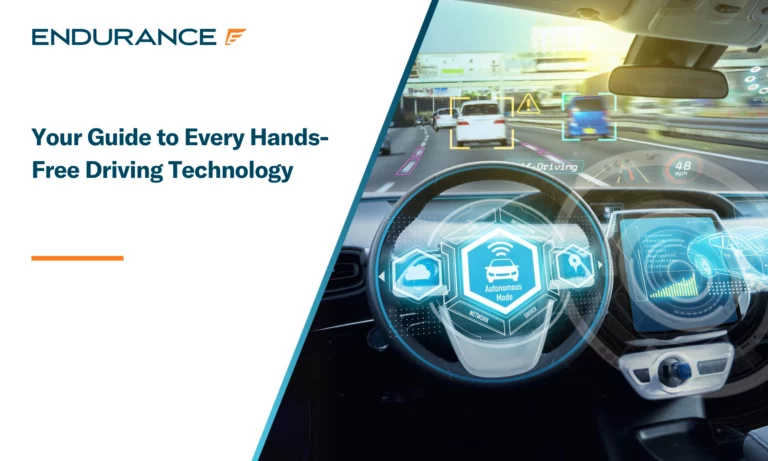
Esa es la pregunta que muchos se han estado haciendo, ya sean los consumidores en general, los propios fabricantes de automóviles o las agencias reguladoras del Gobierno. Y estos fabricantes ahora se han propuesto garantizar la seguridad de los conductores cuando operan (nótese que no dijimos que conducen) un vehículo autónomo o que se conduce solo.
Los fabricantes de automóviles están utilizando pequeñas cámaras y sensores para pista de cabezas colgantes. They will also use directional wheel screens capable of sending our audible cautions to guarantee drivers’ focus when utilizing self-driving vehicles. These are seen as a response to concerns that have come to light regarding Tesla’s Autopilot, which currently enables drivers to get their hands off the wheel.
So what exactly prompted this? Last year, it was reported in May 2016, que el accidente de un Tesla Model S that had resulted in driver death was related to utilizing Autopilot, the first ever of its kind. After this, the National Transportation Safety Board exhibited that clients could, for the most part, keep their hands off the wheel for extended periods despite repeated notices coming from the vehicle.
In any case, the crash also managed to underscore a particularly vexing issue for automakers. Unless a car is equipped for driving itself securely for every situation, drivers will at least for now need to stay alert. This means it will be necessary for drivers operating a self-driving vehicle to be prepared to take control regardless of the autopilot system or autonomous program it is using.
The National Transportation Safety Board or NTSB, the government organization that is tasked with examining huge transportation mishaps, said that during a 37-minute segment of the 41-minute Tesla trip, the driver kept his hands on the wheel for only 25 seconds. He apparently put his hands on the wheel for about one to three seconds, beyond that. All of that in spite of getting visual and audio notices.
Motores generales developed a new driver-assist system called Super Cruise that was at first made for release the end of last year. Sadly, the innovation is set to be discounted this fall. Barry Walkup, the main designer of Super Cruise, said they included “a driver assist system that demanded driver supervision.”
The Super Cruise system framework utilizes a tiny camera aimed at the driver. It also works with infrared lights to track them. It sees where the driver is looking. If the system notices that the driver is not focusing, it will prompt the driver to pay attention. The system utilizes facial recognition software. Should the driver fail to react, it will not only activate more cautions, visual markers, and audio alarms. A guiding wheel light bar is also on board. If the driver still does not react, the vehicle is forced into a controlled stop.
Volkswagen AG’s Audi unit also has a framework that handles directing and braking at rates of up to 40 mph. This actually requires the driver to check in with the guiding wheel at regular intervals. Audi said the framework will beep cautions at the driver. And if the driver does not react, the car will stop slowly.
El Administración Nacional de Seguridad del Tráfico en las Carreteras does not test or pre-affirm self-driving frameworks before automakers introduce them. They are the lead organization for managing cars. Rather, the organization reacts to protests or crashes. This is connected to when they examine whether or not there was a potential error that led to a hazard. The May 2016 Tesla mishap has raised worries about the control of self-driving cars.
The NTSB will also, in turn, issue reports from their discoveries and may make suggestions to the NHTSA.

Hemos recibido la información de su vehículo y nos comunicaremos con usted en breve con su cotización.
- O -
Comience a buscar un plan de cobertura ahora.


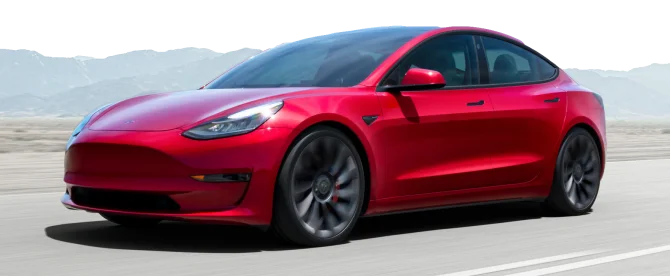
Estamos aquí para asegurarnos de que obtenga la protección EV más completa. Por eso nos hemos asociado con Xcelerate automático para ofrecerle una cobertura Tesla transparente y confiable.
¿Quiere que nos comuniquemos con usted acerca de la cobertura XCare para su Tesla?

Su protección es nuestra principal prioridad. Su cotización está en proceso y usted
recibirá un correo electrónico de confirmación en breve.

Hable con un especialista en planes de protección de vehículos y obtenga $300 de descuento en cualquier contrato nuevo al instante.
¡$300 de descuento + Beneficios Elite GRATIS durante 1 año!
Al hacer clic en el botón, acepta que Endurance utilice tecnología automatizada para llamarlo, enviarle un correo electrónico y enviarle mensajes de texto utilizando la información de contacto anterior, incluido su número de teléfono móvil, si se proporciona, con respecto a la protección del automóvil o, en California, el seguro contra averías mecánicas. También acepta el Endurance política de privacidad y Términos y condiciones. El consentimiento no es una condición de compra y puede retirar el consentimiento en cualquier momento. Se pueden aplicar tarifas por mensajes y datos.
Hable con un especialista en planes de protección de vehículos y obtenga $300 apagado cualquier nuevo contrato al instante.
Llamar 866-678-4172
o escanea el código a continuación
Simplemente complete la información a continuación y le daremos seguimiento rápidamente con su cotización gratuita y sin compromiso.
Al hacer clic en el botón, acepta que Endurance utilice tecnología automatizada para llamarlo, enviarle un correo electrónico y enviarle mensajes de texto utilizando la información de contacto anterior, incluido su número de teléfono móvil, si se proporciona, con respecto a la protección del automóvil o, en California, el seguro contra averías mecánicas. También acepta el Endurance política de privacidad y Términos y condiciones. El consentimiento no es una condición de compra y puede retirar el consentimiento en cualquier momento. Se pueden aplicar tarifas por mensajes y datos.

Para hablar con un especialista en planes de protección de vehículos y obtener $300 Cancelar cualquier nuevo contrato al instante
Escanee el código a continuación


Alex ha trabajado en la industria de servicios automotrices durante más de 20 años. Luego de graduarse de una de las mejores escuelas técnicas del país, se desempeñó como técnico logrando la certificación de Maestro Técnico. También tiene experiencia como asesor de servicios y gerente de servicios. Leer más sobre alex