

Get this deal! Call now.
Speak with a vehicle protection plan specialist and get $300 off any new contract instantly.
Call 866-678-4172
or scan the code below

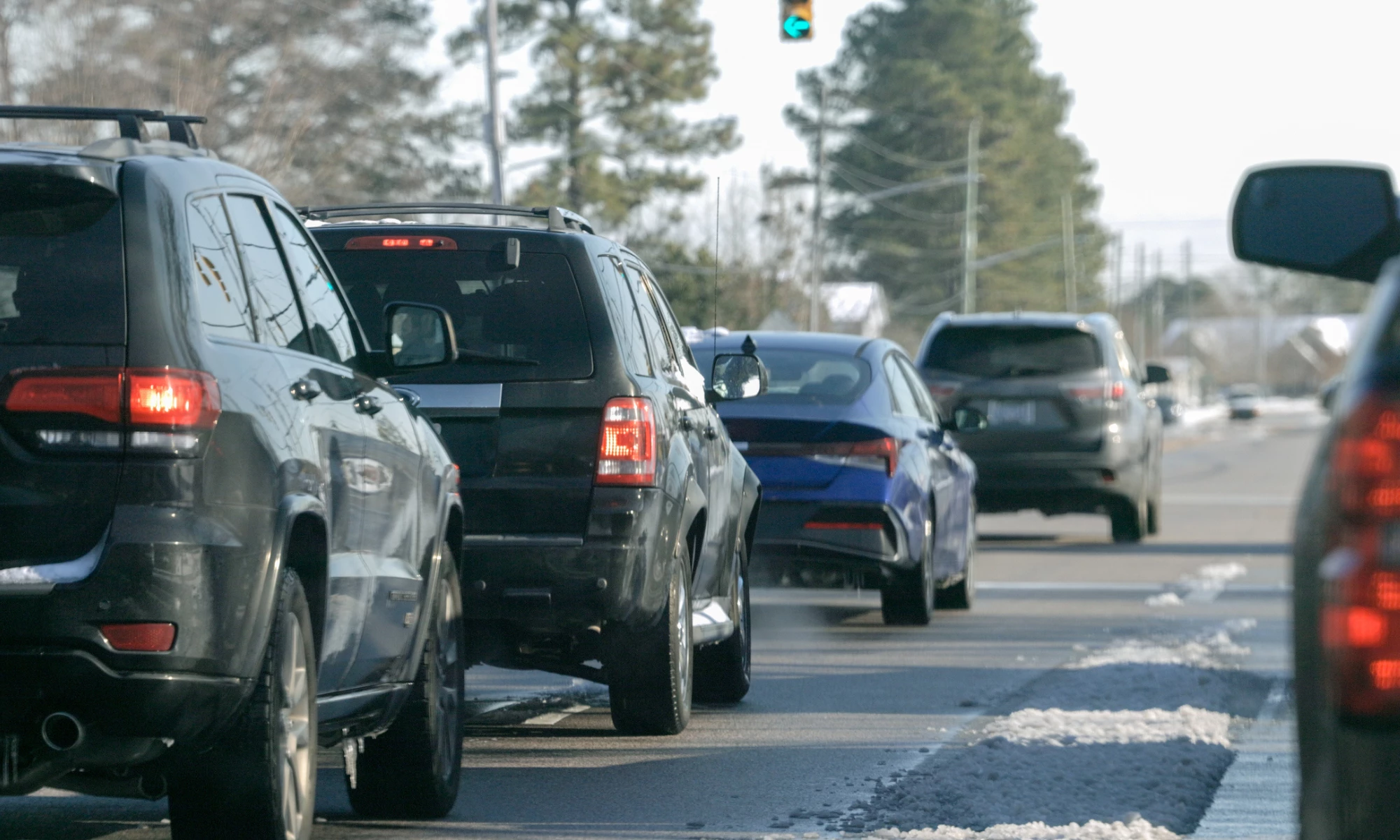
Living in Chicago, I have become very accustomed to harsh weather conditions that creep up on you at unexpected moments, all throughout the year. Understanding how to manage the road can help you navigate through a life-or-death situation and make you feel more comfortable when the weather plays out the way it does.
Driving in unsafe weather conditions should be entirely avoided if possible. If not, keep these tips in mind for driving in the most unpleasant weather conditions: fog, rain, and snow.
Some say that dense fog can be the most dangerous condition to drive in because it impairs your vision, making it harder to see the road you’re driving on and what is in front of you.
If you have no choice but to drive in the fog, make sure you slow down way below the speed limit. Driving too fast can increase your chances of swerving into another lane and decrease your time and ability to stop if a car comes into your lane.
Never use your brights, ONLY use your regular headlights to see! Too much light can impair your ability to see even more because the lights are reflecting off the fog and coming back at you.
Use the white lines on the side of the road to guide you, not the middle yellow line. Doing so will help you stay in your lane and keep other drivers’ headlights out of your eyes.
Allow a sufficient amount of distance between you and the car in front of you, so you and the vehicle ahead have time to stop if necessary.
Use turn signals early so the driver behind you is more likely to see them.
Rain is the most common weather condition that everybody is going to have to deal with in life. Rain can come at weird hours, usually at least once every season, so knowing how to drive in this weather will be the most useful.
Make sure that you know how to use windshield wipers, as they will help you the most!
Always give yourself enough time to stop and avoid speeding. When the roads are wet, there is a greater chance of skidding and sliding out of your lane.
In really heavy rains, use your headlights to see and be seen by other drivers.
Try to drive in the tracks of the car ahead of you because driving in puddles and on the outer lanes can cause your vehicle to steer out of control.
If you drive in snowy conditions, always give yourself enough time to get where you need to go. You will have to drive much slower, which will help you avoid speeding if you plan ahead. If the snow has been sitting for a day, be extra careful because there’s a chance ice or black ice is under the snow you cannot see, and it’s terrifying when you don’t have control of your vehicle.
When you come up to a turn, do so very slowly to avoid hitting another vehicle if your car loses traction.
When you accelerate, don’t pedal to the metal. If you do, the tires will spin in place, causing you to spin out of control.
Make sure your brakes are working and that you are in 4-wheel drive. Different cars react differently to snow, so it might be helpful to practice in an empty parking lot where no one is around.
If you find yourself in an accident due to poor road conditions, make sure you are prepared and have an extended warranty or vehicle service contract on your car, because Endurance is always there to help!

We've received your vehicle information and will contact you shortly with your quote.
— OR —
Start shopping for a coverage plan now.


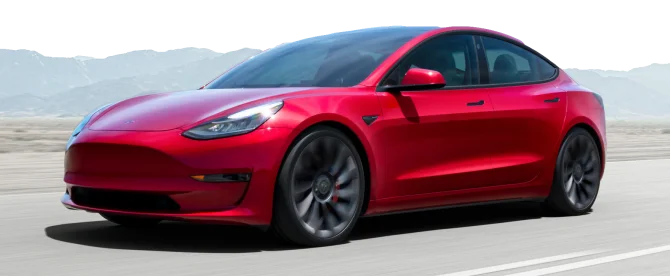
We're here to make sure you get the most comprehensive EV protection. That's why we've partnered with Xcelerate Auto to offer you transparent and dependable Tesla coverage.
Want us to contact you about XCare coverage for your Tesla?

Your protection is our top priority. Your quote is in progress and you will
receive a confirmation
email shortly.

Speak with a vehicle protection plan specialist and get $300 off any new contract instantly.
$300 off + FREE Elite Benefits for 1 year!
By clicking the button, you consent to Endurance using automated technology to call, email, and text you using the contact info above, including your wireless number, if provided, regarding auto protection or, in California, mechanical breakdown insurance. You also agree to the Endurance Privacy Policy and Terms and Conditions. Consent is not a condition of purchase, and you can withdraw consent at any time. Message and data rates may apply.
Speak with a vehicle protection plan specialist and get $300 off any new contract instantly.
Call 866-678-4172
or scan the code below

Simply fill out the information below and we will follow up fast with your free no-obligation quote.
By clicking the button, you consent to Endurance using automated technology to call, email, and text you using the contact info above, including your wireless number, if provided, regarding auto protection or, in California, mechanical breakdown insurance. You also agree to the Endurance Privacy Policy and Terms and Conditions. Consent is not a condition of purchase, and you can withdraw consent at any time. Message and data rates may apply.

To speak to a vehicle protection plan specialist and get $300 off any new contract instantly
Scan the code below


The Endurance blog is powered by a team of automotive experts, customer care professionals, and industry writers dedicated to helping drivers make smarter decisions about vehicle protection and ownership. From coverage insights to car care advice, our content is designed to inform and support every stage of the driver journey. For press inquiries, please contact [email protected].