

Tips for Driving More Safely in Inclement Weather
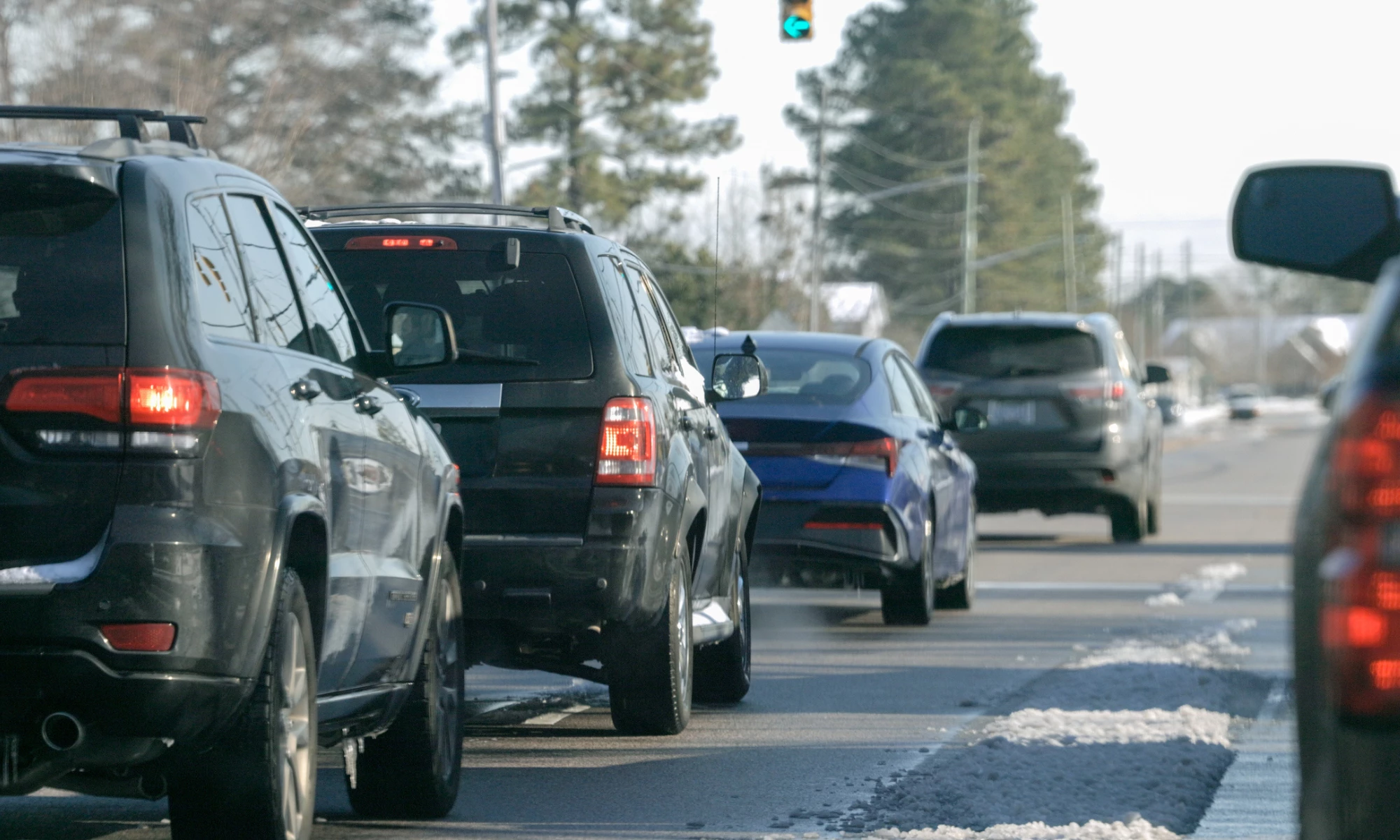
When you drive in the rain, you aren’t just limiting your visibility; you are also risking your level of control on the road. Driving in the rain is notoriously difficult and dangerous. Even without traffic, road conditions are less than ideal for tire wear and handling, and it is also hard to see potential hazards.
If you are going to be driving in particularly rainy weather, the best thing you can do is plan ahead and pick up some safe habits. Today on ShopTalk, we’re going over 6 really easy ways to drive safely when things get wet outside.
Check your Tires
All car tires have treads to create grip on asphalt. Sadly, over time, treads get worn down and become less effective. The treads actually channel water and dirt away from the ground. Water physically gets in the way of these. On a wet road, you are more likely to slip or spin. That is why it is incredibly important to check your tires and make sure your treads are deep enough.
Inspect your Wipers
Thanks to windshield wipers, driving is not like swimming without goggles. However, over time, wiper blades made of rubber can collect grime and wear out. That leads to streaks or inconsistent patches on the windshield. Rubbing alcohol makes it easy to clean these, but if there are cracks or chunks missing, that means you need to replace them.
Aim the Headlights Correctly
Rain most immediately affects visibility, so you need to do everything in your power to make it easier to see other drivers. Turn on your headlights. It makes you more noticeable, is legally required in most states, and lets you see a little further ahead.
Basically, just remember that whenever you need your wipers on, you need your headlights on too.
Minimize the Possibility of Hydroplaning
Driving through a puddle is an incredibly bad idea. If you are traveling over a wet surface, your tires will skip off the water. That means you’ll hydroplane above the road, and you will lose a lot of control over your car. However, if you do start to hydroplane, it is best to have both hands on the steering wheel and slowly apply the brakes. If you slam the brakes, you will skid. Always look far ahead on the road and reduce your speed if you are near a puddle.
Don’t Use Cruise Control
While cruise control is very useful on highways and when roads are dry, it is a big problem if it rains. The system maintains a constant speed. If you do that in the rain, you increase the risk of hydroplaning. No car is smart enough yet to detect when there’s water on the road. In the rain, it is best to keep your vehicle under your full control.
Slow Down Your Speed
Wet roads are dangerous and slick. They increase your stopping distance and also the potential for skids. You need more reaction time and distance. In rainy weather, it is advisable to drive at 5 to 10 mph below the speed limit. You should also keep right, and if you pass, do so when the cars you wish to pass are in your center rear-view mirror. They should be several car lengths behind you. In the rain, it is best to be a slower, more attentive, and more courteous driver than ever. This keeps you and your fellow commuters safe.
Rainy weather forces all drivers to adjust their driving techniques. You need to take all the precautions and adjustments you can. None of these will make your drive longer, but they will help get you where you are going with as little fuss as possible.










Alex has worked in the automotive service industry for over 20 years. After graduating from one of the country’s top technical schools, he worked as a technician achieving a Master Technician certification. He also has experience as a service advisor and service manager. Read more about Alex.