

How to Fix Bad Brakes – Guide to Common Brake Repairs
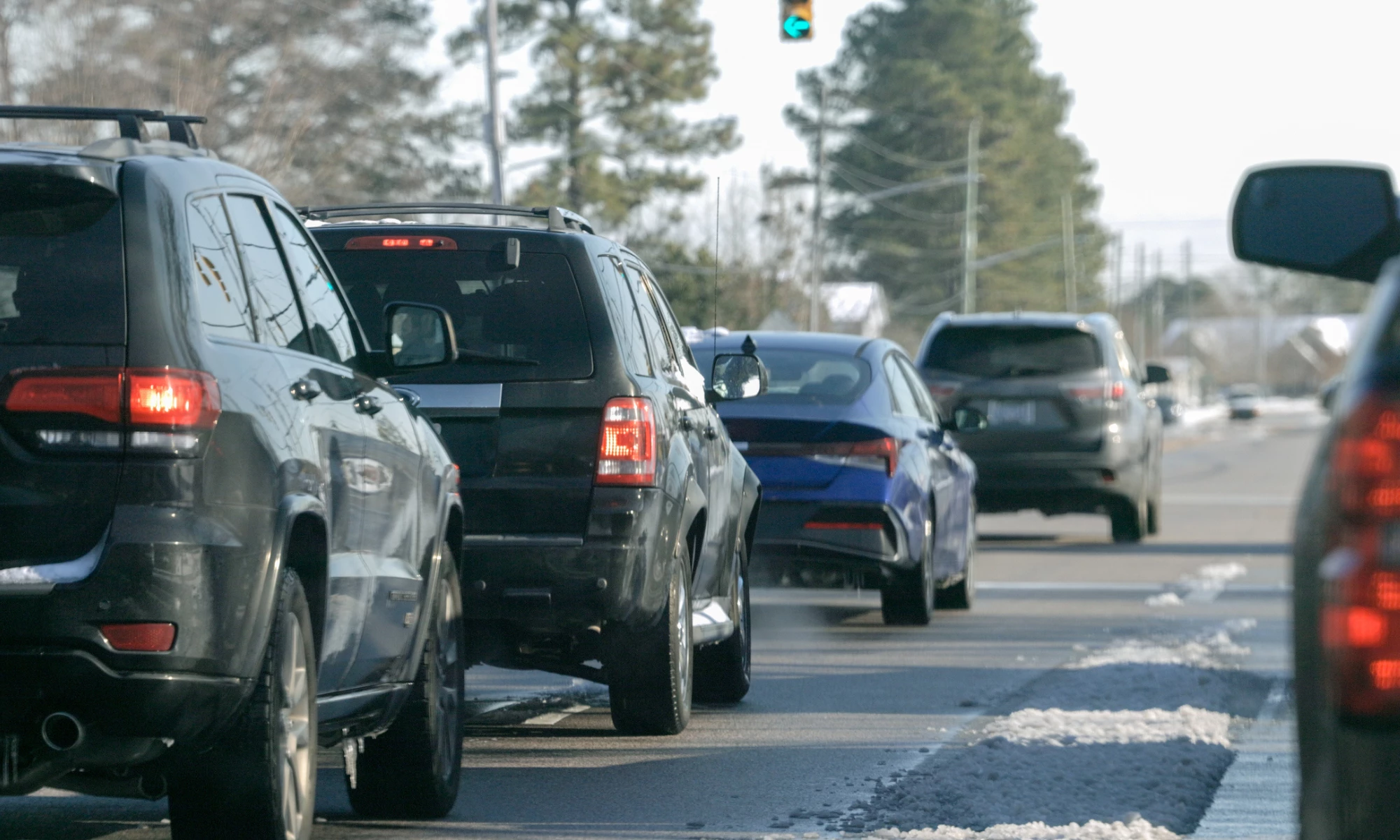
Picture the following situation. You are driving your car, and all of a sudden, you need to stop. You brake a bit and start easing off the brake pedal so you come to a full stop where you need to be. However, something is different this time. You have already pushed the brake pedal all the way down to the floor, but your car has not stopped. Then you remember that your pads and brake fluid were replaced very recently.
So what happened? The problem with your car is your master brake cylinder.
What is the Master Brake Cylinder?
Problems with the master brake cylinder occur much more often than some vehicle owners may think. The Master Brake Cylinder is a component of your car that acts as the primary hydraulic pump. It is the part of your car that is filled with brake fluid. Whenever you step on your brake pedal, a piston forces hydraulic fluid to build pressure. That pressure is what actually applies the brakes.
What Causes Master Brake Cylinders to Fail
The most common cause of a master brake cylinder failure is a faulty seal. You see, this whole system depends on things being air-tight, so the pistons need to be fully sealed for hydraulic pressure to actually work. When these seals fail, the fluid seeps out and can sneak around the master cylinder. In turn, the pressure and the fluid are not being moved out to the brakes. And when that happens, you cannot brake or stop. That is incredibly dangerous.
The Master Brake Cylinder is Sensitive
Here’s the thing with the Master Brake Cylinder. It is going to fail intermittently. And when that happens, it is usually caused by, or at least made to perform badly, in cold weather and climates. This is no cause for alarm, as by the time a car heats up, the seals may tighten and expand in order to operate correctly.
Check and Repair Those Brakes at all Times
Whenever you bring your car in for repair or maintenance, the brakes should be a high priority. The ability to slow down and stop is incredibly important for safe driving. Occasionally, shops will miss out on checking the seals or the master brake cylinder. That is why it is incredibly important that you ask the mechanic.
They will definitely inspect the full braking system of your car. That includes the master cylinder. If they find any leaks, problems with the seals, or a faulty cylinder at normal temperatures, it is not an overly expensive repair.
If you suspect that your car is not braking efficiently based on how it feels when you apply them, that is a major red flag. Immediately take your car in for service and tell them what you felt. If you wait any longer, that may be an accident waiting to happen.
A careful driver is a safe driver, and safe drivers save money and heartache. For more automotive tips and tricks, stay tuned for ShopTalk, only on the Endurance Learning Center.










Alex has worked in the automotive service industry for over 20 years. After graduating from one of the country’s top technical schools, he worked as a technician achieving a Master Technician certification. He also has experience as a service advisor and service manager. Read more about Alex.