

Automotive Tariffs and Limited Supply May Keep Used Car Prices High
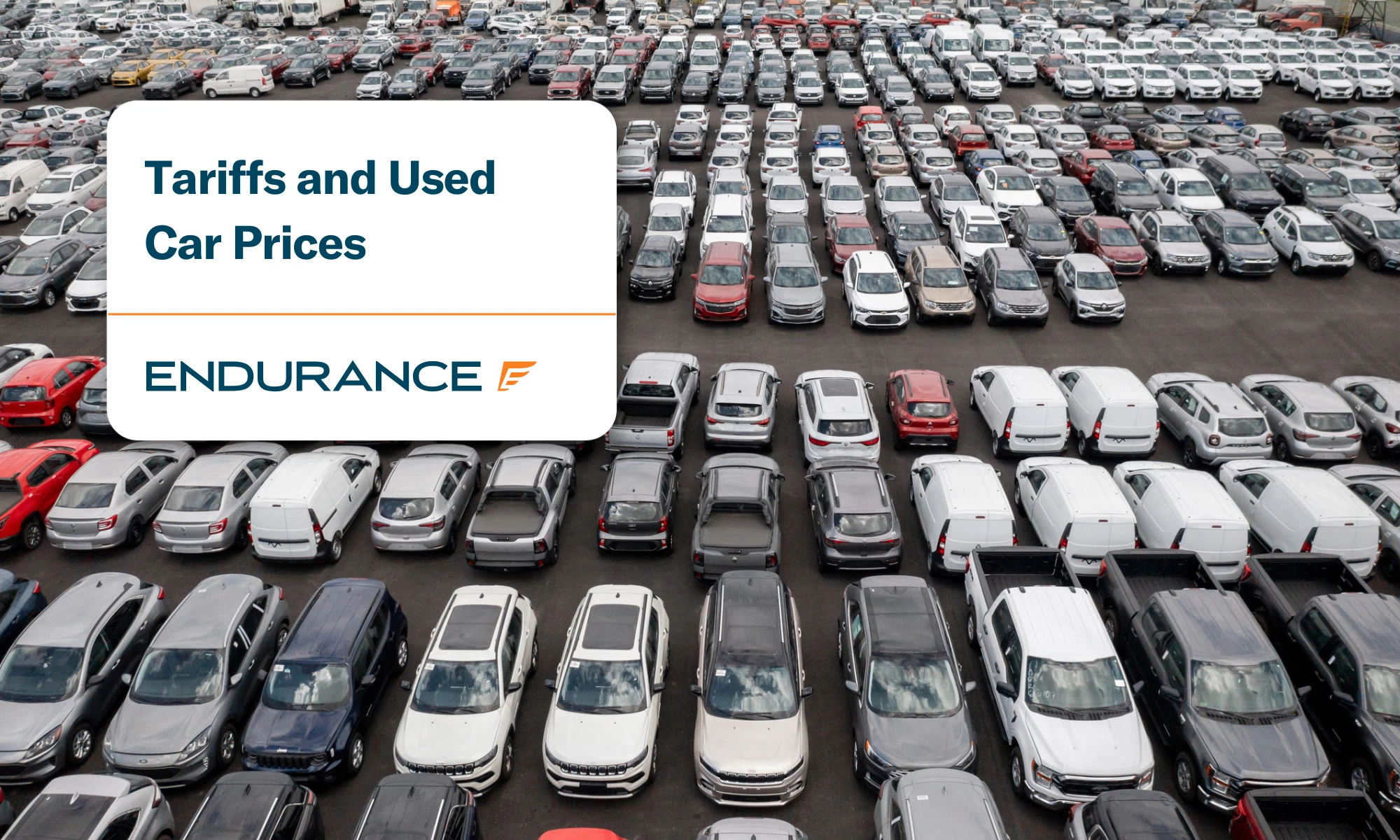
The used-car market has faced significant pressures in recent years due to supply chain issues, waterfall pricing, and other challenges. Unfortunately for the market, tariff impacts aren’t forecasted to alleviate pricing concerns. Add production constraints and low new-car incentives on top of this, and it’s clear that prospective used car buyers may be facing elevated prices and a limited selection for the foreseeable future.
Understanding how tariffs and supply bottlenecks are driving up used car prices will help inform your decision on when to buy or sell.
How Tariffs and Production Constraints Feed Into Pricing
The used car supply chain was already in a fragile state following years of semiconductor issues, which caused major price increases, resulting in a trickle-down effect to the used market. Recent U.S. trade policy throughout 2025 has not yet resulted in a noticeable market turnaround.
In April, a 25% tariff on certain foreign-made vehicles and components was announced, including heavy trucks, engines, and parts. The decision was justified by citing a need to protect U.S. manufacturing capacity.
While automakers have strived to absorb the higher price changes themselves, the economic impact on the market has been widely discussed. As covered by Reuters, the Manheim used car index currently shows the largest annual increase in retail prices since 2022, with a surge of 6.3%.
This is driven by the fact that automakers can only take so much of a hit. When new-car production becomes more costly, automakers may raise sticker prices or limit output, both of which result in a trickle-down effect of increased demand and higher vehicle prices for the used car market.
Ripple Effects On New-Car Incentives, Trade-Ins, and Leasing
These pressures from tariffs and continued supply chain constraints affect more than just used car prices. New car prices are also directly elevated as a result. Data compiled from August by Kelley Blue Book (KBB) showed that the average American new car buyer paid just shy of $50,000 for their vehicle, reflecting a 2.6% higher month-over-month increase than any seen in two years.
As a result of these prices, in addition to automakers continually announcing their limitations with eating tariff costs, some new-car financing rebates and incentives have decreased in certain segments. The trade-in market has also been uniquely impacted. Many dealers are actively seeking additional used inventory, which means those looking to sell desirable vehicles, including trucks, hybrids, and EVs, are able to command top dollar amidst disruptions.
For those looking to upgrade to a new vehicle, though, the impact of tariffs is different. The average age of used vehicles listed on Edmunds earlier in the year was 6.1 years old, up from 5.7 years old the previous year, indicating an increase in used vehicles on the market. This means you may find pricing higher even for older vehicles.
Finally, the leasing market is also seeing a unique impact. A high MSRP may normally help lessees, as a higher residual value can help lower monthly payments. However, the general uncertainty around the tariff increase and uncertain resale trends are causing automakers to be cautious. As a result, some are lowering their residuals in order to try to hedge against volatility, which can cause higher costs to lease.
Segments Most Exposed: Trucks, Hybrids, and EVs
While all vehicle segments are likely going to feel the squeeze of tariffs if they aren’t already, certain segments will be hit harder than others:
- Trucks and SUVs: These vehicles are the profit engines for U.S. automakers, given their large size and price tag, but they are resource-intensive to produce; relying heavily on imported components, trucks and SUVs have a cost structure that rises quickly.
- Hybrids: As gas prices fluctuate and consumers have better fuel economy at the top of mind, demand for hybrids continues to stay strong. However, many hybrid parts, such as battery modules, motors, and power electronics, are sourced internationally, meaning tariffs hit the segment hard.
- Electric Vehicles: EVs remain central to long-term strategies, but tariffs may cause additional costs for certain batteries and electronic parts, similar to how they are on hybrids. For a young vehicle segment where costs are already high, the impact is exacerbated.
Smart Shopper Timing: When to Buy, Sell, or Wait
With so many moving parts impacting the broader vehicle market currently, predicting the best time to buy or sell can be a challenge. Generally speaking, given current conditions, some buyers may prefer to purchase sooner rather than later, depending on pricing and availability. This only holds true if you find a fairly priced vehicle in good condition. You should also be checking multiple markets and comparing different online listings to ensure you’re getting the best pricing, too.
Additionally, with higher interest rates and elevated pricing affecting the market, your focus should be on evaluating the total cost of ownership, rather than just the monthly payment.
Those who are in possession of high-demand vehicles and looking to sell also should do so sooner rather than later, given the high resale values. Private sales may yield better returns than trade-ins to dealers, given the hesitation automakers are having across the board, so just be prepared to compare offers.
On the other hand, if you are currently driving a reliable vehicle that’s paid off, waiting further might still pay off. If interest rates ease throughout 2026 or if inventory rebounds in a big way, the market may stabilize enough to have a more profitable transaction down the road. At the end of the day, the choice will depend on the vehicle you currently drive, its reliability, and how badly you need the transaction to be completed.
Stay Protected Regardless of Auto Industry Trends
The used-car market may remain in flux in the near term, given current trends in our economic and political environments. Tariffs on certain imported vehicles and parts may contribute to ongoing pricing pressure. Furthermore, production constraints and inventory levels that haven’t yet fully recovered may exacerbate the issue, making it difficult for the market to return to normal.
No one can perfectly time the market, but by developing a better understanding of tariff impacts and supply chain limitations, you can have an edge when deciding when to buy or sell. If you plan to keep your vehicle, investing in a vehicle service contract (VSC), commonly known as an extended auto warranty, may help keep it on the road for longer. Endurance Warranty Services offers plans that can help you cover unexpected mechanical breakdowns and their costly repair bills.
Whether you’re looking for coverage for the important systems of your vehicle (Secure Plus plan) or a comprehensive component coverage (our Supreme plan), we have something for every vehicle and driver. Additionally, Endurance offers a year of Elite Benefits for a small activation fee, providing up to $2,000 in bonus perks, including collision coverage, key fob replacement, reimbursements for up to four tires per year, and more.*
Contact an Endurance representative at (800) 253-8203 or request a FREE quote. You can also see your price and plan recommendations by shopping on our online store.










After more than 16 years as a technician and service advisor, Adam Karner transitioned to the auto protection industry in 2009. As a Product Manager for Endurance Dealer Services, he brings valuable hands-on experience. Read more about Adam.