

¡Consigue esta oferta! Llama ahora.
Hable con un especialista en planes de protección de vehículos y obtenga $300 apagado cualquier nuevo contrato al instante.
Llamar 866-678-4172
o escanea el código a continuación

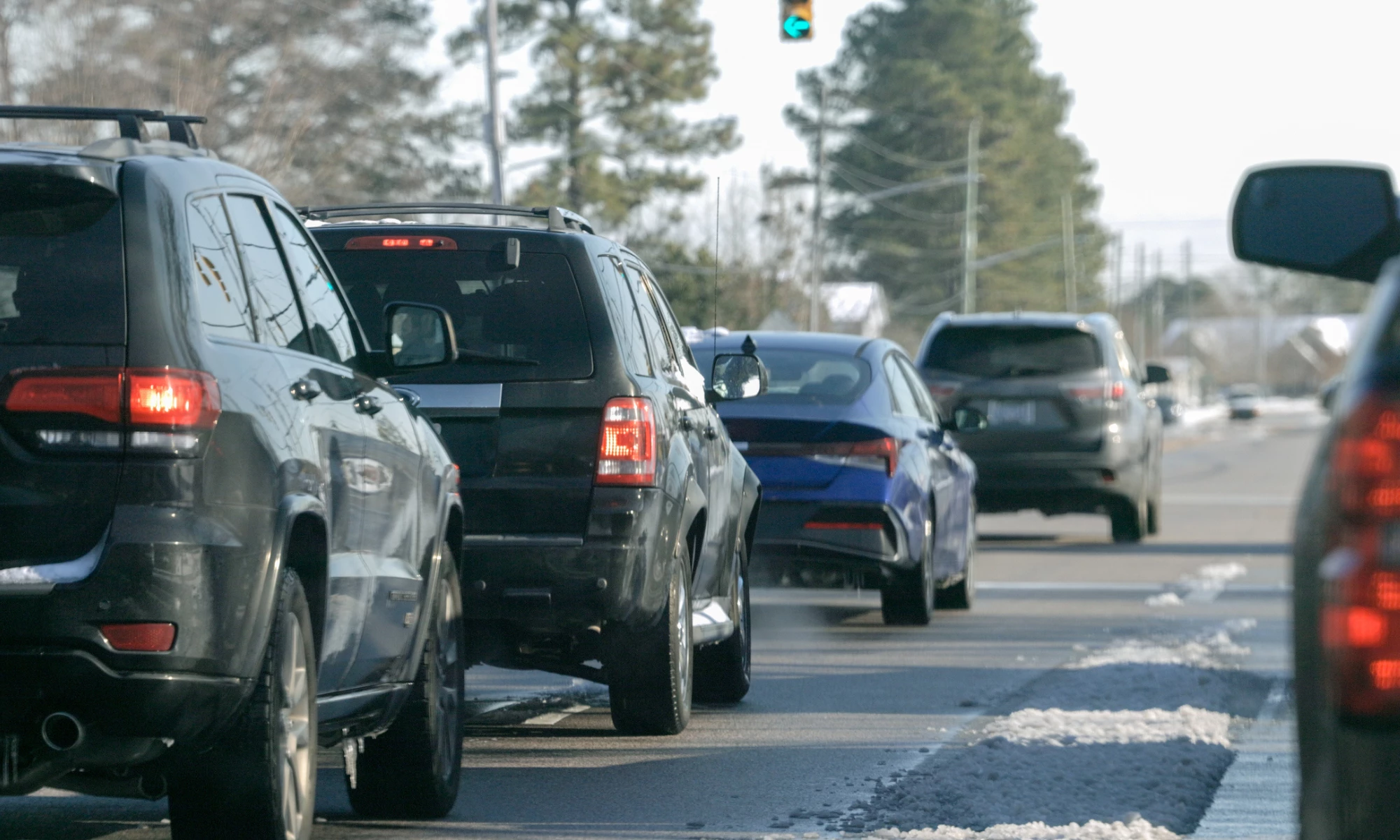
Cuando conduces bajo la lluvia, no solo estás... limitando tu visibilidad;también estás arriesgando tu nivel de control en la carretera. Driving in the rain is notoriously difficult and dangerous. Even without traffic, road conditions are less than ideal for tire wear and handling, and it is also hard to see peligros potenciales.
Si va a conducir en un clima particularmente lluvioso, lo mejor que puede hacer es planificar con anticipación y adoptar algunos hábitos seguros. Hoy Argot, we’re going over 6 really easy ways to drive safely when things get wet outside.
Todo Neumáticos de coche have treads to create grip on asphalt. Sadly, over time, treads get worn down and become less effective. The treads actually channel water and dirt away from the ground. Water physically gets in the way of these. On a wet road, you are more likely to slip or spin. That is why it is incredibly important to check your tires and make sure your treads are deep enough.
Gracias a limpiaparabrisas, driving is not like swimming without goggles. However, over time, wiper blades made of rubber can collect grime and wear out. That leads to streaks or inconsistent patches on the windshield. Rubbing alcohol makes it easy to clean these, but if there are cracks or chunks missing, that means you need to replace them.
Rain most immediately affects visibility, so you need to do everything in your power to make it easier to see other drivers. Turn on your headlights. It makes you more noticeable, is legally required in most states, and lets you see a little further ahead.
Basically, just remember that whenever you need your wipers on, you need your headlights on too.
Driving through a puddle is an incredibly bad idea. If you are traveling over a wet surface, your tires will skip off the water. That means you’ll hydroplane above the road, and you will lose a lot of control over your car. However, if you do start to hydroplane, it is best to have both hands on the steering wheel and slowly apply the brakes. If you slam the brakes, you will skid. Always look far ahead on the road and reduce your speed if you are near a puddle.
While cruise control is very useful on highways and when roads are dry, it is a big problem if it rains. The system maintains a constant speed. If you do that in the rain, you increase the risk of hydroplaning. No car is smart enough yet to detect when there’s water on the road. In the rain, it is best to keep your vehicle under your full control.
Wet roads are dangerous and slick. They increase your stopping distance and also the potential for skids. You need more reaction time and distance. In rainy weather, it is advisable to drive at 5 to 10 mph below the speed limit. You should also keep right, and if you pass, do so when the cars you wish to pass are in your center rear-view mirror. They should be several car lengths behind you. In the rain, it is best to be a slower, more attentive, and more courteous driver than ever. This keeps you and your fellow commuters safe.
Rainy weather forces all drivers to adjust their driving techniques. You need to take all the precautions and adjustments you can. None of these will make your drive longer, but they will help get you where you are going with as little fuss as possible.


Hemos recibido la información de su vehículo y nos comunicaremos con usted en breve con su cotización.
- O -
Comience a buscar un plan de cobertura ahora.


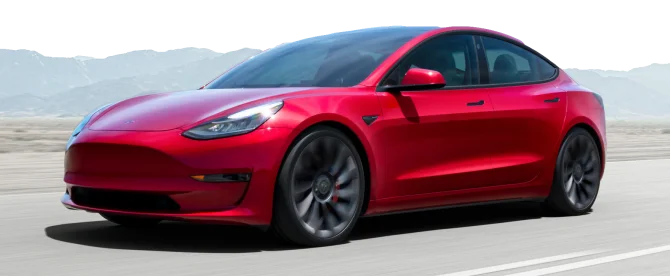
Estamos aquí para asegurarnos de que obtenga la protección EV más completa. Por eso nos hemos asociado con Xcelerate automático para ofrecerle una cobertura Tesla transparente y confiable.
¿Quiere que nos comuniquemos con usted acerca de la cobertura XCare para su Tesla?

Su protección es nuestra principal prioridad. Su cotización está en proceso y usted
recibirá un correo electrónico de confirmación en breve.

Hable con un especialista en planes de protección de vehículos y obtenga $300 de descuento en cualquier contrato nuevo al instante.
¡$300 de descuento + Beneficios Elite GRATIS durante 1 año!
Al hacer clic en el botón, acepta que Endurance utilice tecnología automatizada para llamarlo, enviarle un correo electrónico y enviarle mensajes de texto utilizando la información de contacto anterior, incluido su número de teléfono móvil, si se proporciona, con respecto a la protección del automóvil o, en California, el seguro contra averías mecánicas. También acepta el Endurance política de privacidad y Términos y condiciones. El consentimiento no es una condición de compra y puede retirar el consentimiento en cualquier momento. Se pueden aplicar tarifas por mensajes y datos.
Hable con un especialista en planes de protección de vehículos y obtenga $300 apagado cualquier nuevo contrato al instante.
Llamar 866-678-4172
o escanea el código a continuación

Simplemente complete la información a continuación y le daremos seguimiento rápidamente con su cotización gratuita y sin compromiso.
Al hacer clic en el botón, acepta que Endurance utilice tecnología automatizada para llamarlo, enviarle un correo electrónico y enviarle mensajes de texto utilizando la información de contacto anterior, incluido su número de teléfono móvil, si se proporciona, con respecto a la protección del automóvil o, en California, el seguro contra averías mecánicas. También acepta el Endurance política de privacidad y Términos y condiciones. El consentimiento no es una condición de compra y puede retirar el consentimiento en cualquier momento. Se pueden aplicar tarifas por mensajes y datos.

Para hablar con un especialista en planes de protección de vehículos y obtener $300 Cancelar cualquier nuevo contrato al instante
Escanee el código a continuación


Alex ha trabajado en la industria de servicios automotrices durante más de 20 años. Luego de graduarse de una de las mejores escuelas técnicas del país, se desempeñó como técnico logrando la certificación de Maestro Técnico. También tiene experiencia como asesor de servicios y gerente de servicios. Leer más sobre alex