

¿Modificar un coche anulará la garantía?
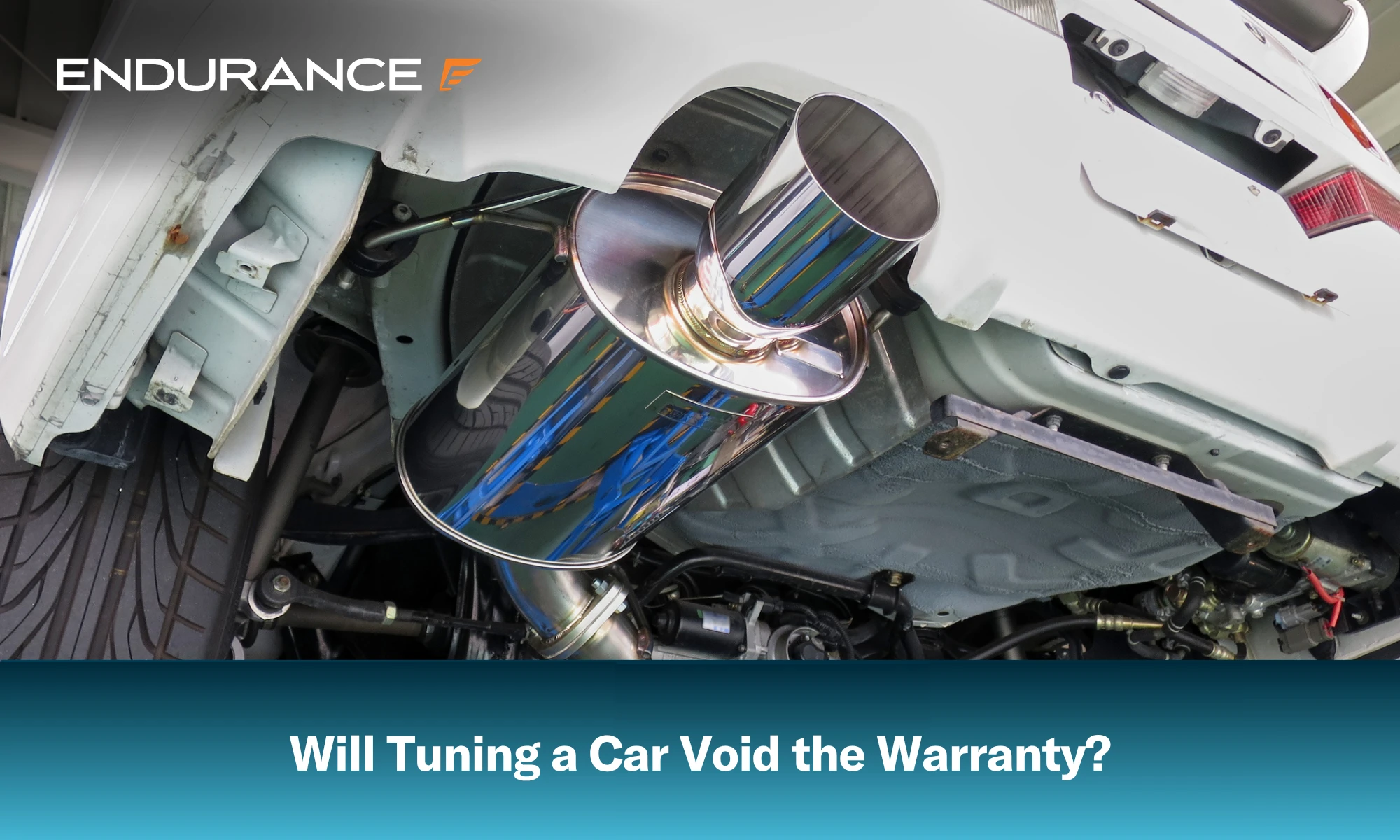
If you’ve ever modified a car or thought about it, you’ve also probably wondered whether it would cost you your warranty. The short answer is: not right away. However, it will depend on what you changed and what breaks. Under federal law, a dealer or manufacturer cannot blanket void warranty plans just because you installed an aftermarket part.
They can deny a specific claim, though, if they can show your modification caused or contributed to the failure. Understanding this distinction matters so that you don’t accidentally change something on your vehicle that may impact future warranty claims.
What Magnuson-Moss Actually Says (and What It Doesn’t)
El Ley de garantía Magnuson-Moss is the federal law that governs consumer product warranties in the United States. It’s also the main line of protection for anyone who chooses to modify their vehicle. This act prohibits manufacturers from voiding a warranty solely because an aftermarket tune happened, unless they can prove that the change caused the damage.
Disputes can become more complicated once a vehicle has been modified. If a claim is questioned, the manufacturer or warranty provider may evaluate whether the modification caused or contributed to the failure. If you have a modified car and something goes wrong, it’s best to expect the dealership service department to conduct an investigation before approving a claim. The same is true for third-party warranty or vehicle service contract issuers.
Warranty providers don’t need to prove beyond all doubt that a tuned part caused the problem. They need to demonstrate a reasonable connection between the modification and the failure—essentially that they may deny coverage or a claim if they determine the modification caused or contributed to the failure, consistent with the contract terms.
The law helps protect consumers, but not every claim will be covered if a modification contributed to the problem. Before tuning your car, understand how different modifications (or mods) may affect your coverage.
Modifications That Carry the Highest Claim Denial Risk
Alguno modifications are hard to argue because they have a direct impact on the systems the manufacturer engineered and warranted. To that end, the highest-risk upgrades include:
- ECU tunes and engine management reflashes: These modifications often change the ignition timing, fuel maps, and boost targets that the factory calibrated. When a powertrain component fails, a modified ECU calibration is the first thing a warranty provider may point to.
- Aftermarket turbo or supercharger kits: Adding boost to a naturally aspirated engine can put a certain load on components that weren’t meant to have it. Connecting rod failures, oil issues, and head gasket problems may all be fair game for a denial.
- Emissions-related modifications: Deleting or bypassing catalytic converters, EGR systems, or DPFs can create obvious compliance issues and make details easy.
The common thread is that all of these modifications change how the engine behaves under load. That can make it straightforward for a dealer to argue that the modification and failure are related.
Modifications That Typically Don’t Affect Coverage
Not every modification will cause an automatic warranty denial. Several common upgrades are unlikely to trigger a denied claim:
- Cosmetic changes, including wraps, new wheels, interior upgrades, and body kits that don’t touch drivetrain components
- Suspension upgrades on non-adaptive systems, like coilovers or upgraded sway bars, may be low risk
- Exhaust modifications occurring downstream from the catalytic converter are hard to tie to mechanical failures
- Bolt-on intake systems, such as a cold air intake or short ram, may affect intake noise or airflow, but it’s rarely a basis for a powertrain warranty denial on their own
The pattern with the above is that they don’t alter engine management or emissions compliance. If your warranty claim is for a failed wheel bearing or a faulty infotainment screen, an exhaust upgrade problem won’t be a factor in an approval or denial decision.
One exception worth noting is that any modification that alters emissions compliance can create problems in states with strict inspection requirements. Even if your warranty is free and clear, failing a smog test adds an extra layer of trouble.
How Factory Warranty vs. VSC Providers Handle Tuning Differently
Factory warranties and contratos de servicio de vehículos (VSCs) both cover mechanical failures, but they handle modified vehicles in a meaningfully different way. Manufacturer dealers have diagnostic tools that go well beyond a visual inspection. Most modern vehicles log an ECU flash counter, which is essentially a record of how many times the factory calibration has been written, overwritten, or altered.
This means that if you flashed the ECU, drove for a year, and then refreshed it back to stock before a dealer visit, the change would still be logged. Dealers at brands like Subaru, Vado, Audi, y toyota routinely check these records before approving claims.
VSC providers work a little differently. Vehicle service contract providers may evaluate a vehicle during the enrollment process, and coverage eligibility can depend on the vehicle’s condition and any disclosed modifications.
Many plans will exclude coverage for vehicles with existing performance modifications, or they’ll limit coverage to unaffected components. The terms vary significantly by provider and plan tier, which is why you need to read the fine print before signing.
Puede review sample contracts from Endurance to get a sense of how modification exclusions are typically structured.
How to Protect Yourself If You Plan to Modify
If you’re going to modify your vehicle anyway and care about protecting your coverage, a few best tips can make a real difference:
- Document everything by keeping receipts, installation records, and any dyno or diagnostic data from before and after the modification
- Read your warranty or VSC terms carefully before modifying
- Don’t assume a reverse tune will make your vehicle safe for coverage, as the ECU often doesn’t erase its history
- Understand the causal standard that a warranty denial requires a connection between the modification and the failure
How Endurance Handles Modified Vehicles
For drivers with modifications, the most important step with any VSC is transparency upfront. Servicios de garantía Endurance evaluates vehicles during the enrollment process, and the coverage eligibility will depend on the type and extent of modifications present. The straightforward move is to disclose your modifications when exploring a plan, confirm what’s covered under the tier you’re interested in, and understand any exclusions before confirming.
Discovering a gap at the time of claim submission is a lot more frustrating than having the conversation before you sign up. Endurance offers several coverage plan options ranging from powertrain-focused protection to more comprehensive coverage options.
También puedes explore our Vehicle Guides and learning center to dive more into how specific upgrades can interact with your coverage.
Keeping Your Vehicle Protected
Tuning your car doesn’t automatically void your warranty, but it can affect coverage if a modification causes or contributes to a repair. The law provides important protections for consumers, but it’s still important to understand how your modifications may impact warranty or vehicle service contract claims. Before making changes, review your coverage, keep records of your modifications, and save any installation documentation.
If you’re looking to extend your auto protection or clarify what’s covered on a modified vehicle, it’s worth understanding your coverage before you need it. Contact an Endurance specialist at (800) 253-8203 or request a Presupuesto por correo electrónico GRATIS. Tú también puedes ver tu precio y obtenga recomendaciones de planes de inmediato a través de nuestra práctica tienda en línea.
Más como esto
-
-
-
 Garantía extendida
¿Merece la pena contratar un servicio de mantenimiento para un coche con entre 80.000 y 120.000 millas?
Leer másA medida que los vehículos envejecen y se acumulan los kilómetros, los propietarios de automóviles pueden esperar que las necesidades de reparación sean más frecuentes. Una vez que su...








Con más de tres décadas de experiencia profesional en la industria automotriz, Darío aporta una gran cantidad de conocimientos y experiencia al equipo de Endurance. Es oriundo de Argentina, donde recibió su formación técnica y estudió ingeniería mecánica. Leer más Acerca de Dario.