

¡Consigue esta oferta! Llama ahora.
Hable con un especialista en planes de protección de vehículos y obtenga $300 apagado cualquier nuevo contrato al instante.
Llamar 866-678-4172
o escanea el código a continuación


No le hagas caso a quien diga que no hay razón para cambiar el aceite. No sabemos de dónde viene este mito, pero muchos lectores nos han preguntado en ShopTalk si realmente es necesario cambiar el aceite o simplemente rellenarlo cuando el nivel baja. Claro que es importante cambiar el filtro y rellenar el aceite de vez en cuando. Pero es innegable que el aceite se degrada y pierde las propiedades físicas y químicas necesarias para funcionar correctamente en tu coche. Por eso es importante cambiar el aceite regularmente.
Si realmente quieres hacer tu parte en mantenimiento de su coche Para que dure todo el tiempo que quieras y necesites, la solución es sencilla: cambia el aceite. Si no te sientes cómodo haciéndolo tú mismo o no quieres intentar seguir un tutorial, acude a tu mecánico o taller de cambio rápido de aceite más cercano. Asegúrate de ir a un proveedor de confianza, ya que un taller barato que usa aceite de mala calidad puede causar muchos más daños y costar mucho más a largo plazo.
Incluso con los avances modernos de la ingeniería química y la ciencia moderna, todavía hay algunas cosas que ni siquiera las personas más inteligentes han logrado descifrar, como por ejemplo, cómo fabricar un aceite que nunca se degrade. Si ya lo lograron, obviamente nos lo han estado ocultando durante años. Sin embargo, también es innegable que el aceite de motor actual es mejor que nunca. El desarrollo de aceite sintético Ha supuesto una contribución tremenda al mundo del automóvil. Con el aceite sintético, muchos coches pueden recorrer entre 10.000 y 15.000 millas al año entre cambios.
Hace unas décadas, más o menos unos 30 años, era absolutamente necesario cambiar el aceite cada 3000 millas. Todavía se recomienda hacerlo, pero ya no es algo que genere pánico hasta el punto de pensar "hazlo o le pasará algo terrible a tu coche".
En Endurance no nos dedicamos a dar lecciones de ciencia, pero aquí les presentamos un par de datos sencillos que deben saber sobre el aceite de motor. Con el uso, las moléculas que lo componen comienzan a cambiar de estructura. El aceite está formado por hidrocarburos, los cuales cumplen la importante función de amortiguar y lubricar las partes metálicas del motor.
Estos componentes están constantemente rozándose entre sí, generando fricción y un calor abrasador. Sin embargo, es precisamente ese calor y esa fricción lo que provoca que las moléculas se rompan. Al romperse, el aceite deja de cumplir su función, lo que puede convertirse en un grave problema.
¿Conoces esa sustancia oscura y viscosa que se acumula en el compartimento del motor de tu coche? No es aceite de motor propiamente dicho, sino lodo inservible que alguna vez fue aceite. El calor, la fricción y el oxígeno ambiental afectan la composición del aceite de motor. Aumentan su acidez y viscosidad, lo que genera residuos y barniz innecesarios en el motor. Por eso, añadir un litro de aceite nuevo al coche prácticamente no sirve de nada.
Cambiar los filtros y rellenar el aceite del coche es como intentar arreglar una bisagra con hilo. En el mejor de los casos, es una solución temporal. Añadir más aceite o aceite nuevo no mejora el aceite viejo, degradado y muy ácido/corrosivo que aún queda. De hecho, no solo no has solucionado el problema del aceite viejo, sino que has estropeado el aceite bueno. Ahora tienes aceite en mal estado. ¡Qué lástima!.
Asimismo, un filtro nuevo atrapará cualquier partícula peligrosamente grande (como piedras o insectos) que se encuentre en el aceite durante su circulación. Sin embargo, el filtro no puede eliminar las moléculas rotas. Esperamos poder aclarar de una vez por todas que es importante cambiar el aceite con frecuencia y no usar ni reutilizar aceite usado de baja calidad.
Al fin y al cabo, el aceite de motor no es aceite de oliva. No puedes simplemente guardar las sobras para otro día. Y reconstruir un motor cuesta más que los cambios de aceite de una década juntos, ¡así que no seas tonto y cambia el aceite!
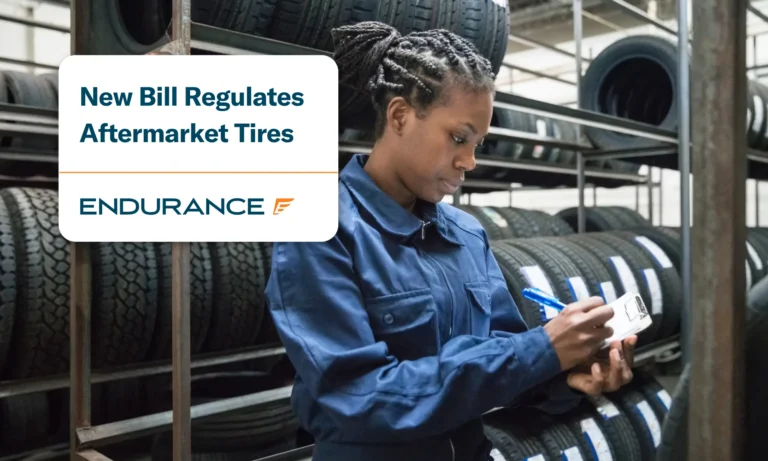
En agosto de 2026, la Comisión de Energía de California (CEC) aprobó el Programa de Eficiencia de Neumáticos de Reemplazo, el primer estándar de eficiencia del país para...

Hemos recibido la información de su vehículo y nos comunicaremos con usted en breve con su cotización.
- O -
Comience a buscar un plan de cobertura ahora.


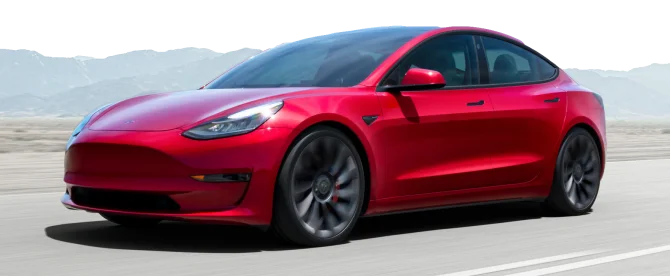
Estamos aquí para asegurarnos de que obtenga la protección EV más completa. Por eso nos hemos asociado con Xcelerate automático para ofrecerle una cobertura Tesla transparente y confiable.
¿Quiere que nos comuniquemos con usted acerca de la cobertura XCare para su Tesla?

Su protección es nuestra principal prioridad. Su cotización está en proceso y usted
recibirá un correo electrónico de confirmación en breve.

Hable con un especialista en planes de protección de vehículos y obtenga $300 de descuento en cualquier contrato nuevo al instante.
¡$300 de descuento + Beneficios Elite GRATIS durante 1 año!
Al hacer clic en el botón, acepta que Endurance utilice tecnología automatizada para llamarlo, enviarle un correo electrónico y enviarle mensajes de texto utilizando la información de contacto anterior, incluido su número de teléfono móvil, si se proporciona, con respecto a la protección del automóvil o, en California, el seguro contra averías mecánicas. También acepta el Endurance política de privacidad y Términos y condiciones. El consentimiento no es una condición de compra y puede retirar el consentimiento en cualquier momento. Se pueden aplicar tarifas por mensajes y datos.
Hable con un especialista en planes de protección de vehículos y obtenga $300 apagado cualquier nuevo contrato al instante.
Llamar 866-678-4172
o escanea el código a continuación

Simplemente complete la información a continuación y le daremos seguimiento rápidamente con su cotización gratuita y sin compromiso.
Al hacer clic en el botón, acepta que Endurance utilice tecnología automatizada para llamarlo, enviarle un correo electrónico y enviarle mensajes de texto utilizando la información de contacto anterior, incluido su número de teléfono móvil, si se proporciona, con respecto a la protección del automóvil o, en California, el seguro contra averías mecánicas. También acepta el Endurance política de privacidad y Términos y condiciones. El consentimiento no es una condición de compra y puede retirar el consentimiento en cualquier momento. Se pueden aplicar tarifas por mensajes y datos.

Para hablar con un especialista en planes de protección de vehículos y obtener $300 Cancelar cualquier nuevo contrato al instante
Escanee el código a continuación


Alex ha trabajado en la industria de servicios automotrices durante más de 20 años. Luego de graduarse de una de las mejores escuelas técnicas del país, se desempeñó como técnico logrando la certificación de Maestro Técnico. También tiene experiencia como asesor de servicios y gerente de servicios. Leer más sobre alex