

Costo de reemplazo del cuerpo de aceleración: qué puede esperar
Imagínate esto: tu coche titubea al arrancar, da tirones al ralentí o se cala al reducir la velocidad gradualmente hasta detenerse. Lleva tu vehículo al taller., y se diagnostica un problema en el sistema de suministro de combustible. Tras cambiar un sensor, vuelves a casa, pero los síntomas reaparecen en apenas un par de semanas.
Si te has encontrado en esta situación, es posible que el problema no fuera el suministro de combustible en absoluto, sino más bien el cuerpo del acelerador. Este es un componente que a menudo se pasa por alto hasta que el problema es imposible de ignorar. Teniendo en cuenta que limpiar este sistema puede costar entre $100 y $200 y Su reemplazo completo puede costar entre $600 y $800., Si bien no es un problema mayor en el caso de los vehículos de lujo, tampoco es algo que se deba ignorar.
Entender dónde se ubica su vehículo dentro de esos rangos de precios comienza por saber qué es lo que El cuerpo de aceleración en realidad sí lo hace. y por qué podría fracasar.
¿Qué hace el cuerpo de aceleración y por qué falla?
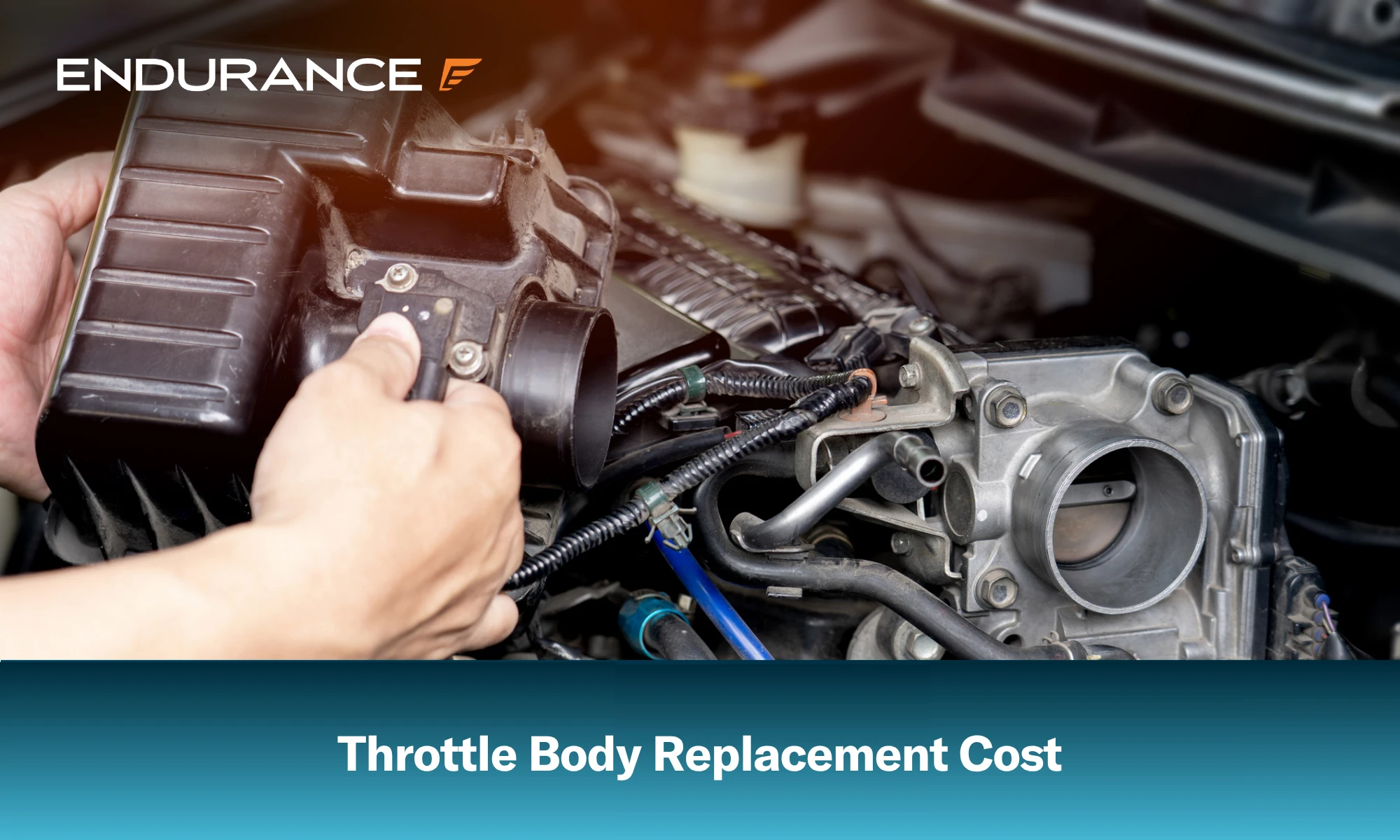
Para aquellos que no estén familiarizados, el cuerpo de aceleración es la puerta de entrada entre el filtro de aire y su motor. Tradicionalmente, alberga una válvula de mariposa única, esencialmente un disco giratorio que se abre al pisar el acelerador, lo que determina la cantidad exacta de aire que entra en la cámara de combustión. La computadora del motor lee ese flujo de aire y ajusta la inyección de combustible en consecuencia, lo que convierte al cuerpo de aceleración en un elemento fundamental para la potencia y la eficiencia del automóvil.
Los vehículos modernos utilizan lo que se conoce como sistema de control electrónico (drive-by-wire), o un control electrónico del acelerador. En esta configuración, la válvula se controla mediante un motor actuador en lugar de un cable. Es una configuración más sensible y precisa, pero también introduce más componentes que pueden degradarse con el tiempo. Tres de las causas más comunes de problemas en el cuerpo del acelerador incluyen:
- Acumulación de carbono: Los subproductos de la combustión y los vapores de aceite del sistema PCV de su automóvil pueden recubrir la mariposa de admisión con el tiempo, lo que provoca que la válvula se atasque e interrumpa el flujo de aire.
- Degradación del sensor: La mayoría de los cuerpos de aceleración modernos tienen un sensor de posición del acelerador integrado directamente en la unidad, pero a medida que el sensor se desgasta, puede enviar lecturas inexactas a la computadora y producir una respuesta errática del acelerador.
- Desgaste del motor del actuador: En los sistemas de control electrónico (drive-by-wire), el motor eléctrico que abre y cierra la válvula puede desgastarse con un mayor kilometraje.
Abordar los problemas del cuerpo de aceleración a tiempo puede ayudar a prevenir problemas de conducción más extensos, por eso reconocer las señales de advertencia de fallo Es crucial empezar pronto.
Señales de advertencia que los propietarios no deben ignorar
Los síntomas relacionados con el cuerpo de aceleración pueden interpretarse erróneamente con facilidad, ya que imitan otros problemas comunes del automóvil. Problemas de presión de combustible, fugas de vacío, sensores sucios e incluso bujías defectuosas pueden presentar síntomas similares. Esta superposición de síntomas es precisamente la razón por la que se producen diagnósticos erróneos. Sin embargo, preste mucha atención a lo siguiente:
- Ralentí irregular o inestable: Las fluctuaciones notables de las RPM, incluso cuando el coche está aparcado, son una señal de advertencia clave.
- Vacilación al acelerar: Si el motor se ahoga antes de responder a la entrada del acelerador, es otro indicador potencial.
- Retraso: Sobre todo al desacelerar, detenerse o en tráfico lento, que el motor se cale debería llamar la atención.
- Luz de advertencia del motor: A menudo acompañado de códigos como P0507 (ralentí alto) o P2111 (control del actuador del acelerador), la luz de verificación del motor puede ser un indicador
- Respuesta reducida del acelerador: No debe pasarse por alto una lentitud progresiva que empeora a lo largo de semanas o meses.
Cabe destacar que el sensor de posición del acelerador El fallo produce un perfil de síntomas casi idéntico. En vehículos más antiguos, donde el sensor TPS es un componente independiente y reemplazable, cambiarlo podría solucionar el problema sin necesidad de manipular el cuerpo de la mariposa. Sin embargo, en sistemas más modernos, el sensor está integrado en la carrocería, lo que significa que un sensor defectuoso podría requerir un reemplazo completo.
Limpieza del cuerpo de aceleración vs. reemplazo
No todos los problemas del cuerpo de aceleración requieren una pieza nueva. Elegir la Una mala reparación puede, de hecho, hacer perder dinero. En cualquier dirección. La limpieza del cuerpo de aceleración, que suele costar entre 100 y 200 THB, soluciona principalmente la acumulación de carbonilla en una unidad mecánicamente en buen estado. En esta reparación, el técnico retira el conducto de admisión, limpia la mariposa y vuelve a instalar todo. En vehículos con motores accesibles, el trabajo se puede realizar en menos de una hora.
Por otro lado, un reemplazo completo del cuerpo del acelerador puede costar hasta $800 con piezas y mano de obra combinadas. Si el actuador o el sensor han fallado, o si la limpieza no resuelve el problema, este paso puede ser necesario. Un paso que se suele omitir es el procedimiento de reaprendizaje del cuerpo de aceleración. Tras el reemplazo y, a veces, tras la limpieza, la computadora del motor necesita recalibrar sus ajustes de flujo de aire de ralentí.
Si omite este paso, es posible que vuelva a experimentar el ralentí irregular y las fluctuaciones de potencia iniciales. Lo mejor es consultar con su taller mecánico si este paso está incluido en el precio de reemplazo cotizado.
¿Qué factores influyen en el rango de precios?
Existen varias variables que pueden hacer que el coste final de la reparación se sitúe en el extremo inferior o superior del rango previsto:
- Sistemas electrónicos frente a sistemas accionados por cable: Los vehículos más antiguos con cuerpos de aceleración accionados por cable son más fáciles de reparar y sus piezas suelen ser económicas, pero los cuerpos de aceleración electrónicos integran múltiples componentes electrónicos, lo que hace que el trabajo requiera de $600 a $800 en muchas plataformas.
- Piezas originales frente a piezas de recambio: Las piezas originales del fabricante están diseñadas para cumplir con las especificaciones de fábrica y cuentan con la garantía del fabricante, pero su precio es considerablemente mayor. Los cuerpos de aceleración del mercado de repuestos son más económicos y suelen tener un rendimiento similar, aunque la calidad varía según la marca.
- Marca y modelo del vehículo: Un cuerpo de aceleración para un sedán convencional puede costar entre $250 y $400 solo en piezas, pero los vehículos de lujo, turboalimentados o de alto rendimiento suelen utilizar conjuntos más complejos que cuestan entre dos y tres veces más.
- Costes de diagnóstico: Si la visita se debió a que se encendió la luz de advertencia del motor, espere un cargo de diagnóstico de entre $80 y $150 o más, además de la reparación en sí, dependiendo del taller y la ubicación.
Naturalmente, pagar cientos de dólares por una reparación Esto puede suponer una carga para el presupuesto. Contar con algún tipo de ayuda, como un contrato de mantenimiento del vehículo, puede ser de gran utilidad.
Cómo se aplica la cobertura de la garantía extendida
Si tienes una garantía extendida o contrato de servicio del vehículo, el reemplazo del cuerpo del acelerador es uno que querrá verificar para ver si está cubierto. Esta cobertura dependerá en gran medida de la Nivel del plan que usted tiene. La cobertura para las reparaciones del cuerpo de aceleración varía según el proveedor y los términos del contrato. Algunos planes de nivel medio y superior pueden incluir los componentes del cuerpo de aceleración entre las piezas cubiertas.
Planes de nivel básico que solo cubren el tren motriz, que normalmente cubren los componentes internos del bloque del motor, transmisión, y el sistema de transmisión, a menudo excluyen por completo componentes de admisión de aire como el cuerpo del acelerador.
Si usted Contratar un plan de protección Endurance, revise la lista de componentes de su plan específico o Contáctanos directamente para confirmar la cobertura antes de su cita de reparación.
Mantén tu coche en movimiento con Endurance.
Los problemas en el cuerpo de aceleración son comunes y a menudo se diagnostican erróneamente, pero casi siempre tienen solución una vez identificados. La diferencia entre limpiar un sensor $100 y reemplazar uno $700 puede depender de la causa exacta de la falla y de la rapidez con que se detecte. Por eso, un escaneo de diagnóstico adecuado suele ser el mejor punto de partida, en lugar de algo que se deba omitir.
Si su coche tiene un ralentí irregular o titubea al acelerar, no dé por sentado que se debe a un problema con el sistema de combustible. Obtén los códigos y, si el cuerpo de la mariposa está implicado, utilice los rangos de precios anteriores para evaluar su presupuesto antes de dar su aprobación.
Para quienes buscan protección adicional en la carretera, contacten con un representante de Endurance en (800) 253-8203 para analizar las opciones del plan. También puede rápidamente ver tu precio y recomendaciones de planes en nuestra práctica tienda en línea.












Desde los 16 años, Keith ha estado inmerso en la industria automotriz, comenzando su carrera ayudando a su padre a reparar vehículos a una edad temprana. Keith ahora es dueño de su propio taller de reparación familiar certificado por ASE. A+ Cuidado del automóvilEn su tienda, se centra en construir relaciones de confianza con su comunidad a través de un servicio al cliente excepcional. Leer más Acerca de Keith.