



¡Consigue esta oferta! Llama ahora.
Hable con un especialista en planes de protección de vehículos y obtenga $300 apagado cualquier nuevo contrato al instante.
Llamar 866-678-4172
o escanea el código a continuación


Pocos vehículos en Historia del automóvil Llevan la mística del Ferrari 250 GTO de 1962. A menudo llamado el "Santo Grial" de Ferrari, este legendario coche de carreras rompió récords cuando un ejemplar se vendió por $51,7 millones en 2023, y más recientemente, en enero de 2026, cuando un "Bianco Speciale" alcanzó... $38,5 millones en subasta.
Con una producción extremadamente limitada y un pedigrí dominante en las carreras, el 250 GTO representa mucho más que un simple precio. Encarna la época dorada de Ferrari. ingeniería de deportes de motor, combinando rendimiento, innovación y exclusividad en una máquina que coleccionistas y entusiastas todavía veneran décadas después.
Si bien muchos tipos de autos coleccionables de alta gama han aumentado de valor en los últimos años, los 250 GTO ahora son únicos en su categoría. Para poner las cosas en perspectiva, hace 20 años, estos Ferraris se vendían por aproximadamente 10 millones de libras, una cifra que representa menos de una quinta parte de... $51,7 millones Récord de subasta pública establecido a finales de 2023.
Incluso en el mercado actual de 2026, el GTO sigue siendo el patrón oro de activos, con un raro ejemplar blanco que se vendió recientemente por $38,5 millones en Florida.
El Ferrari 250 GTO es un coche de carreras GT producido por Ferrari entre 1962 y 1964, diseñado específicamente para ser elegible para la categoría de Gran Turismo Grupo 3 de la FIA. El 250 GTO fue diseñado para competir con rivales como el Shelby Cobra, Jaguar E-Type y Aston Martin DP214.
El desarrollo del 250 GTO estuvo a cargo del ingeniero jefe de Ferrari, Giotto Bizzarrini. Aunque a Bizzarrini se le suele atribuir el diseño del 250 GTO, él y la mayoría de los demás ingenieros de Ferrari fueron despedidos en 1962 debido a una disputa con Enzo Ferrari. El desarrollo posterior del 250 GTO fue supervisado por el nuevo ingeniero Mauro Forghieri, quien colaboró con la firma italiana de diseño de automóviles Scaglietti para continuar el desarrollo de la carrocería.
Así pues, nadie puede atribuir el diseño de este coche a una sola persona. Treinta y seis de estas maravillas mecánicas se fabricaron entre 1962 y 1964. De los 36 existentes, 33 tenían la carrocería de 1962-63 (Serie I), mientras que los tres restantes tenían la carrocería de la Serie II de 1964, similar a la del Ferrari 250 LM y tres modelos especiales “330 GTO” con un motor más grande.
Hablando de su gran motor, Descubrirás que esta bestia luce algo feroz pero a la vez elegante. La mecánica del 250 GTO era, de hecho, conservadora para la época, ya que utilizaba componentes de motor y chasis probados en anteriores coches de competición.
El chasis del coche se basó en el del 250 GT SWB, con ligeras diferencias en la estructura y geometría del bastidor para reducir el peso, reforzar el chasis y bajar el centro de gravedad. El coche se construyó sobre un bastidor de tubo ovalado soldado a mano, con suspensión delantera de trapecio, eje rígido trasero con articulación Watts, frenos de disco y llantas de radios Borrani.
El motor Era el Tipo 168/62 Comp. 3.0 L V12, utilizado en el 250 Testa Rossa. Era un diseño íntegramente de aleación con cárter seco y seis carburadores Weber 38DCN. Generaba aproximadamente 300 CV y era muy fiable, como lo demostraba su experiencia previa en competición con el Testa Rossa. La caja de cambios incorporaba una nueva unidad de 5 velocidades con sincronizador tipo Porsche.
Lo que realmente distingue a este coche es que ofrece mucho más que simplemente lo que se esconde bajo el capó. Bizzarrini se centró en la aerodinámica del coche para mejorar la velocidad máxima y la estabilidad.
El diseño de la carrocería se basó en pruebas en túnel de viento, así como en pruebas en carretera y en circuito con varios prototipos. La carrocería resultante, totalmente de aluminio, presentaba un frontal elegante, una pequeña entrada de radiador y distintivas tomas de aire con tapas extraíbles. Las primeras pruebas dieron como resultado la adición de un alerón trasero.
La parte inferior estaba cubierta por un faldón y contaba con un alerón adicional debajo, formado por la tapa del depósito de combustible. El diseño aerodinámico del 250 GTO supuso una importante innovación técnica en comparación con los Ferrari GT anteriores y estaba en consonancia con los desarrollos contemporáneos de fabricantes como Lotus.
Las carrocerías del 250 GTO fueron construidas por Scaglietti, a excepción de los primeros prototipos con carrocerías construidas internamente por Ferrari o Pininfarina (en el caso del s/n 2643 GT). Se produjeron automóviles en muchos colores, siendo el más famoso el famoso tono rojo brillante de Ferrari, a menudo citado como "Rosso Cina", aunque un raro "Bianco Speciale" blanco único en su tipo fue noticia con su venta en 2026.
Mientras tanto, el interior del coche, aunque no tan extravagante como el exterior, no es menos distintivo. El interior de un 250 GTO está diseñado para enfatizar su espíritu de competición.
Sorprendentemente, el panel de instrumentos no incluye un velocímetro tradicional. Los asientos están tapizados en tela y no hay alfombra ni tapizado del techo. La ventilación del habitáculo se realiza mediante entradas de aire exteriores. La compuerta metálica expuesta que define el patrón de cambios se convirtió en una tradición de Ferrari que se mantuvo en los modelos de producción hasta hace poco (debido a la exclusividad de las levas de cambio en toda la gama).
El rendimiento y el diseño único de este coche lo convierten en la envidia de muchos conductores y coleccionistas incondicionales.
En 2004, Sports Car International colocó al 250 GTO en el octavo puesto de la lista de los mejores deportivos de la década de 1960 y lo nominó como el mejor deportivo de todos los tiempos., Clásico de Motor Trend colocó al 250 GTO en primer lugar en una lista de los "Mejores Ferraris de todos los tiempos". Y con razón, ya que no es su rareza ni su precio lo que convierte a este coche en una leyenda, sino el legado que ayudó a asegurar a Ferrari.
Este coche Puso a Ferrari en el mapa como fabricante de vehículos de alto rendimiento y Máquinas de carreras. Se pueden ver fragmentos de la innovación del GTO abriéndose paso a través de cada generación de Ferrari posterior, como un niño que hereda el ADN de sus antepasados. Elegante, atractivo, actual y, sobre todo, precursor de lo que estaba por venir: el 250 GTO es, posiblemente, la estrella de la época dorada de Ferrari.
Autos legendarios como el Ferrari 250 GTO de 1962 nos recuerdan lo lejos que ha llegado la ingeniería automotriz y lo valiosos que pueden ser el rendimiento y la confiabilidad. la mayoría de los conductores No se almacenan Ferraris multimillonarios en garajes con clima controlado, protegiendo el vehículo En lo que confías cada día es igual de importante.
Si su garantía de fábrica está llegando a su fin, explore sus opciones de cobertura y conozca cómo una Contrato de servicio del vehículo Endurance puede ayudar a protegerse contra costos de reparación inesperados. Solicite una Cotización Gratis o visita nuestra tienda online para ver tu precio y recomendaciones de planes al instante.

Hemos recibido la información de su vehículo y nos comunicaremos con usted en breve con su cotización.
- O -
Comience a buscar un plan de cobertura ahora.


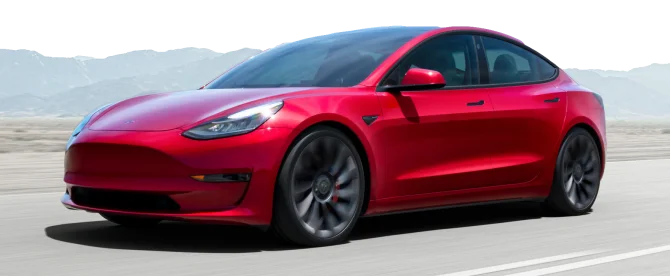
Estamos aquí para asegurarnos de que obtenga la protección EV más completa. Por eso nos hemos asociado con Xcelerate automático para ofrecerle una cobertura Tesla transparente y confiable.
¿Quiere que nos comuniquemos con usted acerca de la cobertura XCare para su Tesla?

Su protección es nuestra principal prioridad. Su cotización está en proceso y usted
recibirá un correo electrónico de confirmación en breve.

Hable con un especialista en planes de protección de vehículos y obtenga $300 de descuento en cualquier contrato nuevo al instante.
¡Llama y obtén un descuento de $300 en cualquier plan nuevo!
Al hacer clic en el botón, acepta que Endurance utilice tecnología automatizada para llamarlo, enviarle un correo electrónico y enviarle mensajes de texto utilizando la información de contacto anterior, incluido su número de teléfono móvil, si se proporciona, con respecto a la protección del automóvil o, en California, el seguro contra averías mecánicas. También acepta el Endurance política de privacidad y Términos y condiciones. El consentimiento no es una condición de compra y puede retirar el consentimiento en cualquier momento. Se pueden aplicar tarifas por mensajes y datos.
Hable con un especialista en planes de protección de vehículos y obtenga $300 apagado cualquier nuevo contrato al instante.
Llamar 866-678-4172
o escanea el código a continuación

Simplemente complete la información a continuación y le daremos seguimiento rápidamente con su cotización gratuita y sin compromiso.
Al hacer clic en el botón, acepta que Endurance utilice tecnología automatizada para llamarlo, enviarle un correo electrónico y enviarle mensajes de texto utilizando la información de contacto anterior, incluido su número de teléfono móvil, si se proporciona, con respecto a la protección del automóvil o, en California, el seguro contra averías mecánicas. También acepta el Endurance política de privacidad y Términos y condiciones. El consentimiento no es una condición de compra y puede retirar el consentimiento en cualquier momento. Se pueden aplicar tarifas por mensajes y datos.

Para hablar con un especialista en planes de protección de vehículos y obtener $300 Cancelar cualquier nuevo contrato al instante
Escanee el código a continuación


Alex ha trabajado en la industria de servicios automotrices durante más de 20 años. Luego de graduarse de una de las mejores escuelas técnicas del país, se desempeñó como técnico logrando la certificación de Maestro Técnico. También tiene experiencia como asesor de servicios y gerente de servicios. Leer más sobre alex