

Get this deal! Call now.
Speak with a vehicle protection plan specialist and get $300 off any new contract instantly.
Call 866-678-4172
or scan the code below


You purchased a new car for many reasons, but mainly because of the factory warranty. Repair bills can be scary, and you don’t want to face these worries for at least a few years. But time flies. The original bumper-to-bumper warranty just expired, and now your car is only protected by the powertrain warranty that ends in two years. The logical question is whether now is the time to add an extended auto warranty (also called a vehicle service contract) or if waiting is the better option.
The answer depends on timing. An extended warranty or auto protection plan can fill in coverage gaps, especially if the factory bumper-to-bumper warranty has lapsed. Also, the newer your vehicle is, the cheaper aftermarket protection tends to be. In addition, enrolling earlier may result in lower pricing than waiting until the vehicle has accumulated additional mileage
Still, delaying an extended warranty can make sense if the original bumper-to-bumper coverage is still active. The challenge is being aware of when that blanket protection ends. Some owners incorrectly assume that the powertrain warranty, which usually has longer terms, provides the same level of coverage when, in reality, it only covers major mechanical components and excludes systems like air conditioning, electronics, and suspension.
To make the decision process clearer, we’ll outline when to make the call to enroll or wait. You’ll learn what your current warranty covers, its specific exclusions, and the most vulnerable systems in your car.
The best way to think about factory-backed protection is to separate the coverage into two categories: bumper-to-bumper and powertrain. Let’s see how this car warranty comparison stacks up.
| Factory Bumper-to-Bumper | Factory Powertrain | |
| Typical Coverage Period (varies by automaker) | 3 years or 36,000 miles | 5 years or 60,000 miles |
| Coverage Areas | Almost all vehicle components, except for wear and tear items (such as brake pads and wiper blades). | Major mechanical systems associated only with the engine, transmission, and drive axle. |
So, there are two gaps to consider: timeframe and coverage areas. The full benefits of the bumper-to-bumper warranty last for a much shorter period. If an air conditioning compressor, power steering pump, or infotainment touchscreen fails during the initial protection window, the manufacturer pays for the repairs. However, once coverage expires, even if the powertrain warranty is in force, the same repairs are the owner’s responsibility. Assuming everything is still under warranty—when only a powertrain warranty is active—can lead to an expensive surprise after a breakdown.
While most mainstream brands offer 3/36 and 5/60 coverage, some automakers extend protection as a competitive advantage.
Here’s how these outliers compare:
| Brand | Bumper-to-Bumper Coverage | Powertrain Coverage |
| Hyundai | 5 years/60,000 miles | 10 years/100,000 miles* |
| Genesis | 5 years/60,000 miles | 10 years/100,000 miles* |
| Kia | 5 years/60,000 miles | 10 years/100,000 miles* |
| Mitsubishi | 5 years/60,000 miles | 10 years/100,000 miles* |
| Ram | 3 years/36,000 miles | 10 years/100,000 miles^ |
| Volkswagen | 4 years/50,000 miles | 4 years/50,000 miles (overlaps with the bumper-to-bumper warranty) |
* The 10-year powertrain warranty from Hyundai, Kia, and Mitsubishi applies only to the original owner. For subsequent owners, the powertrain warranty is reduced to 5 years/60,000 miles—the same term as the bumper-to-bumper coverage.
^ Starting with the 2026 model year, Ram includes a 10-year/100,000-mile powertrain warranty for original owners only. Protection for subsequent owners drops to 5 years or 60,000 miles (5 years/100,000 miles for diesel engines).
A 10-year powertrain warranty is certainly appealing, but it offers no protection against mechanical failures outside the engine, transmission, or drivetrain after the basic coverage period ends. Indeed, a longer factory warranty can delay a decision on a vehicle service contract (VSC), but it doesn’t eliminate the need for one.
Automakers make warranty math easy: 36,000 miles of coverage averages out to 12,000 miles per year. Most powertrain warranties (5 years/60,000 miles) work out to the same 12,000 miles annually, while extended 10-year/100,000-mile powertrain warranties average 10,000 miles per year. However, these numbers don’t always reflect reality. According to the Federal Highway Administration, the average American drives about 13,500 miles annually.
As a result, the actual length of factory protection may be shortened. These warranties are based on time or mileage, whichever comes first. So, someone who drives 13,500 miles per year would only be covered for 2 years and 8 months. The standard 5/60 powertrain warranty would last for less than 4 years and 6 months. Coverage is even more abbreviated for drivers who average 15,000 miles each year.
Owners may have different reasons for adding an extended car warranty, but here are the most common influencers:
The more miles a car has, the greater the risk of repairs. Extended warranty companies take this fact of life into account when pricing coverage. Chances are, a car will be cheaper to protect at 55,000 miles than at 65,000 or 75,000. Delaying coverage may affect pricing and vehicle eligibility.
For many drivers with newer cars, there’s typically a two-year period when the only factory coverage is for the powertrain. As mentioned, the safeguards of the original bumper-to-bumper warranty no longer apply. While the engine or transmission is covered, the same can’t be said for other expensive-to-repair components, such as the steering, brakes, suspension, electrical, air conditioning, or cooling system. That’s a gap that some owners are unwilling to risk.
One of the fundamental characteristics of most aftermarket warranties is that pre-existing conditions are usually excluded. A problem that developed while the factory warranty was in place isn’t likely to be covered if it reoccurs after the factory warranty expires and only the extended warranty remains in place. Enrolling before a problem develops may help avoid questions related to pre-existing conditions.
A 10-year powertrain warranty may appear comprehensive, but it’s actually limited in terms of the entire vehicle. There’s no protection for dozens of expensive-to-repair systems, such as the air conditioning, suspension, cooling, brakes, or electrical. Kelley Blue Book says the average car repair bill is $838, and that doesn’t include regular car maintenance costs. Even a mid-tier extended warranty like Endurance Secure Plus can provide safeguards unavailable from a factory powertrain warranty. A top-line exclusionary plan, like Endurance Supreme, offers broad exclusionary-style coverage with fewer listed exclusions.
There’s no shortage of car warranty companies, like Endurance and CarShield, but what sets these providers apart is how they handle claims. Endurance is one of the few national providers that operates as a direct administrator for most contracts, which allows for clearer communication during the claims process because there is no middleman involved. Some auto protection plan companies rely exclusively on third-party administrators, which may complicate the claims process.
Let’s be upfront, there are situations where enrolling early in an extended warranty may not be the best move. If your car is less than halfway through its bumper-to-bumper coverage and shows no signs of problems, then the benefit of the extra protection will be limited. Out-of-pocket repair exposure may be lower while bumper-to-bumper coverage remains active.
Likewise, skipping a vehicle service contract makes sense if you plan to sell or trade the car before the bumper-to-bumper warranty runs out. The real question is when full coverage ends and repair risk starts to increase.
Purchasing an extended warranty is a financial commitment. So, you’ll want to spend time assessing your current situation and risk for repairs.
Identify the remaining time and mileage for the bumper-to-bumper and powertrain warranties.
If you’re not the original owner, confirm your eligibility for factory protection (generous powertrain warranties don’t usually apply to subsequent owners).
Consider your driving patterns. Extensive mileage, stop-and-go motoring, and extreme climates can take a toll and can place additional stress on vehicle components over time.
Estimate your car’s mileage when each factory coverage (bumper-to-bumper and powertrain) will end. How comfortable will you be at these points paying for repairs out of pocket?
Compile the results to determine when that low-risk window opens to greater vulnerability. This is also a good time to review your extended car warranty options to determine cost and coverage.
The decision to secure an auto protection plan before the factory warranty expires isn’t about replacing existing coverage. It’s about being prepared for what’s next. If you’re comfortable paying out-of-pocket for repairs, then supplementing a factory powertrain warranty may be off the table. On the other hand, if you’d like additional help managing unexpected repair costs, then signing a vehicle service contract early can deliver peace of mind and stability.
This is also the time to learn more about an Endurance Warranty plan. In addition to providing award-winning coverage, every plan includes 24/7 roadside assistance with towing, rental car reimbursement, trip interruption protection, and a 30-day money-back guarantee, all with a manageable deductible. Endurance allows plan holders to select any licensed facility for covered repairs, including dealership service departments and specialty repair shops.
Endurance customers are also eligible for a free year of Elite Benefits. Just pay a small activation fee to access perks worth up to $2,000. These extras include tire repairs and replacements, windshield coverage, collision repair reimbursement, and key fob replacement.
Find out about your auto protection options, ask for a FREE quote, or visit our online store to explore what Endurance offers with instant plan and pricing details. Endurance representatives are also available to answer questions and review custom coverage options, including protection for select luxury models and high-mileage vehicles. Call (800) 253-8203 for personalized help.
Read the Endurance blog to learn about maintenance tips, repair advice, warranty insights, and more.




We've received your vehicle information and will contact you shortly with your quote.
— OR —
Start shopping for a coverage plan now.


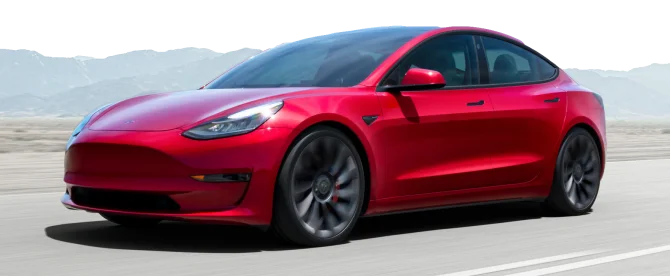
We're here to make sure you get the most comprehensive EV protection. That's why we've partnered with Xcelerate Auto to offer you transparent and dependable Tesla coverage.
Want us to contact you about XCare coverage for your Tesla?

Your protection is our top priority. Your quote is in progress and you will
receive a confirmation
email shortly.

Speak with a vehicle protection plan specialist and get $300 off any new contract instantly.
$300 off + FREE Elite Benefits for 1 year!
By clicking the button, you consent to Endurance using automated technology to call, email, and text you using the contact info above, including your wireless number, if provided, regarding auto protection or, in California, mechanical breakdown insurance. You also agree to the Endurance Privacy Policy and Terms and Conditions. Consent is not a condition of purchase, and you can withdraw consent at any time. Message and data rates may apply.
Speak with a vehicle protection plan specialist and get $300 off any new contract instantly.
Call 866-678-4172
or scan the code below

Simply fill out the information below and we will follow up fast with your free no-obligation quote.
By clicking the button, you consent to Endurance using automated technology to call, email, and text you using the contact info above, including your wireless number, if provided, regarding auto protection or, in California, mechanical breakdown insurance. You also agree to the Endurance Privacy Policy and Terms and Conditions. Consent is not a condition of purchase, and you can withdraw consent at any time. Message and data rates may apply.

To speak to a vehicle protection plan specialist and get $300 off any new contract instantly
Scan the code below


Dave is an automotive journalist combining a deep passion for cars, hands-on mechanical experience, and dealership insight. His writing primarily focuses on consumer auto advice and enthusiast pieces. A regular contributor to SlashGear.com and other leading automotive platforms, Dave earned his BA in Journalism from The George Washington University.