

Get this deal! Call now.
Speak with a vehicle protection plan specialist and get $300 off any new contract instantly.
Call 866-678-4172
or scan the code below

When searching for a used car, you want to know which vehicles and which model years should be avoided, no matter what. Six of the most common vehicles that have “years to avoid” searches on the Endurance website are the Ford Focus, Ford Fiesta, Jeep Renegade, BMW X3, Nissan Pathfinder, and Chevy Traverse. The buyers for these vehicles all have a common story in that they purchase the vehicle based on price or mileage, and then find out too late that the model has a history of transmission problems, electrical issues, or engine failures.
Most used car buyers do not do enough research when shopping for a vehicle, and this can end up being incredibly costly. While things like YouTube videos and used car ratings from major publications can be helpful, they can also hide the underlying issues that a vehicle has. Avoiding these serious problems, though, is not as difficult as it might seem.
By using a five-step method to check and compare used car reliability, you can learn about any potential issues before you sign on the dotted line and save yourself a lot of money in the long run.
The National Highway Traffic Safety Administration is your best bet for finding surface issues that a specific vehicle may have. All you have to do is enter the year, make, and model at NTHSA.gov, and you can view things like recalls, manufacturer info releases, and owner complaints that are categorized by particular components.
This is important information to have because complaint data can reveal emerging patterns with different model years of a vehicle. The 2012-2016 Ford Focus, for example, shows a number of complaints about transmission hesitation, shuddering, and loss of power, which signals a systemic problem that should be investigated further if you are thinking of buying one of these cars. Taking a few minutes to browse the NHTSA website can give you vital information that will point you in the right direction.
It is important to remember that many systemic car issues are limited to a specific model year or years. Sites like CarComplaints.com and the NHTSA database are incredibly powerful for finding out which model years have the most issues. The Ford Focus and Fiesta are great examples in that the years 2011-2016 have a concentrated spike in complaints involving the transmission. The CarComplaints website has excellent data to back this up, and it is incredibly easy to see where the issues lie.
The same goes for the Nissan Pathfinder. The 2013 to 2017 model years show many complaints with the continuously variable transmission. The Chevy Traverse shows a similar pattern of failure with the timing chain in the 2009 to 2014 model years. By looking at which particular model years have a concentration of problems with a single component, you can learn which years to avoid, even if you want to move forward with buying a make and model.
Once you know what kinds of repairs you can expect from each vehicle, the next step is to figure out how much they would cost to maintain. Every vehicle has its own annual repair and maintenance cost, and you can decide whether or not a vehicle is a good choice by comparing the different prices. This will give you a realistic cost of ownership for things like oil changes, transmission fluid flushes, and other repairs for each vehicle, and prevent surprises as the years go by and your upkeep and repair costs start to add up.
The BMW X3 has a much higher annual average repair cost than other SUVs, such as the Chevy Traverse. The X3 has an annual repair cost of $1,034, while the Traverse has an average yearly cost of $656. This step reframes your entire decision-making process and shows that just because a vehicle is cheaper upfront, it might not be cheaper over time. A vehicle with a high annual repair cost is much more likely to develop serious issues than a car with a lower one.
A vehicle history report is one of the most essential tools a buyer has when shopping for a used car. It is one thing to know what you can expect from a make and model, but it is another to know the ownership history of a single vehicle. Services like Carfax and AutoCheck, which run through Kelley Blue Book (KBB), will provide crucial information like accident history, service records, and ownership count.
While a vehicle history report can be helpful for finding out about a specific car, it will not tell you things like whether a vehicle has open recalls, what the problem areas are, or which model years you should avoid. This is why it is so crucial that you go through all the steps and make sure you have a complete picture of what you are getting into when you buy a used vehicle.
Thorough database research can be incredibly beneficial, but nothing is better than an actual physical inspection by a professional. You can usually get a pre-purchase car inspection for somewhere between $180 and $330, making it well worth the money if you can get the peace of mind you need before handing over the cost of the vehicle.
A pre-purchase inspection includes a test drive to check for things like worn brakes, suspension wear, fluid condition, tire age, and any diagnostic trouble codes. It can also help identify any early signs of potentially expensive problems down the line. Even if a vehicle doesn’t have a history of issues, a professional mechanic can tell if a problem is developing, and you can avoid making a big mistake that could end up costing you a fortune.
If you want to get a good grasp on how to properly research used cars, it can be helpful to see these five steps in action. This will help you understand just how quickly your buying decision can change once you have all the facts.
Both the Ford Focus and the Ford Fiesta are known to have transmission-related issues during the 2012 to 2016 model years. This is due to the PowerShift dual-clutch system. NHTSA complaints and CarComplaints data show these widespread issues, which make these vehicles incredibly high-risk unless the repairs have already been addressed.
The 2015 and 2016 Jeep Renegade has many complaints regarding its 9-speed automatic transmission. This includes symptoms like rough shifting and hesitation, which can be disruptive while driving and incredibly costly to repair.
While the BMW X3 is known for being a comfortable, luxurious SUV, it also has many issues with the N20 engine in the 2013 and 2014 model years. Specifically, there are problems related to the timing chain and failures that require a complete disassembly of the engine.
The 2013 to 2017 Nissan Pathfinder has a very strong pattern of problems related to the CVT. These include things like shuddering and acceleration problems. These issues are consistently reported on the NHTSA site as well as other consumer reports.
The 2009 to 2014 Chevy Traverse is another vehicle that shows frequent timing chain failures as well as problems with the A/C system. These complaints also seem to be clustered around a design-related issue as opposed to isolated cases, which is a good indicator that the vehicle should be avoided.
Once you have figured out which components are likely to break down in a vehicle, you then have to consider how you are going to handle them. If you have no choice but to purchase a used vehicle with a known issue, a protection plan like an extended car warranty or vehicle service contract (VSC) is a great option for keeping yourself and your bank account safe.
While a VSC does not eliminate the chance of a failure, it can reduce the financial impact if it happens. Since a used vehicle will most likely not be covered by the factory warranty anymore, you need to be sure that you have the protection you need. This is especially true for vehicles that have known issues with high-cost components like the transmission, engine, and electronics.
A service contract is one way to make your annual repair costs as predictable as possible and avoid unexpected repair bills as your vehicle ages.
If you have done your research and you understand the risks of the used vehicle you are thinking of buying, the next step is getting the protection you need. Endurance offers a wide range of auto protection plans for vehicles and drivers of all kinds, even those that other providers may not cover. This includes older high-mileage vehicles, luxury or exotic cars, Canadian Gray Market cars, vehicles with a rebuilt or salvage title, and vehicles used for rideshare or delivery.
On top of high-end protection, Endurance customers also get a collection of standard benefits to help keep them safe on the road. These include 24/7 roadside assistance, rental car coverage, and trip interruption protection. You also get access to a year of Elite Benefits, including tire repair or replacement, windshield coverage, and key fob replacement.
When you need to protect your used vehicle, get in touch with an Endurance plan advisor at (800) 253-8203 for your FREE quote. You can also shop online to get an instant price preview.
For more resources like this one, be sure to check out the Endurance Warranty blog. There, you will find provider comparisons, DIY tips, and much, much more.

We've received your vehicle information and will contact you shortly with your quote.
— OR —
Start shopping for a coverage plan now.


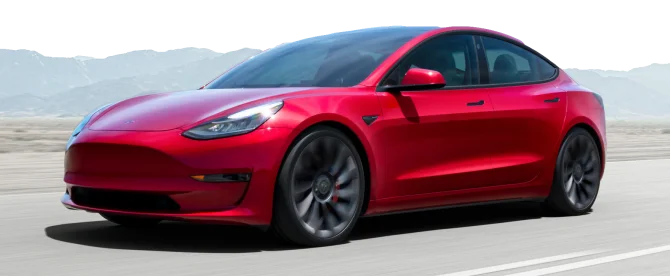
We're here to make sure you get the most comprehensive EV protection. That's why we've partnered with Xcelerate Auto to offer you transparent and dependable Tesla coverage.
Want us to contact you about XCare coverage for your Tesla?

Your protection is our top priority. Your quote is in progress and you will
receive a confirmation
email shortly.

Speak with a vehicle protection plan specialist and get $300 off any new contract instantly.
$300 off + FREE Elite Benefits for 1 year!
By clicking the button, you consent to Endurance using automated technology to call, email, and text you using the contact info above, including your wireless number, if provided, regarding auto protection or, in California, mechanical breakdown insurance. You also agree to the Endurance Privacy Policy and Terms and Conditions. Consent is not a condition of purchase, and you can withdraw consent at any time. Message and data rates may apply.
Speak with a vehicle protection plan specialist and get $300 off any new contract instantly.
Call 866-678-4172
or scan the code below

Simply fill out the information below and we will follow up fast with your free no-obligation quote.
By clicking the button, you consent to Endurance using automated technology to call, email, and text you using the contact info above, including your wireless number, if provided, regarding auto protection or, in California, mechanical breakdown insurance. You also agree to the Endurance Privacy Policy and Terms and Conditions. Consent is not a condition of purchase, and you can withdraw consent at any time. Message and data rates may apply.

To speak to a vehicle protection plan specialist and get $300 off any new contract instantly
Scan the code below


Justin Barrett, owner of Barrett Automotive shops in Eastanollee and Cornelia, Georgia, has nearly 20 years of experience in vehicle repair and diagnostics. Since founding his auto repair facilities with his wife in 2010, he has been dedicated to helping drivers with everything from routine maintenance to complex repairs. Read more about Justin.