

Get this deal! Call now.
Speak with a vehicle protection plan specialist and get $300 off any new contract instantly.
Call 866-678-4172
or scan the code below


Purchasing an extended warranty for your vehicle can be a long and somewhat confusing process, but it doesn’t have to be. Every driver must ask themselves a few simple questions:
Knowing what you are buying before you buy will allow you to make an informed decision and buy with confidence. For now, let us help you explain what exclusionary coverage is and your other warranty options.
Many drivers are a bit confused about which type of coverage they need for their vehicle. And the answer to this depends on each driver’s vehicle age, make, model, driving habits, and budget constraints. That said, there are four basic extended warranty or auto protection plan options: powertrain, stated component, exclusionary, and WRAP.
See more details about each option below, and continue scrolling even further to see what Endurance offers.
This contract will cover your basic components. These include the engine, transmission, drive axle, transfer unit, seals and gaskets, supercharger/turbocharger, etc. These components are what keep your car running.
For example, if your cooling unit went out, it may make for an unbearably hot summer, but your car’s main components would continue to run. Meaning your vehicle would still be able to drive. However, if one of the components covered by a Power Train contract were to break down, the car would not function properly. These parts listed for Power Train are not only the most important, but also the most expensive. This is why it is important to have them covered.
These contracts consist of a very long list of parts and components and include everything previously listed in the powertrain plan, plus a whole lot more. Items listed in a Stated Component contract include: Everything previously stated, air conditioner, brakes, cooling system, electrical components, front and rear suspension, fuel system, steering, etc.
As you can see, a Stated Component plan will cover your main components and then some. In fact, it covers a great deal of parts in your vehicle. This list of what is covered is truly pages long, and the mere paragraph I posted does not do it full justice. But to sum it up as simply as possible: If it is listed on the contract’s list of covered parts, then it is covered.
An exclusionary plan is considered the highest level of coverage available. Exclusionary coverage combines both previous levels, Power Train and Stated Component, and then some. However, it works slightly differently from the levels that precede it. Instead of listing what is covered by an Exclusionary plan, it lists what isn’t covered. These are called exclusions, which is where the plan got its name.
The reason exclusionary coverage is prepared in this manner is that it covers such a vast number of parts. To take the time and detail to list every item covered would take an obscene amount of time and span countless pages. So instead of taking all these painstaking hours to list everything this plan covers, if it isn’t listed in the “exclusions” list, it is covered.
When you purchase a new vehicle from the dealer, the manufacturer places an original warranty on the vehicle. This warranty is usually broken up into two installments: bumper-to-bumper and powertrain. The “bumper-to-bumper” part of your warranty is what covers your entire vehicle from main components such as the engine, transmission, and drive axle, to the lesser components such as your AC, fuel system, power locks and windows, etc.
But after a limited time, this bumper-to-bumper coverage expires, and your power train coverage kicks in. However, the powertrain coverage is identical to the coverage we mentioned earlier in the article; it only covers major components such as the engine, transmission, and transfer case.
You can purchase WRAP (or wrap-around) coverage to supplement this powertrain protection and protect the remaining components that the previous coverage did not cover. To put it simply, WRAP protection covers everything on your vehicle except the powertrain components already covered by the manufacturer.
Each of these types of auto protection is important in its own way, as they can protect your vehicle and your bank account from costly, unexpected repairs. But it is best to remember to purchase coverage from a respected and reputable company to ensure that claims are paid, customer needs are of the utmost importance, and that they are here to be in business for the long-run.


We've received your vehicle information and will contact you shortly with your quote.
— OR —
Start shopping for a coverage plan now.


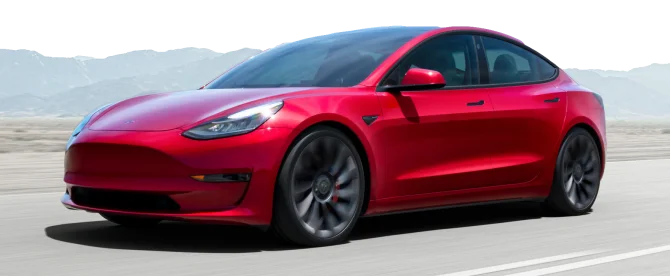
We're here to make sure you get the most comprehensive EV protection. That's why we've partnered with Xcelerate Auto to offer you transparent and dependable Tesla coverage.
Want us to contact you about XCare coverage for your Tesla?

Your protection is our top priority. Your quote is in progress and you will
receive a confirmation
email shortly.

Speak with a vehicle protection plan specialist and get $300 off any new contract instantly.
$300 off + FREE Elite Benefits for 1 year!
By clicking the button, you consent to Endurance using automated technology to call, email, and text you using the contact info above, including your wireless number, if provided, regarding auto protection or, in California, mechanical breakdown insurance. You also agree to the Endurance Privacy Policy and Terms and Conditions. Consent is not a condition of purchase, and you can withdraw consent at any time. Message and data rates may apply.
Speak with a vehicle protection plan specialist and get $300 off any new contract instantly.
Call 866-678-4172
or scan the code below

Simply fill out the information below and we will follow up fast with your free no-obligation quote.
By clicking the button, you consent to Endurance using automated technology to call, email, and text you using the contact info above, including your wireless number, if provided, regarding auto protection or, in California, mechanical breakdown insurance. You also agree to the Endurance Privacy Policy and Terms and Conditions. Consent is not a condition of purchase, and you can withdraw consent at any time. Message and data rates may apply.

To speak to a vehicle protection plan specialist and get $300 off any new contract instantly
Scan the code below


Alex has worked in the automotive service industry for over 20 years. After graduating from one of the country’s top technical schools, he worked as a technician achieving a Master Technician certification. He also has experience as a service advisor and service manager. Read more about Alex.