

Get this deal! Call now.
Speak with a vehicle protection plan specialist and get $300 off any new contract instantly.
Call 866-678-4172
or scan the code below


A vehicle warranty provides peace of mind, but this coverage doesn’t last forever. Most new cars come with a bumper-to-bumper warranty that lasts three years or 36,000 miles. A powertrain warranty that’s good for five years or 60,000 miles is usually part of the package. There’s also a federally mandated emissions warranty. Given that the average car on the road today is almost 13 years old and the typical driver travels almost 13,500 miles each year, there are millions of cars on the road without any protection against breakdowns.
Learning how to check if your car is still under warranty can prevent coverage gaps that could leave you responsible for thousands of dollars in unexpected repairs. All it takes is a quick lookup using the vehicle identification number (VIN). The manufacturer’s online owner tools or contacting a dealership service department can usually confirm whether the bumper-to-bumper, powertrain, or emissions warranty is still active and any remaining coverage period.
Determining the remaining coverage can help you decide whether repairs should be scheduled now or can wait for later. These details can also be a reminder to research long-term coverage before the factory protection ends.
Determining whether a vehicle is still under warranty requires examining the different types of coverage that comprise factory protection. These three main warranties have different expiration timelines.
A bumper-to-bumper warranty, sometimes called a basic limited warranty or a similar term, is the most comprehensive coverage. However, it typically has the shortest protection period but covers defects in materials or workmanship for more mechanical and electrical systems, including:
Normal wear-and-tear items, such as brake pads, tires, and windshield wipers, are generally excluded. Most bumper-to-bumper warranties don’t include maintenance services either.
While three years or 36,000 miles is most common for this type of coverage, some automakers offer different terms that may go longer.
Powertrain coverage often lasts longer because many of these components are the most expensive to repair. These safeguards often include:
Powertrain warranties typically last five years or 60,000 miles, though some manufacturers offer longer coverage.
Owners may focus on the bumper-to-bumper and powertrain warranties, unaware that the emissions warranty may remain active longer after those other warranties have expired. Federal law requires manufacturers to provide warranty protection for emissions-related components for two years or 24,000 miles, but a specific list of major components, including the catalytic converter and the engine control module (ECM), gets extended coverage of eight years or 80,000 miles. Other emissions parts, like oxygen sensors, get this same extended coverage in California and several states that follow California’s rules, though not everywhere under federal law alone.
Some states also require longer emissions warranty periods than federal law. Coverage varies by state, vehicle, and emissions certification.
Learning how to know if your car is still under warranty starts with two essential pieces of information:
The VIN is a unique 17-character identifier assigned to every vehicle sold in the U.S. since the 1981 model year. It’s usually located:
On newer vehicles, the VIN may also be available through the infotainment touchscreen or via the manufacturer’s smartphone app or owner portal.
The car’s original in-service date is just as important. It’s the exact day the vehicle was first sold or leased, not the day when a subsequent owner took possession. This marks the start of factory warranty coverage, which isn’t always clear to every used car shopper.
Confirming the initial in-service date with the manufacturer can provide additional assurance. Most automakers offer owners tools on their websites or mobile apps to access warranty information, maintenance schedules, recalls, and car service history.
Platforms like FordPass, MyChevrolet, and Kia Connect require owners to create a free account and register the car using its VIN. After registration, you may be able to see information about active warranty coverage. It’s often the fastest way on how to check car warranty because the information comes directly from the manufacturer.
Alternatively, reaching out to the manufacturer’s customer service department is another way to learn the in-service date and remaining warranty coverage.
If the automaker’s online resources can’t provide the needed warranty information, reach out to one of the brand’s authorized dealerships. A quick call to the service department can usually provide what you need to know; just have the VIN handy.
A service advisor can often tell you:
Pay attention to that last point, as manufacturers sometimes extend warranty coverage for specific components due to well-known reliability issues. Examples include expanded factory protection for certain cars with Hyundai’s Theta II engine or Ford’s PowerShift transmission.
If buying a used vehicle from a dealer or a private seller, make a point of verifying the promised factory warranty coverage with the manufacturer or an authorized dealer.
Reading the owner’s manual is ideal for learning more about general warranty information. You can find out precisely what the bumper-to-bumper warranty does and doesn’t cover. The same thing applies to other protections, such as the powertrain and emissions warranty.
However, the owner’s manual has limitations. It won’t tell you:
The only way to confirm these details is through the manufacturer’s owner portal or by contacting a dealership from the brand.
You’re in a fortunate position if you’ve confirmed the factory is still active, but the countdown continues. You have a very limited window of opportunity to potentially have minor repairs paid for by the manufacturer. Take action now.
Have a professional mechanic thoroughly inspect the car for any possible trouble spots. Be sure to mention any check engine lights, unusual noises, fluid leaks, vibrations, intermittent electrical problems, and changes to normal operating conditions. Even spending $200–$300 for this work can be worthwhile if you catch a problem while the car is still in warranty.
Manufacturers may require service and maintenance records when evaluating a warranty claim. You’ll want to have these documents on hand rather than scrambling to gather receipts, work orders, and other paperwork at the last minute.
If warranty coverage provides peace of mind (or the lack of it causes anxiety), it’s worth learning about the extended warranty options for your car before factory coverage ends. Start your research 60–90 days before expiration to give yourself time to compare plans and avoid a lapse in protection (some extended warranty plans have a 30-day waiting period before protection begins).
If you’ve discovered that factory protection has come and gone, it’s time to think about how you’d handle an expensive repair. Think about some of the costs:
| Repair/Replacement | Repair Cost |
| Engine | $7,627* |
| Transmission | $4,695* |
| AC Compressor | $1,038–$1,383 |
| Body Control Module | $671–$731 |
| Powertrain Control Module | $1,123–$1,193 |
| Oxygen Sensor | $454–$551 |
*Based on Endurance internal claims data.
These are just some of the components that pose a risk for car owners without a warranty. Are these repairs you can comfortably handle out of pocket, or would an extended car warranty provide a financial lifeline in the event of a breakdown? An auto protection plan trades the unpredictable cost of car ownership for the stable expense of an extended warranty.
Make a plan on how you’ll move forward with an out-of-warranty vehicle.
An extended warranty, also known as a vehicle service contract, can step in when a mechanical failure strikes a vehicle without factory coverage. Coverage can vary by provider, and individual warranty companies typically offer different programs that balance protection and cost.
These plans offer additional flexibility because they can be purchased at any time during the ownership cycle (subject to qualifying conditions). Endurance Warranty plans have additional appeal because the company is a direct administrator for most plans, meaning there are no third parties involved that can slow down claims and repairs.
Also, all Endurance plan holders can choose any licensed repair facility for covered repairs. In addition, car owners don’t need to visit a dealer to purchase an Endurance protection plan, potentially saving time and money.
The expiration of the manufacturer’s warranty doesn’t have to add stress or worry about expensive car repairs. Endurance can step in with plans ranging from basic powertrain protection to a top-tier, exclusionary program most similar to a new car warranty.
All Endurance Warranty plans include 24/7 roadside assistance with towing, rental car reimbursement, and trip interruption protection. Plan holders are also eligible for one year of free Elite Benefits. Get access perks worth up to $2,000, including tire repairs and replacements, windshield replacement reimbursement, key fob replacement, and collision repair support.
Discover your coverage options by requesting a FREE quote. Instant plan and pricing information is also available at the Endurance online store. Endurance plan advisors are available at (800) 253-8203 for one-on-one support.
Check out the Endurance Blog to learn more about extended warranties, DIY maintenance, car reviews, and more. Endurance Vehicle Guides explore popular models and their repair histories.




We've received your vehicle information and will contact you shortly with your quote.
— OR —
Start shopping for a coverage plan now.


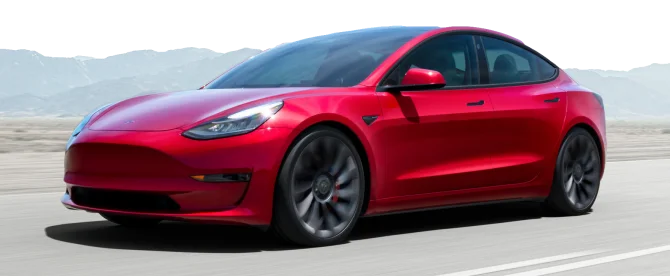
We're here to make sure you get the most comprehensive EV protection. That's why we've partnered with Xcelerate Auto to offer you transparent and dependable Tesla coverage.
Want us to contact you about XCare coverage for your Tesla?

Your protection is our top priority. Your quote is in progress and you will
receive a confirmation
email shortly.

Speak with a vehicle protection plan specialist and get $300 off any new contract instantly.
Spooky Savings: $300 off + FREE Elite Benefits for 1 year!
By clicking the button, you consent to Endurance using automated technology to call, email, and text you using the contact info above, including your wireless number, if provided, regarding auto protection or, in California, mechanical breakdown insurance. You also agree to the Endurance Privacy Policy and Terms and Conditions. Consent is not a condition of purchase, and you can withdraw consent at any time. Message and data rates may apply.
Speak with a vehicle protection plan specialist and get $300 off any new contract instantly.
Call 866-678-4172
or scan the code below

Simply fill out the information below and we will follow up fast with your free no-obligation quote.
By clicking the button, you consent to Endurance using automated technology to call, email, and text you using the contact info above, including your wireless number, if provided, regarding auto protection or, in California, mechanical breakdown insurance. You also agree to the Endurance Privacy Policy and Terms and Conditions. Consent is not a condition of purchase, and you can withdraw consent at any time. Message and data rates may apply.

To speak to a vehicle protection plan specialist and get $300 off any new contract instantly
Scan the code below


After more than 16 years as a technician and service advisor, Adam Karner transitioned to the auto protection industry in 2009. As a Product Manager for Endurance Dealer Services, he brings valuable hands-on experience. Read more about Adam.