

Get this deal! Call now.
Speak with a vehicle protection plan specialist and get $300 off any new contract instantly.
Call 866-678-4172
or scan the code below


When it comes to car warranties, you’d be forgiven for thinking that a “full warranty” sounds like the most comprehensive protection a car can have, and a “limited warranty” sounds like a watered-down alternative. However, that’s not how these labels work under federal law.
Under the Magnuson-Moss Warranty Act, “full” and “limited” are legal definitions for written consumer product warranties. This basically means they describe whether a warranty meets specific federal standards, not how many components it covers.
So while a new car warranty might be advertised as “bumper to bumper,” chances are it’s technically a limited warranty. Even if it covers plenty of vehicle parts, if it doesn’t meet all of the requirements for a “full warranty”, it isn’t one. Don’t judge protection by the words on the cover—make sure to read the terms, exclusions, time limits, mileage limits, and more.
In this Endurance guide, we’ll take a deeper look at the difference between full warranty vs limited warranty terminology, plus how an extended warranty or vehicle service contract compares to both.
Under Magnuson-Moss, there are certain federal standards a warranty must meet for it to be legally classed as a full warranty. The Federal Trade Commission (FTC) breaks them down into five main requirements:
To put it simply, a full warranty doesn’t mean it covers every part or problem. It might only apply to certain components for a limited period—the term describes how the warranty operates, rather than meaning unlimited coverage.
A limited warranty is essentially a warranty that doesn’t meet the criteria to be classed as a full warranty. “Limited” is therefore a legal category, not automatically a criticism of the coverage.
You can still have broad manufacturer protection with a limited warranty, paying for parts and labor for defects across plenty of systems. But it can be classed as limited because it restricts implied warranties, applies only to certain owners, excludes costs, imposes duties outside the full-warranty standard, or makes repair the primary remedy without promising the required refund-or-replacement choice.
As a result, the term “limited” should make you want to read through things in more detail, rather than causing any immediate concern. It tells you there are some boundaries within the contract, but they might not be out of the ordinary.
In other words, the limited designation doesn’t mean a warranty is bad. All it really confirms is that the promises within it don’t satisfy every federal full-warranty standard. You may find that the coverage breadth, duration, convenience, and overall value still meet your expectations.
When you buy a new car, you’ll see manufacturers using phrases like “New Vehicle Limited Warranty” and “Powertrain Limited Warranty.” For example, Hyundai labels its five-year/60,000-mile new-vehicle coverage and 10-year/100,000-mile original-owner powertrain coverage as limited.
Factory warranties are typically designated as limited because one or more of their terms don’t satisfy the federal requirements for a full warranty. Depending on the manufacturer and warranty, those terms may involve transferability, implied warranties, available remedies, owner responsibilities, or other limitations. The “limited” designation does not by itself indicate how many vehicle components are covered.
All of these factors mean the requirements for full coverage aren’t met, but that doesn’t mean the coverage is lacking. In fact, a new vehicle limited warranty can still provide broad protection against covered defects during the applicable warranty period.
Most drivers hear the term “bumper-to-bumper” and assume that means every single item between the rear and front bumpers is covered. But while it’s a useful marketing term, it doesn’t actually ring true. Factory warranties do have exclusions, like maintenance, wear items, damage, misuse, environmental effects, unauthorized alterations, and more. Terms will vary by manufacturer and vehicle, but they’re often very similar.
That makes the warranty booklet much more important for owners than whatever terms they’re using at the dealership. Before you take your car in for any repairs, you need to confirm:
Staying on top of maintenance is a big deal, too. Federal law generally prevents a manufacturer from requiring consumers to use branded parts or a specific service provider to maintain warranty coverage, unless the parts or services are provided free or the FTC grants a waiver. However, warranty coverage may be denied for damage the warrantor can demonstrate was caused by improper maintenance, repair, or an aftermarket part. Follow the manufacturer’s recommended maintenance schedule and keep receipts and service records documenting the work performed.
If you’re ever in a situation where you’re comparing car warranties, make sure to consider transferability too. Some coverage follows the vehicle, but others become shorter or disappear after ownership changes. Check the VIN, original in-service date, mileage, and manufacturer records instead of relying on the seller’s word.
A factory or manufacturer’s warranty is usually a stack of separate limited warranties.
The bumper-to-bumper or basic new-vehicle limited warranty is your broadest tier. It’s common for these to last three years or 36,000 miles, but some manufacturers can be more generous. Don’t let the nickname fool you, though, as exclusions still apply here.
Next, you have the powertrain limited warranty, which normally lasts longer but covers fewer systems. These focus on the listed parts within the engine, transmission, or transaxle, and drivetrain. Five years or 60,000 miles is a common duration, but coverage details and transfer rules can differ substantially.
Federal emissions warranties provide separate protection for certain emissions-related components. For many 1995 and newer light-duty vehicles, emissions-related parts generally receive two years or 24,000 miles of federal defect-warranty coverage, while specified major emissions-control components receive longer coverage.
Historically, those major components have included the catalytic converter, electronic emissions control unit or computer, and onboard diagnostic device or computer, generally for eight years or 80,000 miles. Federal requirements vary by model year and vehicle type, so owners should consult EPA guidance and their vehicle’s warranty information for the coverage that applies.
Vehicles may also include separate corrosion, restraint-system, hybrid, battery, accessory, replacement-part, or roadside-assistance provisions, each with its own clock and rules. Make sure to read through your warranty details thoroughly so you can be sure what you’re working with.
When your car’s factory coverage expires, a vehicle service contract (VSC) can really help to manage costs from unexpected component failure.
A VSC is not a full warranty or limited warranty in the federal sense. Magnuson-Moss defines this kind of service contract as a written agreement to perform maintenance or repair services over a fixed period or specified duration. The FTC distinguishes service contracts from warranties that automatically come with a product: service contracts are separate agreements that generally cost extra.
Although people often use “extended warranty” as shorthand, it isn’t accurate for this kind of coverage. Although people often use “extended warranty” as shorthand, a VSC is a separate contract rather than an extension of the manufacturer’s original warranty.
It has its own terms for covered components, deductibles, exclusions, duration, and claims procedures. Understanding exactly what your VSC covers requires thoroughly reading the contract, rather than just assuming it mirrors the factory warranty.
Whether reviewing a factory warranty, certified pre-owned warranty, or VSC, focus on what happens during a real breakdown.
The best place to start is covered components and exclusions. Stated component coverage identifies the components eligible for coverage, while exclusionary coverage generally defines coverage by identifying excluded components, conditions, causes of failure, or circumstances.
Next, identify the covered cause of failure. A contract may cover a mechanical breakdown but not routine wear, maintenance, pre-existing conditions, overheating caused by continued driving, collision damage, or failures caused by uncovered parts.
Then check how the provider will remedy things and the costs to you. Will they repair, replace, reimburse, or something else entirely? Is there a deductible per repair visit or per component? Are diagnosis, fluids, seals, taxes, teardown, towing, rental reimbursement, and labor-rate differences addressed clearly?
Finally, confirm the duration, mileage, cancellation terms, transfer rules, administrator details, and benefits. A plan might look comprehensive at first glance, but it can operate very differently once these are applied.
The full warranty vs limited warranty distinction is useful, but it’s only the beginning of understanding your vehicle protection options. A limited factory warranty can still provide extensive protection, while the “full” designation does not mean that every component or type of failure is covered.
A vehicle service contract from a provider like Endurance can help with eligible repairs after your factory protection expires, but it is a separate contract with its own promises and responsibilities.
If you’re interested in added vehicle protection, you’re in the right place. Simply contact an Endurance plan advisor at (800) 253-8203 or request a FREE quote today. You can also see your price and plan recommendations through our convenient online store
You can also check out our Learning Center blog for more useful articles just like this one.




We've received your vehicle information and will contact you shortly with your quote.
— OR —
Start shopping for a coverage plan now.


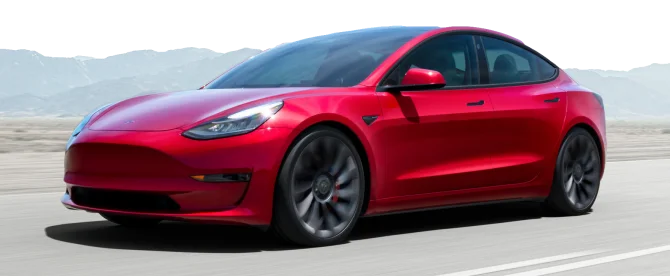
We're here to make sure you get the most comprehensive EV protection. That's why we've partnered with Xcelerate Auto to offer you transparent and dependable Tesla coverage.
Want us to contact you about XCare coverage for your Tesla?

Your protection is our top priority. Your quote is in progress and you will
receive a confirmation
email shortly.

Speak with a vehicle protection plan specialist and get $300 off any new contract instantly.
$300 off + FREE Elite Benefits for 1 year!
By clicking the button, you consent to Endurance using automated technology to call, email, and text you using the contact info above, including your wireless number, if provided, regarding auto protection or, in California, mechanical breakdown insurance. You also agree to the Endurance Privacy Policy and Terms and Conditions. Consent is not a condition of purchase, and you can withdraw consent at any time. Message and data rates may apply.
Speak with a vehicle protection plan specialist and get $300 off any new contract instantly.
Call 866-678-4172
or scan the code below

Simply fill out the information below and we will follow up fast with your free no-obligation quote.
By clicking the button, you consent to Endurance using automated technology to call, email, and text you using the contact info above, including your wireless number, if provided, regarding auto protection or, in California, mechanical breakdown insurance. You also agree to the Endurance Privacy Policy and Terms and Conditions. Consent is not a condition of purchase, and you can withdraw consent at any time. Message and data rates may apply.

To speak to a vehicle protection plan specialist and get $300 off any new contract instantly
Scan the code below


Alex has worked in the automotive service industry for over 20 years. After graduating from one of the country’s top technical schools, he worked as a technician achieving a Master Technician certification. He also has experience as a service advisor and service manager. Read more about Alex.