

Get this deal! Call now.
Speak with a vehicle protection plan specialist and get $300 off any new contract instantly.
Call 866-678-4172
or scan the code below

Since debuting in the U.S. in 1968, Subaru has built a reputation for offering capable, all-wheel-drive vehicles that excel in challenging conditions. From the rugged Outback to the sporty WRX, this guide covers everything you need to know about owning and protecting a Subaru.
New Subaru vehicles come with a 3-year/36,000-mile bumper-to-bumper warranty that covers manufacturing defects. There’s also a powertrain warranty for 5 years/60,000 miles. However, the average American drives over 13,000 miles per year, so it’s likely your factory warranty will run out due to mileage, not time. Subaru owners looking for protection after their original warranty expires can opt for third-party coverage from Endurance Warranty.
Drivers who choose an Endurance plan can customize anything from an essential powertrain plan that safeguards your engine, transmission, and drive axles, to an exclusionary program that’s most similar to the manufacturer’s warranty that accompanies a new car. Every Endurance contract includes 24/7 roadside assistance, rental car reimbursement, and trip interruption protection. This coverage also enables owners to use any licensed repair facility, including a Subaru dealership, for covered repairs.
Compare Subaru warranty options:
Subaru’s reliability record has improved significantly in recent years. Consumer Reports ranked Subaru as the top overall automotive brand in its 2024 Brand Report Card, scoring highly for predicted reliability, safety, and owner satisfaction. However, J.D. Power’s Vehicle Dependability Studies show that while Subaru performs well in quality ratings, the broader industry has faced reliability challenges with modern vehicle technology.
Subaru’s reliability improvements stem from addressing historical issues like the infamous head gasket problems that affected older 2.5L naturally aspirated boxer engines, primarily in models built from 1999 to 2011. Modern Subarus (including 2024-2025 models) use improved multi-layer steel gaskets that have largely eliminated this defect.
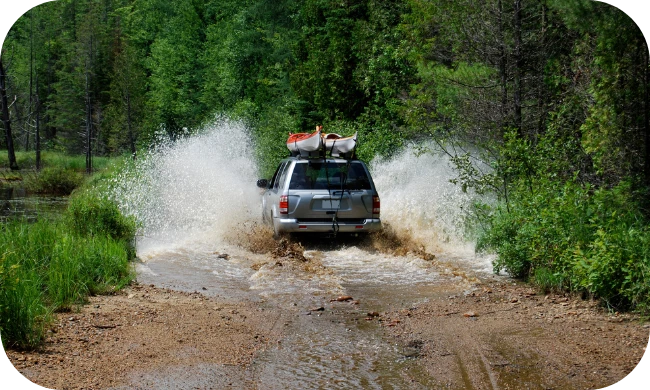
The brand’s signature boxer engine design and all-wheel-drive system contribute to its reputation for durability in challenging conditions. Subaru models like the Outback, Forester, and Crosstrek consistently receive high marks for their ability to handle rough terrain and inclement weather.
However, some concerns remain with continuously variable transmissions (CVT) used in many Subaru models. While offering improved fuel efficiency, CVTs can experience issues like shuddering and premature wear, though these problems are less systemic than the historical head gasket issues.
Subarus have an average yearly maintenance expense of $617, which is slightly below the industry average of $652 but higher than other Japanese brands like Toyota ($441), Honda ($428), and Nissan ($500). This premium is largely due to the complexity of Subaru’s all-wheel-drive system and boxer engine design.*
Subaru’s higher maintenance costs stem from several factors. The all-wheel-drive system requires all four tires to be replaced simultaneously when they wear out, and the boxer engine design makes some service tasks (like spark plug replacement) more labor-intensive due to engine layout.
Model-specific maintenance costs vary significantly. The Subaru Trax has yearly upkeep expenses of around $492, while the Outback costs about $606 annually. More complex vehicles like the Ascent SUV come with increased ownership costs, typically around $679 per year.
Routine maintenance intervals occur at 15,000, 30,000, 60,000, and 90,000 miles, with typical service costs ranging from $150-$350 depending on the service and local labor rates. Services include oil changes (~$88-$135), tire rotations, and filter replacements.*
Understand Subaru ownership costs:
While modern Subarus have addressed many historical reliability issues, owners should still be aware of common problem areas. The all-wheel-drive system and boxer engine design can lead to unique repair scenarios that may be more expensive than comparable repairs on other vehicles.
Common Subaru repairs include wheel bearing replacements ($350-$500), catalytic converter issues ($1,200-$1,800), and transmission problems ($3,000-$8,000). The boxer engine’s horizontal layout can make some repairs more labor-intensive, increasing costs.
Historical head gasket issues primarily affected older models (1996-2004) with 2.5L engines. Modern Subarus use improved gasket materials that have largely eliminated this problem. However, owners of older models should be aware of potential coolant and oil leakage issues.
Owners of 2019–2021 Foresters, Crosstreks, Legacys, and Outbacks should also be aware of thermo control valve (TCV) failures, which can trigger limp mode and disable EyeSight safety features. Subaru has extended the TCV warranty to 15 years or 150,000 miles, but replacement costs run $1,500–$1,700 for owners outside that coverage window.
CVT transmission concerns persist in some models, with symptoms including hesitation, shuddering, and slipping during acceleration. While not as widespread as historical issues, these problems can be expensive to repair and may require transmission replacement.
Find out what repairs Subarus often need:
*Repair prices are estimates from RepairPal and may vary by model, year, location, and repair shop. Always confirm current costs with your service provider or dealership.

We've received your vehicle information and will contact you shortly with your quote.
— OR —
Start shopping for a coverage plan now.


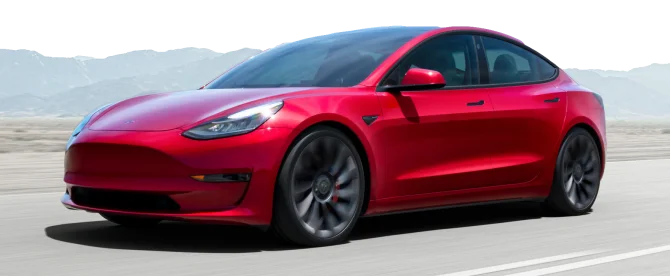
We're here to make sure you get the most comprehensive EV protection. That's why we've partnered with Xcelerate Auto to offer you transparent and dependable Tesla coverage.
Want us to contact you about XCare coverage for your Tesla?

Your protection is our top priority. Your quote is in progress and you will
receive a confirmation
email shortly.

Speak with a vehicle protection plan specialist and get $300 off any new contract instantly.
$300 off + FREE Elite Benefits for 1 year!
By clicking the button, you consent to Endurance using automated technology to call, email, and text you using the contact info above, including your wireless number, if provided, regarding auto protection or, in California, mechanical breakdown insurance. You also agree to the Endurance Privacy Policy and Terms and Conditions. Consent is not a condition of purchase, and you can withdraw consent at any time. Message and data rates may apply.
Speak with a vehicle protection plan specialist and get $300 off any new contract instantly.
Call 866-678-4172
or scan the code below

Simply fill out the information below and we will follow up fast with your free no-obligation quote.
By clicking the button, you consent to Endurance using automated technology to call, email, and text you using the contact info above, including your wireless number, if provided, regarding auto protection or, in California, mechanical breakdown insurance. You also agree to the Endurance Privacy Policy and Terms and Conditions. Consent is not a condition of purchase, and you can withdraw consent at any time. Message and data rates may apply.

To speak to a vehicle protection plan specialist and get $300 off any new contract instantly
Scan the code below


