

Get this deal! Call now.
Speak with a vehicle protection plan specialist and get $300 off any new contract instantly.
Call 866-678-4172
or scan the code below


Owners of 2019–2021 Subaru Foresters have likely encountered online warnings about thermo control valve (TCV) issues, and for good reason. This generation, as well as the Crosstrek, Legacy, and Outback models from the same production years, introduced an electronic coolant flow control system that has been linked to failures capable of putting the vehicle into limp mode, triggering check engine lights, and resulting in repair bills of $1,500 to $1,700 or more.
Subaru addressed the issue through a technical service bulletin in September 2024, extending the TCV warranty to 15 years or 150,000 miles. But for owners outside that window, or those considering a used Forester, understanding the most common failure points and repair costs is worth doing before something goes wrong.
Save time crawling through forums. This guide covers the most common failures, repair costs, and how an extended auto warranty can help protect your vehicle and wallet.
According to RepairPal data, Subaru vehicles have an above-average reliability score, which explains why people who drive them have such a strong sense of brand loyalty. Forester buyers are often the kind of people who keep their cars for a long time and take pride in staying on top of routine maintenance, like replacing spark plugs. On top of all that, Subaru vehicles also tend to hold their value, which is great until you buy one used and inherit a problem that’s outside of the usual mileage milestone wear and tear.
The thing is, Subaru isn’t just an “Adventure” brand anymore. Like any vehicle manufacturer, it’s doing its best to keep up with technology, which means reliability issues are becoming more than just a blown gasket. They’re more complex—like a sensor reading that drifts out of range, a valve that sticks, or a control circuit that doesn’t like moisture.
To improve emissions and efficiency, the brand developed tighter temperature management, which brought more electrical components into the cooling system. This is fine when things are working smoothly, but if anything goes wrong, diagnosis isn’t as intuitive as swapping a thermostat.
That’s why owners of modern Subaru Foresters can find themselves caught in a mix of loyalty and frustration. They still love a lot about their vehicles, but it’s far from ideal that something as small as a control valve can get in the way of everyday driving. It’s not that the Forester suddenly became unreliable, but the failure points have changed, and some of them are costlier than many owners expect.
There are a few common failures 2019-2021 Subaru Forester owners should be aware of so that they can be prepared. To quickly go over each:
A problem so significant that a service bulletin was issued by the brand, thermo control valve failure signs include:
If the valve sticks or the electrical system fails, coolant flow is disrupted, which can trigger overheating warnings or cause the engine control module to limit output. It’s not a quick fix either, because the valve is so deep within the cooling circuit and requires a lot of labor to get to.
Thankfully, Subaru addressed this issue with later-year models. Starting in mid-2021, Subaru introduced a redesigned TCV part with improved sealing and durability, which carried through the 2022–2024 model years.
For the 2025 Forester, parts databases and mechanic reports indicate that Subaru has transitioned at least some trims to a traditional mechanical thermostat, moving away from the electronic TCV design. While the updated TCV part still appears in catalogs for certain 2025 configurations, the shift signals Subaru’s recognition that the original electronic design had fundamental reliability issues.”
Another common complaint from Forester owners is premature battery failure (or parasitic drain concerns). Today’s vehicles rely on constant background communication between modules, and if anything doesn’t enter sleep mode properly, it can slowly discharge the battery. It might not be so expensive to replace the battery, but it’s the repeated diagnostics and module testing that can raise repair costs to figures most drivers aren’t prepared for.
Windshield cracking is also reported by a number of owners, which some attribute to the thinner glass designs aimed at improving fuel efficiency and visibility. While some vehicles seem to be fine, those unfortunate enough to be affected can find themselves having to replace the entire windshield. This can cost several hundred dollars, especially when advanced driver assistance systems require recalibration after the fact.
While some Subaru Forester owners will be covered by factory warranties and extensions for specific repairs, it’s important to understand potential costs for the future. Independent estimating tools and dealership data show that the TCV part itself typically costs $300–$500, but with approximately 5 hours of labor, total repair costs commonly reach $1,500 to $1,700 at a dealership.
According to the Bureau of Labor Statistics, the cost of motor vehicle maintenance and repair has increased by over 33% since 2021. Combined with technician shortages and rising parts prices, even modest component failures are becoming four-figure expenses.
If you look online, you’ll probably find that estimated annual maintenance costs for the Forester remain reasonably competitive in the SUV segment. But those figures don’t take into account those one-off electronic component failures, like a TCV replacement. One unexpected repair can wipe out years of predictable maintenance savings, just like that.
It also helps to remember that the TCV isn’t the only pricey repair you might encounter as a Forester owner, especially if you plan on driving it for a long time. Radiator replacement, CVT transmission issues, suspension work, axle issues, and electronic module failures are all major repairs that can hit four figures depending on mileage and region. Of course, these aren’t guaranteed to happen, but are additional repairs that owners may encounter depending on mileage, maintenance history, and vehicle condition.
This is why it’s important to budget and have a clear strategy for doing so. Paying for the odd repair out of your own pocket wasn’t too bad years ago, when most components were mechanical and much cheaper. But when it comes to modern vehicles packed with electronic valves, control modules, and sensors, even a single repair bill can far exceed what the majority of drivers have set aside in their emergency fund.
In the market for a Subaru Forester? Which model years should you look for? Here are some rules of thumb:
Any 2019-2021 Subaru Forester models that haven’t had their thermo control valve replaced as per the service schedule should be carefully evaluated before purchase. Don’t panic if you already own one, but make sure to become familiar with the symptoms, keep service records, and schedule a visit to a dealership ASAP.
The 2014 and 2015 model years also have their fair share of complaints from owners. Oil changes figure high on the list. Both model years appear to consume oil excessively, with many drivers claiming that they have to top up a quart every thousand miles. There was also a recall put out for 2015 Forester 2.0XT vehicles, because cracks in the turbocharger intake duct could cause the engine to stall.
Starting with the 2022 model, Subaru addressed a lot of the issues, implementing an updated valve design and refining the cooling system. Looking at complaints logged on CarComplaints, you can see a sharp drop-off here that continues up until the most recent model. Like any vehicle, they aren’t immune to repairs, but that problematic TCV weak point isn’t likely to affect them.
If you’re buying one used, a pre-purchase inspection is definitely still worth it. As well as checking basics such as brake fluid, pads, and rotors, you can ask the auto shop to scan for any stored codes, check the cooling system is in working order, and confirm any automotive warranty extension eligibility or prior replacement paperwork. Having that documentation is the difference between peace of mind and unpleasant surprises.
Factory warranties are great while they’re active, but they don’t last forever. Powertrain warranties are a major benefit for those more expensive repairs, but they aren’t always designed to cover every high-tech component.
The thermo control valve is in a gray zone for a lot of shoppers because it’s part of cooling control and interacts with engine management. Subaru’s warranty extension shows that they treated it as a significant customer satisfaction issue. However, outside of those coverage windows, owners are responsible for the full repair cost.
It’s in these gaps that an extended auto warranty (also known as a vehicle service contract) can improve the outlook. If you want broader protection for electronic sensors and valves, some providers offer plans with broader component coverage. Typically, you’ll need to opt for exclusionary coverage tiers, but the option is certainly there, and it may help reduce unexpected repair costs for covered repairs.
Included on USA Today’s 2026 “Most Trusted Brands” list, Endurance offers multiple coverage tiers ranging from a more basic powertrain to fully comprehensive and even ones covering maintenance items. Supreme is our top-tier plan, with plenty of others that can be matched to your budget and needs. The right fit depends on how long you plan to keep the Forester, and how well you stay on top of regular maintenance and stick to the recommended service intervals.
The Subaru Forester is still a popular choice for a number of good reasons, including safety ratings, cargo space, and standard all-wheel drive. But unfortunately for owners of 2019-2021 models, a common pain point in the thermo control valve can lead to significant issues. Failure can ultimately trigger limp mode, leading to repair costs that feel out of character for a compact SUV.
Thankfully, Subaru has taken measures to rectify the problem in affected vehicles and introduced an updated part for more recent model years. If you own a 2019-2021 model, keeping an eye out for symptoms and investing in a quality extended auto warranty can go a long way.
Find out more about Endurance auto protection by calling (800) 253-8203 for a FREE quote, or shop our online store to see plan recommendations and pricing right away.
For other useful articles on Subaru models, as well as Toyota, Honda, and more, head on over to our extended warranty blog.

We've received your vehicle information and will contact you shortly with your quote.
— OR —
Start shopping for a coverage plan now.


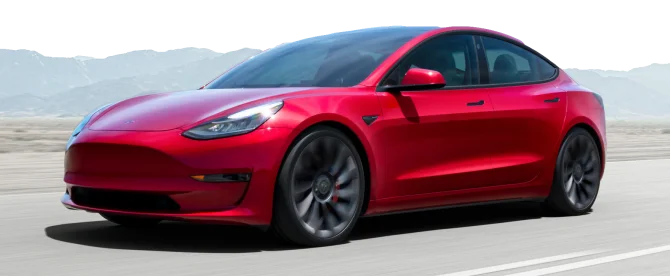
We're here to make sure you get the most comprehensive EV protection. That's why we've partnered with Xcelerate Auto to offer you transparent and dependable Tesla coverage.
Want us to contact you about XCare coverage for your Tesla?

Your protection is our top priority. Your quote is in progress and you will
receive a confirmation
email shortly.

Speak with a vehicle protection plan specialist and get $300 off any new contract instantly.
$300 off + FREE Elite Benefits for 1 year!
By clicking the button, you consent to Endurance using automated technology to call, email, and text you using the contact info above, including your wireless number, if provided, regarding auto protection or, in California, mechanical breakdown insurance. You also agree to the Endurance Privacy Policy and Terms and Conditions. Consent is not a condition of purchase, and you can withdraw consent at any time. Message and data rates may apply.
Speak with a vehicle protection plan specialist and get $300 off any new contract instantly.
Call 866-678-4172
or scan the code below

Simply fill out the information below and we will follow up fast with your free no-obligation quote.
By clicking the button, you consent to Endurance using automated technology to call, email, and text you using the contact info above, including your wireless number, if provided, regarding auto protection or, in California, mechanical breakdown insurance. You also agree to the Endurance Privacy Policy and Terms and Conditions. Consent is not a condition of purchase, and you can withdraw consent at any time. Message and data rates may apply.

To speak to a vehicle protection plan specialist and get $300 off any new contract instantly
Scan the code below


Since the age of 16, Keith has been immersed in the automotive industry, beginning his career by helping his dad fix vehicles at a young age. Keith now owns his own family-run, ASE Certified repair shop, A+ Autocare. At his shop, he focuses on building trusting relationships with his community through exceptional customer service. Read more about Keith.