

¡Consigue esta oferta! Llama ahora.
Hable con un especialista en planes de protección de vehículos y obtenga $300 apagado cualquier nuevo contrato al instante.
Llamar 866-678-4172
o escanea el código a continuación

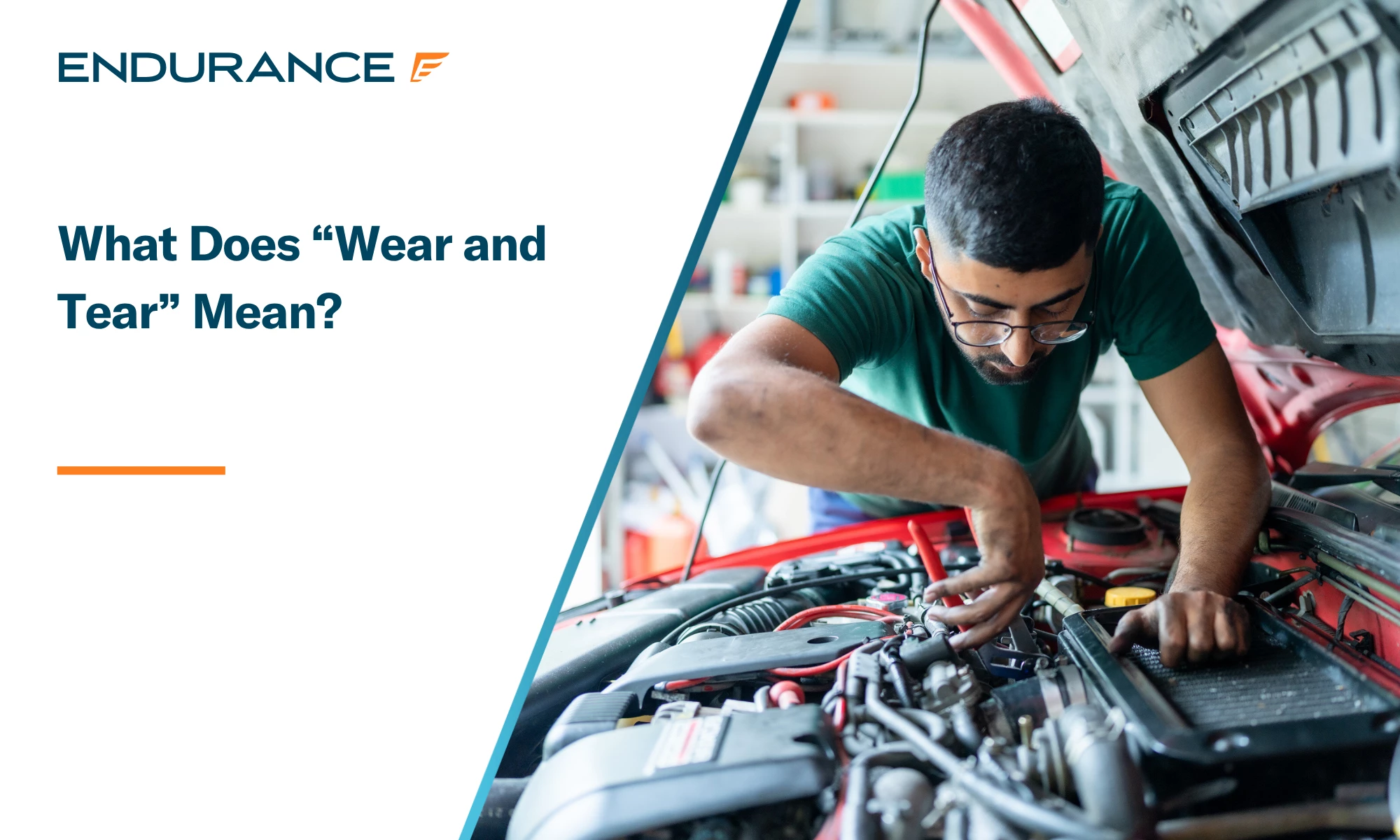
A denegación de reclamación El “desgaste normal” es una de las experiencias más frustrantes. garantía extendida o contrato de servicio del vehículo El titular puede enfrentarse a una de las fuentes más comunes de confusión sobre lo que realmente implica la cobertura extendida.
El desgaste se refiere a la degradación gradual de un componente de su vehículo a través del uso diario. Es fundamentalmente diferente de una avería mecánica, que es la falla repentina e inesperada de una pieza que debería estar funcionando normalmente. Entender esa distinción y saber cómo leer la exclusiones en su contrato Puede ayudarte a evitar sorpresas cuando más importa.
Poner simplemente, desgaste se refiere a la degradación gradual de un componente debajo del capó a través del uso normal, Uso cotidiano. Se trata del deterioro lento y predecible que ocurre naturalmente porque una pieza existe y sigue cumpliendo su función. Esto es fundamentalmente diferente de una avería mecánica, que es la falla repentina e inesperada de una pieza que debería funcionar con normalidad.
Un contrato de servicio para vehículos o una garantía extendida para automóviles está diseñado para cubrir las averías mecánicas inesperadas que ocurren después de que expire la garantía del fabricante. Sin embargo, no están diseñados para reemplazar el mantenimiento rutinario ni compensar el desgaste natural de una pieza tras años de uso normal. Por ejemplo, con el uso, las pastillas de freno se desgastan naturalmente con el tiempo y eventualmente necesitan ser reemplazadas. Esto es normal y, por lo general, no está cubierto por la garantía.
Por otro lado, si la pinza de freno falla repentinamente en la carretera cuando su vehículo es relativamente nuevo, es muy posible que... ser una avería mecánica adecuada Un VSC (Centro de Soporte Voluntario) podría ayudar en este tipo de situaciones. La diferencia radica en que se trata de un fallo inesperado. Para este tipo de incidentes se diseña un VSC.
La mejor manera de comprender la diferencia entre el desgaste normal y la avería de las piezas cubiertas es analizar componentes específicos. A continuación, se presentan algunos ejemplos prácticos de cómo se suele aplicar esta distinción en las reparaciones cubiertas:
Una correa serpentina que se estira y se desgasta tras recorrer decenas de miles de kilómetros se considera desgaste normal. Es un componente consumible con una vida útil predecible. Sin embargo, si la polea tensora, encargada de mantener la correa serpentina en su lugar, se atasca o falla mecánicamente, podría tener derecho a una indemnización. Muchos contratos de servicio de vehículos (VSC) completos pueden cubrir componentes como el mecanismo de la polea, pero excluir elementos como la correa serpentina, según lo estipulado en el contrato.
Los neumáticos serán se desgastan naturalmente con el tiempo Tras un contacto constante con el suelo, de hecho, es su función. El desgaste de la banda de rodadura suele quedar excluido como consumible en muchos contratos de servicio de vehículos. Sin embargo, si un brazo de control, una rótula o un amortiguador fallan mecánicamente, la situación cambia. Algunos planes de protección o garantías extendidas pueden incluir cobertura para ciertos componentes de la suspensión, según los términos específicos del contrato.
Una batería que pierde carga gradualmente con el uso normal se considera desgaste por uso. Por lo tanto, es un problema esperado y, en consecuencia, no está cubierto por la garantía. Un alternador, cuya función es cargar la batería mientras se conduce, y que deja de funcionar debido a una falla mecánica interna, puede considerarse una avería cubierta por algunos planes de cobertura extendida.
Las escobillas limpiaparabrisas son un elemento de mantenimiento rutinario que necesitan ser reemplazados a intervalos predecibles, como estacionalmente. Esta depreciación normal se considera un costo de mantenimiento estándar y no estaría cubierta. Un motor de limpiaparabrisas averiado, responsable de accionar las escobillas, debido a una falla mecánica interna, podría estar cubierto por ciertos planes de nivel medio o integral.
Cuando revise su contrato de servicio del vehículo, vaya primero a la sección de exclusiones. Aquí es donde se encuentran las exclusiones. Lenguaje de desgaste para su plan vivirá. A menudo es incluso más revelador que el propio resumen de la cobertura. Aquí hay cuatro términos clave a los que prestar atención:
Si observa alguno de los términos anteriores sin definiciones claras o una lista específica de a qué se aplican, podría ser una señal de alerta. Por lo tanto, antes de firmar nada, asegúrese de Las exclusiones en su plan son específicas, se define la terminología y usted comprende exactamente qué categorías de componentes abarcan realmente esas exclusiones.
Invertir en un plan de protección vehicular puede ayudar a gestionar ciertos costos de reparación inesperados y brindar mayor tranquilidad. Sin embargo, no conviene esperar a que se rechace un reclamo para empezar a hacer preguntas. A continuación, se presentan algunas Preguntas prácticas para hacer en una lista de verificación en cualquier conversación inicial con un proveedor:
Las respuestas a las preguntas anteriores te ayudarán a comprender mejor cómo opera realmente un proveedor o concesionario, más allá de lo que aparece en sus folletos. También te recomendamos consultar la sección de preguntas frecuentes (FAQ) en el sitio web del proveedor, ya que muchas incluyen información relevante.
En Endurance, el desgaste se define dentro de cada contrato, con detalles descritos para ayudar a aclarar cómo se aplica la cobertura. Una de las ventajas estructurales de elegir un plan Endurance Warranty Como proveedor de confianza, se utiliza el modelo de administrador directo.
Endurance funciona como vendedor y administrador de nuestros contratos, Esto significa que Endurance gestiona la mayoría de sus propios contratos, en lugar de depender de administradores de reclamaciones externos.
Esto es importante en situaciones límite. Cuando un componente se encuentra en una zona gris entre avería y deterioro, el resultado de la reclamación se determina en función de los términos del contrato y la causa documentada de la avería.
Si está evaluando un plan Endurance y desea comprender cómo se gestionarían componentes o escenarios específicos, puede conversar sobre ello antes de comprometerse con un plan. Revisión del contrato Se recomienda hablar con un representante de Endurance, no después de presentar una reclamación, sino antes de firmar el contrato.
El desgaste no es un truco para confundirte, pero puede parecerlo si lo encuentras por primera vez en una carta de denegación. La exclusión existe por una razón legítima., ya que los VSC están diseñados para cubrir fallas mecánicas inesperadas, no el inevitable envejecimiento de las piezas que Mantenimiento regular direcciones. Sin embargo, si su proveedor de garantía nunca aclaró cuáles eran estas exclusiones o si existían, es comprensible sentirse frustrado.
Las experiencias con las reclamaciones pueden variar, y comprender los términos del contrato con antelación puede ayudar a reducir posibles disputas. Lea atentamente todas las exclusiones y haga preguntas importantes desde el principio. Elija siempre un proveedor cuyo proceso de reclamaciones sea lo suficientemente transparente como para brindarle respuestas claras antes de que surja algún problema.
Si estás listo para explore un plan de protección para automóviles Con Endurance, contacte con uno de nuestros representantes en (800) 253-8203 o Solicite una cotización GRATIS. Tú también puedes Compra rápidamente en nuestra tienda online. Para ver de inmediato su precio y recomendación de plan.

Hemos recibido la información de su vehículo y nos comunicaremos con usted en breve con su cotización.
- O -
Comience a buscar un plan de cobertura ahora.


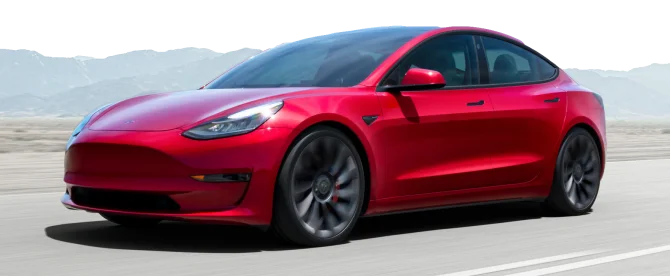
Estamos aquí para asegurarnos de que obtenga la protección EV más completa. Por eso nos hemos asociado con Xcelerate automático para ofrecerle una cobertura Tesla transparente y confiable.
¿Quiere que nos comuniquemos con usted acerca de la cobertura XCare para su Tesla?

Su protección es nuestra principal prioridad. Su cotización está en proceso y usted
recibirá un correo electrónico de confirmación en breve.

Hable con un especialista en planes de protección de vehículos y obtenga $300 de descuento en cualquier contrato nuevo al instante.
¡$300 de descuento + Beneficios Elite GRATIS durante 1 año!
Al hacer clic en el botón, acepta que Endurance utilice tecnología automatizada para llamarlo, enviarle un correo electrónico y enviarle mensajes de texto utilizando la información de contacto anterior, incluido su número de teléfono móvil, si se proporciona, con respecto a la protección del automóvil o, en California, el seguro contra averías mecánicas. También acepta el Endurance política de privacidad y Términos y condiciones. El consentimiento no es una condición de compra y puede retirar el consentimiento en cualquier momento. Se pueden aplicar tarifas por mensajes y datos.
Hable con un especialista en planes de protección de vehículos y obtenga $300 apagado cualquier nuevo contrato al instante.
Llamar 866-678-4172
o escanea el código a continuación

Simplemente complete la información a continuación y le daremos seguimiento rápidamente con su cotización gratuita y sin compromiso.
Al hacer clic en el botón, acepta que Endurance utilice tecnología automatizada para llamarlo, enviarle un correo electrónico y enviarle mensajes de texto utilizando la información de contacto anterior, incluido su número de teléfono móvil, si se proporciona, con respecto a la protección del automóvil o, en California, el seguro contra averías mecánicas. También acepta el Endurance política de privacidad y Términos y condiciones. El consentimiento no es una condición de compra y puede retirar el consentimiento en cualquier momento. Se pueden aplicar tarifas por mensajes y datos.

Para hablar con un especialista en planes de protección de vehículos y obtener $300 Cancelar cualquier nuevo contrato al instante
Escanee el código a continuación


Después de más de 16 años como técnico y asesor de servicio, Adam Karner hizo la transición a la industria de la protección de automóviles en 2009. Como gerente de productos de Endurance Dealer Services, aporta una valiosa experiencia práctica. Leer más sobre Adán.