

Get this deal! Call now.
Speak with a vehicle protection plan specialist and get $300 off any new contract instantly.
Call 866-678-4172
or scan the code below

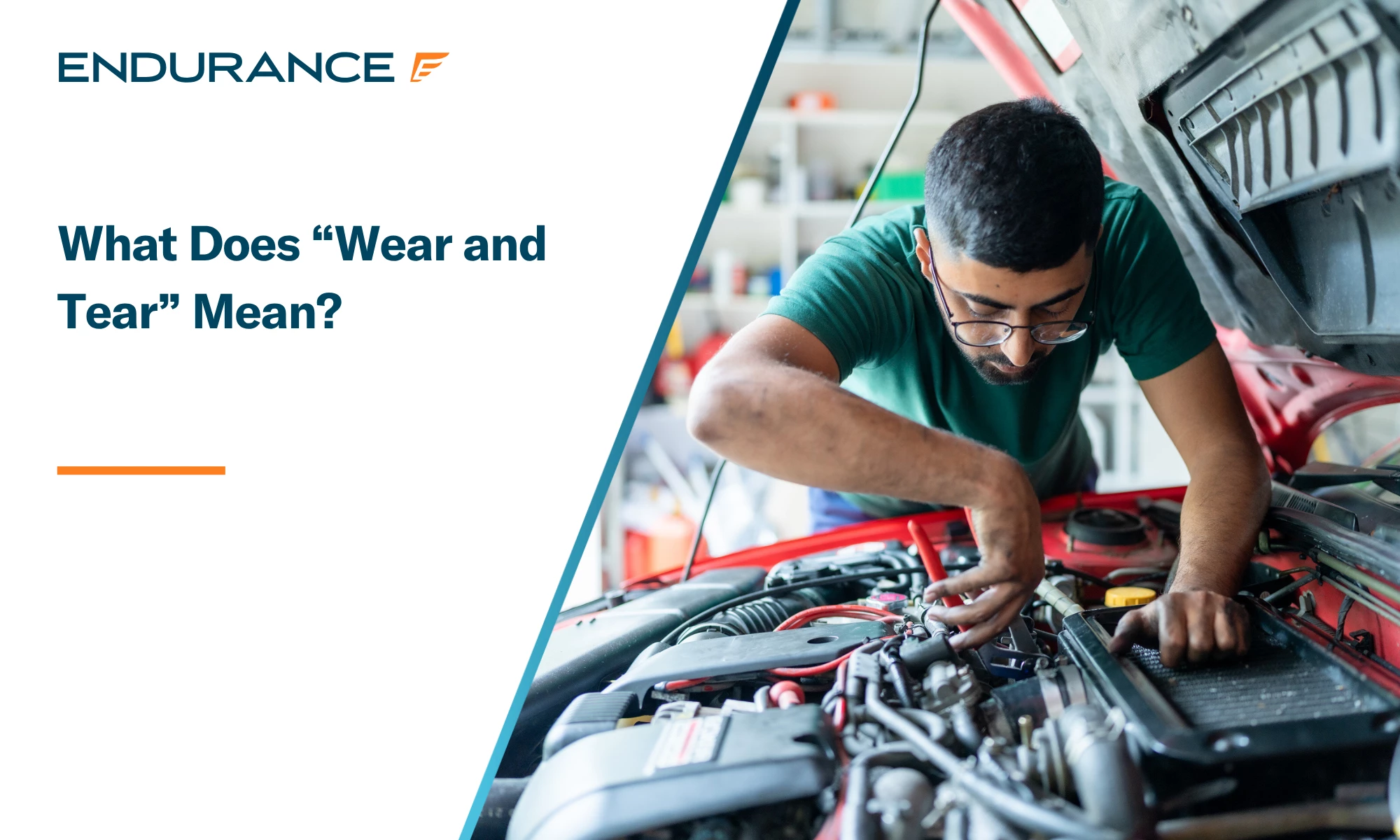
A claim denial for “normal wear and tear” is one of the most frustrating experiences an extended warranty or vehicle service contract holder can face, and one of the most common sources of confusion about what extended coverage actually does.
Wear and tear refers to the gradual degradation of a component of your vehicle through everyday use. It’s fundamentally different from a mechanical breakdown, which is the sudden, unexpected failure of a part that should be operating normally. Understanding that distinction and knowing how to read the exclusions in your contract can help you avoid surprises when it matters most.
Put simply, wear and tear refers to the gradual degradation of a component under the hood through normal, everyday use. It is the slow and predictable decline that naturally happens because a part exists and continues to do its job. This is fundamentally different from a mechanical breakdown, which is the sudden and unexpected failure of a part that should be operating normally.
A vehicle service contract or extended car warranty is designed to cover those unexpected mechanical breakdowns that occur after your manufacturer’s warranty has expired. They are not designed, however, to replace a maintenance routine or compensate for the natural breakdown of a part after years of standard use. For example, as you drive, your brake pads will naturally wear down over the years and eventually need replacing. This is expected and would typically be an excluded expense.
On the other hand, if your brake caliper suddenly fails on the road when your vehicle is relatively new, it may very well be a proper mechanical breakdown that a VSC would assist with. The difference is that it’s something that went wrong when it wasn’t supposed to. This is the exact type of event that a VSC is built for.
The best way to understand the boundary between wear and tear and a breakdown of covered parts is to look at specific components. Below are some real-world examples of how the distinction typically plays out for covered repairs:
A serpentine belt that stretches and wears out over tens of thousands of miles falls strictly under the definition of wear and tear. It is a consumable component that has a predictable lifespan. However, if the tensioner pulley, which is responsible for keeping the serpentine belt in place, seizes or fails mechanically, you may have a claim on your hands. Many comprehensive VSCs may cover components like the pulley mechanism, while excluding items such as the serpentine belt, depending on the contract.
Tires will naturally wear down over time after constant contact with the ground. In fact, it’s their job. Tread loss is commonly excluded as a consumable item under many VSCs. However, if a control arm, ball joint, or strut fails mechanically, it’s a different story. Some protection plans or extended warranties may include coverage for certain suspension components, depending on the specific contract terms.
A battery that gradually loses its charge over time via normal use is a deterioration qualified under wear-and-tear items. It is expected and excluded as a result. An alternator, which is meant to charge the battery as you drive, and which stops working due to an internal mechanical failure, may be considered a covered breakdown under some extended coverage plans.
Wiper blades are a routine maintenance item that need to be replaced at predictable intervals, such as seasonally. This normal depreciation falls under standard maintenance costs and wouldn’t be covered. A failed wiper motor, responsible for powering your blades, due to internal mechanical failure, may be covered under certain mid-level or comprehensive plans.
When you’re reviewing your vehicle service contract, flip to the exclusions section first. This is where the wear and tear language for your plan will live. It’s often even more revealing than the coverage summary itself. Here are four key terms to look out for:
If you notice any of the above terms without clear definitions or a specific list of what they apply to, it could be a red flag. So, before signing anything, make sure exclusions in your plan are specific, the terminology is defined, and that you understand exactly which component categories those exclusions actually capture.
Investing in a vehicle protection plan may help manage certain unexpected repair costs and provide added peace of mind. Yet you don’t want to wait for a denied claim to start asking questions. Below are a few practical checklist questions to ask in any initial conversation with a provider:
The answers to the above questions will help tell you a lot about how a provider or dealership actually operates, not just what they put in the brochures. You should also check any FAQs on the provider’s website, as many add relevant information.
At Endurance, wear and tear is defined within each contract, with details outlined to help clarify how coverage applies. One of the structural advantages of choosing an Endurance Warranty plan as your trusted provider is the direct administrator model utilized.
Endurance works as both seller and administrator of our contracts, meaning Endurance administers most of its own contracts, rather than relying on separate third-party claims administrators.
This matters in borderline scenarios. When a component falls into a gray area between breakdown and deterioration, claim outcomes are determined based on contract terms and the documented cause of failure.
If you’re evaluating an Endurance plan and want to understand how specific components or scenarios would be handled, that conversation is available before you commit to a plan. Reviewing the contract language with an Endurance representative, not after you file a claim but before you sign the contract, is encouraged.
Wear and tear isn’t a trick meant to confuse you, but it can feel like one if you encounter it for the first time in a denial letter. The exclusion exists for a legitimate reason, as VSCs are built to cover unexpected mechanical failures, not the inevitable aging of parts that regular maintenance addresses. However, if your warranty provider never made it clear what these exclusions were or if they existed, it’s justifiable to feel frustrated.
Claim experiences can vary, and understanding your contract terms in advance may help reduce potential disputes. Read all exclusions carefully and ask hard questions upfront. Always choose a provider whose claims process is transparent enough to give you real answers before something goes wrong.
If you’re ready to explore an auto protection plan with Endurance, contact one of our representatives at (800) 253-8203 or request a FREE quote. You can also quickly shop our online store to see your price and plan recommendation right away.


We've received your vehicle information and will contact you shortly with your quote.
— OR —
Start shopping for a coverage plan now.


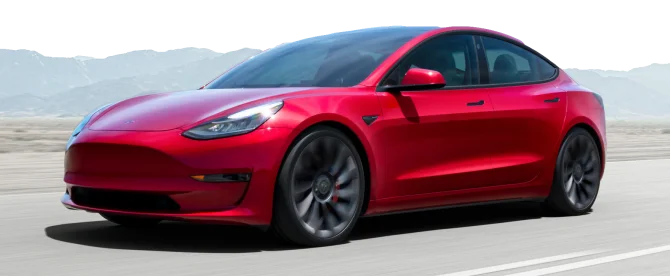
We're here to make sure you get the most comprehensive EV protection. That's why we've partnered with Xcelerate Auto to offer you transparent and dependable Tesla coverage.
Want us to contact you about XCare coverage for your Tesla?

Your protection is our top priority. Your quote is in progress and you will
receive a confirmation
email shortly.

Speak with a vehicle protection plan specialist and get $300 off any new contract instantly.
$300 off + FREE Elite Benefits for 1 year!
By clicking the button, you consent to Endurance using automated technology to call, email, and text you using the contact info above, including your wireless number, if provided, regarding auto protection or, in California, mechanical breakdown insurance. You also agree to the Endurance Privacy Policy and Terms and Conditions. Consent is not a condition of purchase, and you can withdraw consent at any time. Message and data rates may apply.
Speak with a vehicle protection plan specialist and get $300 off any new contract instantly.
Call 866-678-4172
or scan the code below
Simply fill out the information below and we will follow up fast with your free no-obligation quote.
By clicking the button, you consent to Endurance using automated technology to call, email, and text you using the contact info above, including your wireless number, if provided, regarding auto protection or, in California, mechanical breakdown insurance. You also agree to the Endurance Privacy Policy and Terms and Conditions. Consent is not a condition of purchase, and you can withdraw consent at any time. Message and data rates may apply.

To speak to a vehicle protection plan specialist and get $300 off any new contract instantly
Scan the code below


After more than 16 years as a technician and service advisor, Adam Karner transitioned to the auto protection industry in 2009. As a Product Manager for Endurance Dealer Services, he brings valuable hands-on experience. Read more about Adam.