

Get this deal! Call now.
Speak with a vehicle protection plan specialist and get $300 off any new contract instantly.
Call 866-678-4172
or scan the code below

Many of us own older vehicles, whether it’s because we have a passion for old car models or our budget just doesn’t allow a newer upgrade. But, at some point, that familiarity and loyalty we feel can turn into worry and dread about the next repair bill.
It’s an unfortunate truth, but when cars reach a certain age or mileage, a combination of wear-and-tear and how well they’ve been looked after (or not) means they may require more repairs and maintenance as they age and accumulate mileage.
So when your repair shop hands you an estimate in the thousands, it’s time to consider your options:
Buying and running a vehicle is one of the biggest expenditures for most people, so with these sorts of decisions, it’s best to leave your gut instinct out of them and instead weigh up the costs of your options.
Well, we’ve done some example math, so you don’t have to. Below, we’ll help guide you through the decision step by step.
If you’re leaning toward replacing an old vehicle, one option is to trade it in. Going down this path can make sense in certain circumstances and subsidize the cost of a new vehicle. Of course, whether it’s worth it or not comes down to one thing: how much can you get for it?
Dealers calculate the trade-in value by looking at prices in the current market, but the dealership is looking at wholesale prices rather than retail prices, so they’ll automatically be lower than those you’re used to seeing.
Trade-in price factors include:
So, when does it make sense to trade in your vehicle?
If you own the car outright, then it’s simply a matter of seeing what the trade-in value could give you to work with in terms of budget for your new vehicle, and weighing up their pros and cons, including their reliability credentials.
If you have outstanding motor finance payments on your vehicle, then you need to see if the trade-in value is higher than what you owe. If it exceeds the balance on your loan, you can use this equity to help fund your new car purchase.
When shouldn’t you trade in your car? Trading in your old car doesn’t make financial sense when the trade-in value is less than the loan payoff amount. You’d just be compounding the issue by rolling your negative equity into the new loan.
| Your car ownership status | Trade-in value | Does a trade-in make sense? |
| Own it outright | Gives you enough budget to buy a more reliable car | Yes |
| Own it outright | Doesn’t give you enough budget to buy a more reliable car | No |
| Car finance loan balance remaining | Is more than the loan balance | Yes |
| Car finance loan balance remaining | Is less than the loan balance | No |
If you want to replace your car but a trade-in doesn’t make sense for you, another option to consider is donating it to charity. There are several benefits of a car donation:
However, it’s important to note that donating a vehicle doesn’t automatically translate to a tax deduction for you. If the charity sells the vehicle, the deduction you’re eligible for will be limited to the actual sale price, rather than the Kelley Blue Book value.
If your vehicle has…
When you’re hit with a big repair bill, and your car is of a certain age, it’s always tempting to consider replacing it. But that’s not always the smart move and many car owners underestimate the total cost of a new car.
Let’s look at the two options head-to-head. We’ve assumed you’ve got a well-maintained used car that’s done somewhere around 70k to 120k miles:
ConsumerAffairs estimates an average annual repair and maintenance cost for cars at around $900/year. However, this figure can creep higher for older model years, higher mileage vehicles, and certain makes. Based on AAA’s 2025 Your Driving Costs study, the average maintenance cost is 11.04 cents per mile, putting the annual average cost for a car covering 15,000 miles per year at around $1,656.
But, if we’re pessimistic, let’s assume there’s a major unscheduled repair each year. Some of the most expensive repairs across different makes and models are:
So, if you were unlucky and had one major component require replacement once a year, on top of the expected average repair and maintenance bill, you’d be looking at $6,989 over the year, or $582/month.
Depending on repair frequency, replacement costs, financing terms, and vehicle condition, keeping an older vehicle may be more cost-effective in some situations. Ownership costs may be lower if the vehicle avoids major repairs for an extended period.
A used car warranty or vehicle service contract (VSC) may be one factor worth considering when you’re making the decision of whether to keep or replace your prized motor. A VSC is simply a coverage plan to help cover certain major repair costs. It works to keep your vehicle protected once your manufacturer’s warranty expires.
Imagine your BMW vehicle needs a head gasket replacement, and the repair bill is on the higher end of $4,500.
You pay: $4,500 repair bill for the head gasket replacement. (And that’s just for one major repair!)
At $150/month, you’d pay $4,500 in premiums after 30 months. Factor in a $100 deductible, and the cost of that single repair could exceed the premiums paid during that period.
Of course, this is just an example for one repair and estimated costs. You can compare all our auto protection plans in detail for your exact car and circumstances here.
Even if you have an older vehicle, with Endurance, you know you’ll have access to a range of coverage options and customer support resources. In fact, we were recently included in USA Today’s 2026 “Most Trusted Brands” list.
Our plans are designed to offer a range of coverage levels for your vehicle and budget, all with top-notch customer service. Our auto protection plans are flexible too, so you can speak to our friendly team, who will help tailor a package to your needs.
To learn more about available coverage options and to take advantage of our 30-day money-back guarantee, speak to an Endurance representative at (800) 253-8203. Alternatively, shop our online store to see your plan recommendations and compare prices now.
If you’d like to do some more research first, have a look at our extended warranty blog for comparisons of warranty plans and providers, plus much more.


We've received your vehicle information and will contact you shortly with your quote.
— OR —
Start shopping for a coverage plan now.


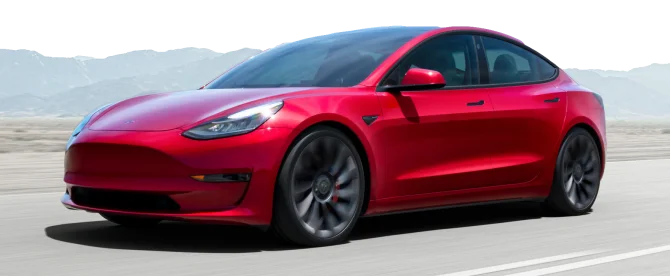
We're here to make sure you get the most comprehensive EV protection. That's why we've partnered with Xcelerate Auto to offer you transparent and dependable Tesla coverage.
Want us to contact you about XCare coverage for your Tesla?

Your protection is our top priority. Your quote is in progress and you will
receive a confirmation
email shortly.

Speak with a vehicle protection plan specialist and get $300 off any new contract instantly.
Spooky Savings: $300 off + FREE Elite Benefits for 1 year!
By clicking the button, you consent to Endurance using automated technology to call, email, and text you using the contact info above, including your wireless number, if provided, regarding auto protection or, in California, mechanical breakdown insurance. You also agree to the Endurance Privacy Policy and Terms and Conditions. Consent is not a condition of purchase, and you can withdraw consent at any time. Message and data rates may apply.
Speak with a vehicle protection plan specialist and get $300 off any new contract instantly.
Call 866-678-4172
or scan the code below

Simply fill out the information below and we will follow up fast with your free no-obligation quote.
By clicking the button, you consent to Endurance using automated technology to call, email, and text you using the contact info above, including your wireless number, if provided, regarding auto protection or, in California, mechanical breakdown insurance. You also agree to the Endurance Privacy Policy and Terms and Conditions. Consent is not a condition of purchase, and you can withdraw consent at any time. Message and data rates may apply.

To speak to a vehicle protection plan specialist and get $300 off any new contract instantly
Scan the code below


Chris has been covering the automotive industry and topics ranging from road trips to driverless car technology for around 10 years. His own preference is for retro 4x4s that will stand up to a muddy field in the country.